How to Foam Roll Legs: A Complete Guide for Better Recovery and Mobility
Stiffness and soreness in the muscles can affect your ability to exercise and move around. Whether you are an athlete, runner, gym addict or just a starter, recovery is a huge part of fitness. Foam rolling is one of the easiest recovery techniques that currently exists. By learning to foam roll legs properly, you can help decrease muscle tension, enhance mobility and help with faster post-exercise recovery.
The popularity of foam rolling is due to its accessibility, low cost, and effectiveness, as it can be done at home. It is commonly recommended by fitness professionals as a warm up or as a recovery exercise. Plus, foam rolling can help to increase flexibility and enhance muscle recovery from high-intensity workouts. Knowing the specific techniques and focusing on certain muscle areas can get the most out of this easy recovery tool.
What is Foam Rolling?
Understanding Self-Myofascial Release
Foam rolling is a self-myofascial release technique that involves pressing on muscles and connective tissue. The aim is to free up tension, enhance tissue quality and normalize movement patterns. While traditional stretching exercises aid in loosening the muscles, foam rolling works directly on the knots and areas of tension.
Many people use foam rollers to relieve soreness after workouts. Also, this technique can be used to promote circulation and prepare muscles for exercise. Foam rolling is easy to do and has become part of many fitness routines.
How Foam Rollers Work
The foam roller acts by exerting pressure on target muscles. Your body is being moved across the roller, which massages the muscles and surrounding fascia. This can help to alleviate tight spots and promote blood flow to the desired area. Improved circulation delivers oxygen and nutrients to the muscles more efficiently. This means recovery could get better, and muscle stiffness could get worse. Can also improve flexibility and movement quality with regular use.
Who Should Use a Foam Roller?
Foam rolling can be beneficial for nearly anyone. It’s a popular choice for athletes to use as a way to aid in recovery and performance. Legs are often foamed rolled by runners to alleviate tightness and increase mobility. Additionally, people who spend long hours sitting can use foam rolling to relieve muscle tension. From recovery, flexibility, and injury prevention, foam rolling can be a wonderful piece to your fitness toolbox.
Benefits of Foam Rolling Legs
Reduces Muscle Soreness
Foam rolling legs is one of the primary reasons for learning this technique and is done to decrease muscle soreness. When you work up a sweat, it can cause tiny tears in your muscle tissue that may cause pain and stiffness. Foam rolling will improve circulation to these areas and promote relaxation of tight muscles.
While foam rolling isn’t a cure for any pain, many people experience less pain after regular foam rolling. This can help it to be easier to keep active and get in training sessions.
Improves Blood Circulation
Muscle recovery and performance depends on having a healthy circulation. Foam rolling is a tool that can increase the circulation of blood in the targeted muscle groups. Improved blood flow enables more nutrients and oxygen to flow into the muscles. This means that recovery can take place more efficiently. With better circulation, you might experience less tightness after working out as well.
Increases Flexibility
Squeeze muscles can restrict the range of motion and decrease exercise function. Foam rolling can help to change the quality of the tissues and decrease restrictions inside the muscles. As a result, a greater range of motion and increased flexibility is experienced by many people. Foam rolling can work in conjunction with stretching and strength training and be a part of improving overall mobility and movement efficiency.
Enhances Athletic Performance
A healthy muscle is able to move more efficiently and produce more force. Foam rolling could be beneficial at enhancing the quality of movement while minimizing restrictions that hinder performance. Foam rolling can be part of an athlete’s warm-up or cool-down, as it promotes mobility and muscle function. As such, over time, better recovery and improved movement patterns can lead to improved performance in athletics.
Types of Foam Rollers
There are various types and densities of foam rollers. Smooth foam rollers offer a soothing massage and are great for first timers. The textured rollers apply more pressure, and target those areas more aggressively. Either of the two options may work, depending on your experience and recovery requirements. A softer roller is recommended for beginners, and can be followed by the firmer ones.
Choosing the Right Density
The density of the foam rollers will determine the degree of pressure applied to the muscles. Soft rollers offer less intensity and are usually easier on people new to rolling. Medium-density rollers provide a medium level of comfort and effectiveness. Firm rollers provide more pressure and might be better for more advanced athletes. The correct density will be determined by your levels of pain and recovery targets.
Foam Roller Length Recommendations
Foam rollers are available in a variety of lengths, from small travel models to full-sized ones. Longer rollers are more stable and versatile and are more suitable to most users. These are usually the smaller ones that will be easier to carry and store, but might need more balancing during use. The size will depend on what you need and how much space you have available. For most leg recovery plans, however, a normal full-length roller can be used.
General Guidelines Before Foam Rolling
It’s crucial to be familiar with a few basic guidelines before you start a foam rolling session. Take your time executing the movement, rather than rushing through it. Fast rolling may decrease effectiveness and be difficult to find tight areas. Locate a soft place and relax the muscle for a few moments. Do not hold your breath during the exercise; controlled breathing will help to lower tension. Also, do not roll directly on joints or bones. Take time to concentrate on the muscles themselves to make sure you’re having a safe and effective recovery session.
It is also important to be consistent. Foam rolling a few times a week usually yields better results than once a week. These guidelines can help you create a safe and effective recovery program that promotes long-term mobility and muscle health.
How to Foam Roll the Quadriceps
Step-by-Step Instructions
The quadriceps are found in the front of the thigh, and are frequently tight following strength training, running or cycling. If you want to foam roll this area, put the roller under your thighs while lying face down. Use your forearms to support upper body, engage core. Roll down the top of the knee to the hip slowly. Proceed slow and don’t rush through the exercise. If it is a really tight spot, stop for 20-30 seconds and then resume. To get the best results, spend approximately 1 minute on each leg.
Benefits of Rolling Quads
A foam roller for the quadriceps can aid in easing tension in the muscle and enhancing flexibility. Also, it aids in proper knee function by decreasing the tightness around the front of the leg. This is a technique that many athletes employ before and after training sessions to ensure that they have healthy movement patterns.
How to Foam Roll Hamstrings
Proper Positioning
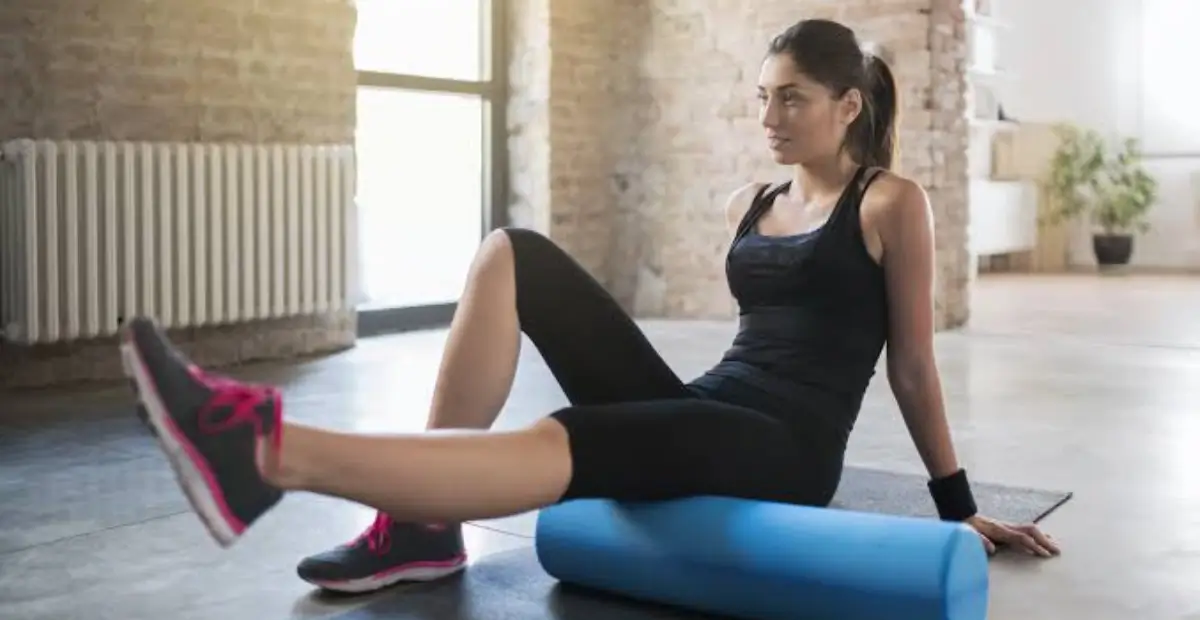
Hamstrings are located at the back of the thigh and are very important in movement. Sit on the floor and put foam roller under one hamstring. Place hands behind for support and raise a few inches off the floor with hips.
Rolling Technique
Move body ahead and behind slowly making the roller glide from above the knee to the base of the glute. Turn the leg slightly towards and away from the other to break up the muscle fibers in different areas. This will help to relieve the tightness in the whole hamstring area.
Recovery Benefits
Hamstring rolling can help to increase flexibility and decrease soreness after exercise. It also stimulates the flow to the muscles that tend to get tight after running and lower body workouts. As such, many people have hamstring rolling as part of their everyday recovery plan.
How to Foam Roll the Calves
Single-Leg Technique
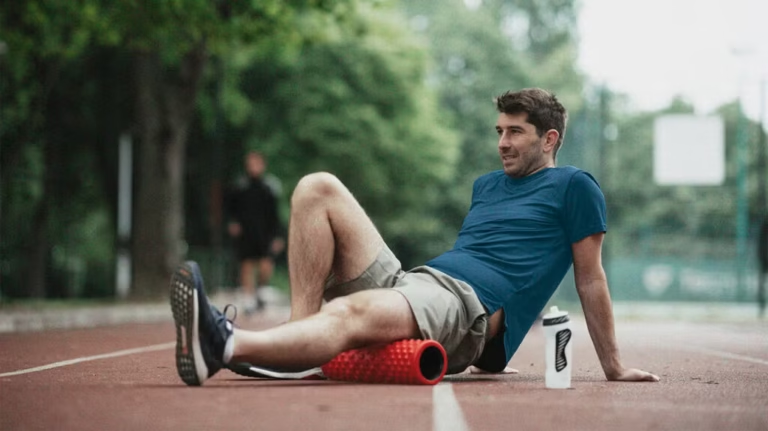
Walking, running and standing for extended periods often cause calf muscles to tighten. For calves foam rolling, sit down on the floor and position one lower leg on the roller. Use your hands to support your body as you lift your hips just a little bit up. Slow and controlled movements to roll the body down the back of the leg from the ankle to the back of the knee. If you want to apply more pressure, bring the opposite leg over the working leg. This is a method to make it more intense without releasing muscles to a greater degree.
Increasing Pressure Safely
Do not put too much pressure in the initial sessions. Rather, ramp up the intensity as your muscles get used to it. Regularly foam rolling can help increase flexibility and decrease tightness in the lower legs.
How to Foam Roll the Glutes:
Sitting Technique
The glute muscles are a significant part of the movement and stability in the lower body. To focus on this point, sit on the foam roller and rest the ankle on the opposite knee. Lie slightly towards the treated side. Vigorously drag back and forth across the roller looking for close quarters. Take a moment to stop and identify places where you may be feeling tension. This enables the muscle to relax and to release more easily.
Targeting Trigger Points
A lot of people tend to hold tension in the glute muscles. The foam roller can be used to both loosen tightness and improve hip mobility. This means that the tempo of movement can become more fluid and efficient.
When is it OK to foam roll your legs?
Before Exercise
Foam rolling is common among athletes prior to exercising as part of their warm-up routine. Foam rolling can help enhance your range of motion and circulation prior to exercise. This makes the muscles feel more ready for exercise.
After Exercise
Foam rolling after exercise helps to aid recovery and alleviate muscle tension. A lot of people experience less stiffness and soreness when they add foam rolling after workouts.
Recovery Days
Another great time to practice how to foam roll legs is on recovery days. Massaging with gentle foam rolling helps muscles recover between sessions and enhance mobility. This is an asset that can be used for long term fitness success.
Many of the common foam rolling mistakes
Rolling Too Fast
Beginners tend to step over the roller too fast. The effectiveness is reduced when the rolling is fast, as muscles do not have enough time to respond to the pressure. The slower the movements, the better the results.
Applying Excessive Pressure
Increasing the pressure doesn’t always signify better. Too strong of a push can cause discomfort and tense muscles rather than relaxing the muscles. Practice with controlled pressure that’s just difficult and attainable.
Ignoring Breathing
Breathing is essential for relaxing muscles during foam rolling. Keeping your breath can cause tension and decrease effectiveness. So, take slow, gentle breaths during each exercise.
Skipping Tight Areas
Some prefer to not use uncomfortable areas when foam rolling. But it is usually these confined spaces that need treatment the most. Practice more on these sites but don’t over-do it.
Frequently Asked Questions
What is the best frequency to foam roll legs?
The amount of foam rolling benefits for most people is 3-5 times a week. It can be done regularly by athletes or highly active individuals, as per their recovery requirements.
Does foam rolling hurt?
The foam rolling technique can be uncomfortable if used to stretch stiff muscles. But it shouldn’t cause sharp or intense pain. If it is too uncomfortable, decrease pressure.
Can foam rolling take the place of stretching?
The purpose of foam rolling is different than stretching. Stretching increases flexibility, foam rolling alleviates muscle tension. Using both methods simultaneously may be used for best results.
What is an ideal foam rolling time?
The typical length of a session is anywhere from five minutes to 15 minutes. Any amount of exercise, even a brief walk, can be helpful when done regularly.
Does running benefits from foam rolling?
Yes. Foam rolling is popular for many runners to enhance recovery, help relieve muscle tightness, and promote mobility. Can be beneficial for calves, hamstrings, quadriceps and glutes.
Conclusion
Knowing how to foam roll legs can make for much better recovery, flexibility and movement quality. This is an easy exercise that will help to relax the muscles and improve blood flow throughout the rest of the leg. Plus, foam rolling exercises improve mobility and can help to minimize post-workout soreness.
From athletes and runners to those who just want to stay fit, foam rolling can be a valuable addition to your workout routine. You can maintain the health of your muscles and enhance your performance by targeting specific muscle groups including the quadriceps, hamstrings, calves, IT band and glutes.
That’s all about consistency, again. By practicing how to foam roll your legs a couple of times a week you should have long-lasting benefits. When paired with correct exercise, stretching and recovery practice, foam rolling can help to promote long-term physical wellness, comfort and mobility.