Foam Roller Stretches for Hamstrings: Complete Guide to Flexibility and Recovery
Strict hamstrings may interfere with mobility, sporting and daily movement. Hamstring tightness is a common condition in many people due to increased sitting, strenuous activities or lack of proper recovery measures. These muscles may restrict the flexibility when they are stiff and may also cause discomfort or injury.
Foam roller stretches of hamstrings have been found to be one effective solution to the problem. Foam rolling is used to release muscle tension, enhance circulation and flexibility. It also aids in the post workout recovery and in the preparation of the muscles to further exercise.
Foam rolling is a tool used by athletes, runners and fitness enthusiasts in their training programs due to its effectiveness. Regardless of whether you want to improve mobility, decrease soreness, or increase performance, understanding how to roll on a foam cushion can greatly benefit you. This guide describes the way hamstring works, why they tighten, and how foam roller stretches can be used to enhance flexibility and recovery.
Understanding the Hamstrings
What are the Hamstrings?
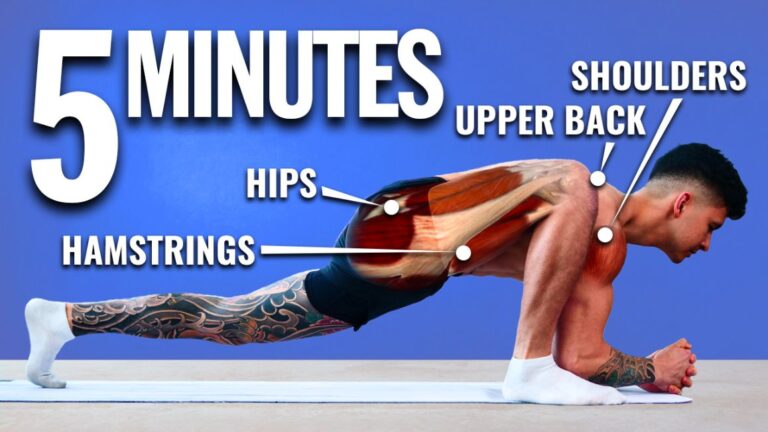
The hamstring is a set of muscles being placed in the back of the thigh. They are made up of three major muscles which act in coordination to aid motion and stability. Such muscles assist in flexing the knee and straightening the hip during physical exercises like walking, running and jumping.
Since the hamstrings are important in lower-body movements, they become very stressed when a person engages in an activity. They are therefore likely to end up being tight and tired without getting rest.
Tightness is commonly caused by the following.
Hamstring tightness is caused by a number of factors. Sedentary prolonged sitting is one of the most prevalent causes. Sitting maintains a shortened state of hamstring over prolonged durations, which may decrease flexibility during the course of time.
Moreover, the hamstring muscles are stressed by vigorous exercises and monotonous movements. Strength training, cycling and running usually cause muscle fatigue which causes tightness. The problem can be further exacerbated by poor warm-up practices and inadequate stretching.
Indications of Tight Hamstrings.
Tight hamstrings tend to bring about pronounced symptoms when they move. When people bend forward or do exercises with lower parts of their bodies, many feel stiff. Other people experience decreased flexibility in sports. Sometimes, tight hamstrings can be the cause of lower-back pain due to their effect on pelvic posture. Thus, it is essential to maintain the health of hamstring mobility to improve quality of movement.
Benefits of Foam Roller Stretches for Hamstrings
Reduced Muscle Tension
Lessening muscle tension is one of the main advantages of foam roller stretches of the hamstring. Foam rolling is the use of localized pressure on tight muscles and connective tissues. This is a pressure that promotes relaxation and assists in releasing restricted areas. Consequently, most people feel more comfortable and move with ease after foam rolling.
Improved Flexibility
Flexibility is a key element in healthy movement and athletic performance. Hamstrings that are tight may limit the range of movement and complicate daily activities. Foam rolling also enhances quality of tissues and minimizes muscular restrictions. Therefore, the flexibility process is frequently enhanced in case foam rolling is made a regular component of a fitness plan.
Better Blood Flow
Proper circulation is healthy to recover and perform well with muscles. Foam rolling helps in blood circulation in the muscles targeted, which brings more oxygen and nutrients to the muscles. Better circulation can also help to eliminate the waste products in the muscles. Recovery can thus be more effective after exercise.
Faster Recovery
In order to have regular performance training, recovery is an important element. Foam rolling improves muscle contraction and promotes relaxation following exercise. Foam rolling is a common practice among many athletes who have just finished a workout since it enhances blood circulation and gets the body ready to train again.
Enhanced Athletic Performance
Elastic and active muscles are helpful in enhancing athletic performance. Strict hamstrings may restrict the effectiveness of movements and the generation of power throughout exercise. Foam rolling contributes to healthier movement patterns by enhancing flexibility and decreasing muscular constraints. Therefore, there can be an increase in performance and a reduction in risk of injury.
How to Perform Foam Roller Stretches for Hamstrings
Proper Starting Position
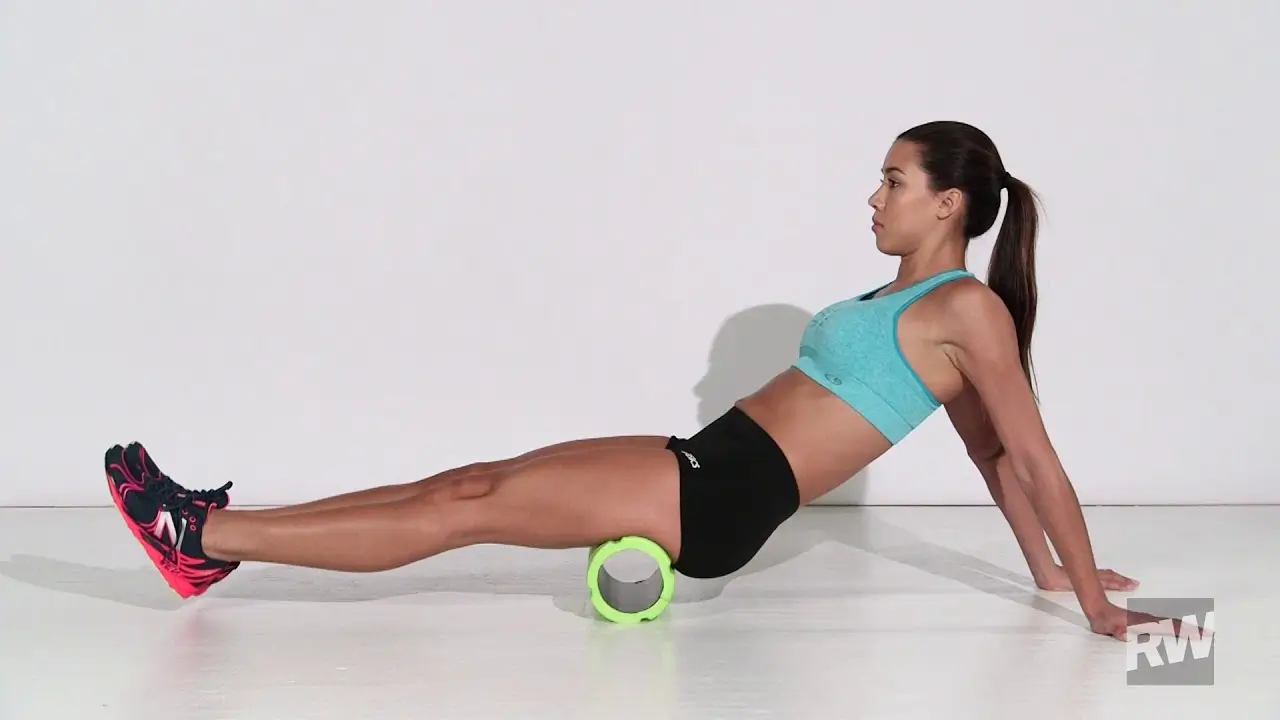
You would start by sitting on the floor and have your legs open. Lay the foam roller under one of the hamstrings and hold your body with your hands placed behind you. Lift your hips a bit off the floor to ensure that the hamstring is resting smoothly on the roller. Be controlled in your movements during the exercise.
Rolling Technique
Straighten your posture and push your brain and body slowly up and down such that the roller will go in the direction of the hamstring. Rolling -just above the knee all the way down to the buttocks. Take things slowly and do not rush through the exercise. At one of the narrowest spots, you come to, make a stop of twenty to thirty seconds. This short rest will assist in promoting muscle relaxation and tissue release.
Breathing and Relaxation Tips
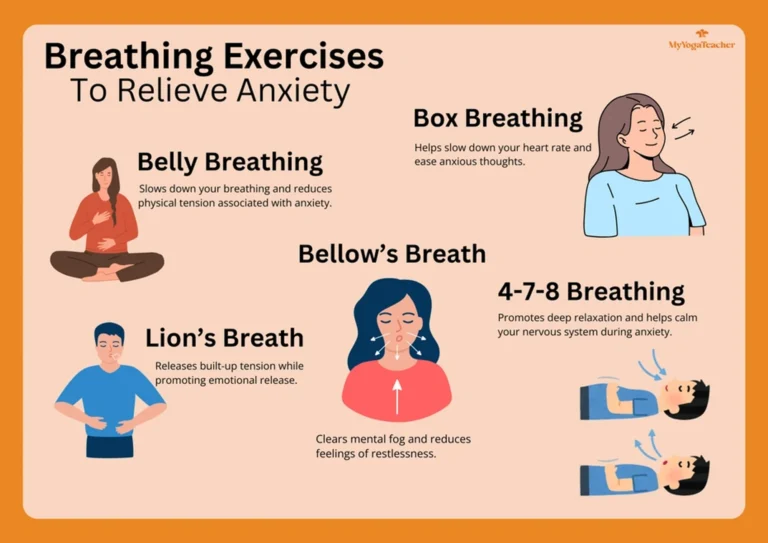
Foam rolling can be enhanced by deep breathing. Take slow breaths in through the nose and slow breaths out through the mouth as you roll over the roller. Breathing is also a form of relaxation and can be used to minimize tension of the muscles. It also facilitates the handling of sensitive spots during the session.
Recommended Duration
The majority of individuals gain advantages of foam rolling up to one or two minutes of their hamstrings. This time will give sufficient pressure to deal with tightness without overworking the tissues. To achieve maximum results, do foam rolling a couple of times per week. It is common that consistency is more valued than intensity when training to enhance flexibility and mobility.
Best Foam Roller Stretches for Hamstrings
Basic Hamstring Roll
Most foam rolling routines have a foundation of the basic hamstring roll. Sitting on the floor with the roller underneath both hamstrings and moving slowly forward and backward. Concentrate on controlled movements. This practice is beneficial to stimulate circulation and decrease muscle tightness.
Single-Leg Hamstring Roll
Single-leg variation provides more pressure and enables more specific treatment. Lay one leg on the foam roller, with the opposing foot on the floor as a support. Slowly roll the whole hamstring with concentration on tension areas. The technique can offer a more profound release in comparison with the simple one.
Cross-Leg Hamstring Roll
To increase the intensity, cross over the working leg over the leg during foam rolling. The excessive body weight adds pressure on the targeted hamstring. This difference is beneficial to more advanced users seeking a more profound muscle release. But the beginners are advised to commence with light pressure then advance.
Hamstring Roll Ankle Movement.
Ankle movement can be added in order to target other parts of the hamstring. During the roll, point, flex the foot and vice versa. This method alters muscle tone in the leg and could enhance general mobility. This variation is used by many athletes in their recovery periods.
Dynamic Hamstring Mobility Stretch
Following a foam rolling, do a dynamic hamstring stretch to strengthen enhanced flexibility. Swings and toe touches of the legs are advantageous in a controlled manner.
Common Foam Rolling Mistakes
Rolling Too Fast
Most individuals slide over the foam roller at a very high rate. Quick roll-outs make the exercise less effective since muscles lack time to react to pressure. Slow and controlled movements are more effective and they can be used to locate tight areas. Rather than going through the process quickly, take time on every part of the hamstring. This method promotes muscle relaxation and enhances the quality of tissues in the long run.
Applying Excessive Pressure
Most novices are of the view that increased pressure always yields better outcomes. Nevertheless, too much pressure may lead to discomfort and tightening of the muscles instead of relaxation. Begin with the moderate intensity and then progressively increase the intensity as your body gets used to it. It is aimed at achieving a comfortable amount of discomfort but not pain. Stability can be more effective than violent treatment sessions.
Poor Posture During Rolling
The improper body position may diminish the efficacy of foam rolling. Bending or losing control can result in failure to target the hamstrings by the roller. Pay attention to sitting in a steady position with the support of your hands. Correct positioning will assist in keeping pressure on the desired group of muscles during the exercise.
Inconsistent Practice
Foam rolling can be effective every now and then, but to achieve long-term effectiveness, one has to do it regularly. Most individuals just use a foam roller when they feel uncomfortable. Nevertheless, regular sessions allow avoiding the unnecessary tightness development. Foam roller stretches of hamstrings a few times a week can also be shown to greatly enhance both short-term and long-term flexibility and recovery.
Sample 10-Minute Hamstring Foam Rolling Routine
Even a brief and structured routine has the potential to produce great outcomes. The sequence below is aimed at hamstringes, circulation, and muscle recovery.
Warm-Up Phase
Start with a minute of light exercise or movement. This aids in boosting blood circulation prior to exerting force on the muscles. Then, do the basic hamstring roll a minute on each leg. Move gradually and concentrate on those areas that seem tight.
Mobility Phase
Don’t stop until you have done one minute of the single-leg hamstring roll on each side. This is more pressure-inducing and gives more specific muscle release. Then, do one minute of hamstring roll ankle motion on each leg. Switch back and forth between flexing and pointing the foot during the exercise.
Recovery Phase
Complete the workout by two minutes of dynamic hamstring mobility stretches. Leg swings and walking toe touches are effective.
This ten-minute exercise is easy to fit into the majority of schedules and has significant recovery value.
Pre-Workout vs Post-Workout Foam Rolling
Pre-Workout Foam Rolling
A significant number of athletes do hamstrings stretches on foam rollers prior to training. Foam rolling before workouts enhances blood circulation and is also used to warm up the muscles. Pay attention to shorter workouts of thirty to sixty seconds in each muscle group. The idea is to enhance mobility instead of to achieve deep muscle release. This method can improve the quality of movements during exercise.
Post-Workout Foam Rolling
Foam rolling assists in the recovery process after exercises, promoting blood flow and alleviating muscle tension. When many people foam roll after training they feel less stiff. The sessions after the workouts may be a bit longer since the muscles are already warmed. A minute or two spent in each hamstring can be a good recovery aid.
Foam Rolling at Recovery Day.
Another good chance of enhancing flexibility and mobility is during recovery days. Light foam rolling can help ease the remaining tightness and allow the muscles to rest between the workouts. Foam rolling can be combined with stretching and light movement, which usually give the best results on recovery days.
Frequently Asked Questions
What frequency of foam rolling my hamstrings?
Foam rolling 3-5 times a week is beneficial to most people. Depending on the need to recover, athletes and highly active people can decide to undertake shorter sessions more often.
Will foam rolling enhance flexibility?
Yes. Foam rolling is used to decrease muscular limitations and enhance tissue quality. It can be used with stretching and frequent exercising to enhance flexibility in the long term.
Is foam rolling better than stretching?
There are other benefits of foam rolling and stretching. Foam rolling also assists in getting rid of muscle tension and stretching is aimed at making the muscles more flexible. A combination of both methods normally yields the best results.
Are foam rolling exercises painful?
Foam rolling can be painful to attack tight muscles. Nevertheless, it must not be acute or excruciating. Take pressure off in case of excessive discomfort.
Which kind of foam roller is the best?
Medium-density foam rollers are usually beneficial to beginners as they offer effective pressure without being too uncomfortable. More advanced users can want stiffer rollers to penetrate the muscles deeper.
Do foam rollers prevent injuries?
Although foam rolling does not ensure prevention of injury, it has the potential to enhance mobility, flexibility, and quality of movement. These advantages can be used to prevent the risk of injury in combination with appropriate training and recovery measures.
Conclusion
Tense hamstring can restrict movement, decrease athletic ability and be a cause of pain in everyday activities. Fortunately, hamstrings foam rollers are an effective and easy way of enhancing flexibility and aiding in recovery. Foam rolling can decrease tension in muscles by applying a controlled pressure on the muscles, enhancing circulation and movement quality.
The results of flexibility, recovery, and general physical performance can be achieved permanently with constant practice. Besides, the combination of foam rolling, stretching, and strengthening exercises can yield even more effective results.
Regardless of whether you are an athlete, a runner, an office worker or a fitness enthusiast, you can consider adding hamstring foam roller stretches into your routine to stay in the healthier range of muscles and move better. The secret of success is consistency. By using proper technique and practice, you will be able to experience better flexibility, quicker recovery and better movement in the coming years.