Foam Rolling Quadriceps: Complete Guide for Recovery, Flexibility and Muscle Relief
Proper foam rolling quadriceps methods can assist in reducing muscle tension, enhancing mobility, and assisting in quicker recovery. Foam rolling is part of the recovery process of many athletes, runners, cyclists, and gym enthusiasts. Foam rolling is an easy self-myofascial release method which involves pressure on the muscles and connective tissues. The pressure assists in the release of the tight areas, circulation enhancement and establishment of healthier movement patterns.
Foam rolling quadriceps is extremely accessible and this is one of the reasons why it has become so popular. A foam roller is cheap, simple to operate and can be adopted by individuals of any fitness degree. Foam rolling can be an important part of your workout whether you are looking to improve your flexibility, decrease soreness, or enhance your athletic performance.
Understanding the Quadriceps Muscles
What are the Quadriceps?
Quadriceps refer to a set of four muscles that lie in front of the thigh. These muscles cooperate to straighten the knee and aid in walking, running, jumping, and squatting. Due to high participation in activities involving the lower body, the quadriceps are subjected to a lot of physical stress. This causes them to be among the most frequent targeted muscle groups when it comes to recovery sessions.
Signs of Tight Quadriceps
Tight quadriceps can be painful when walking, squatting or climbing stairs. Others experience a decrease in flexibility or inability to do some exercises properly. The tightness of the quadriceps can also influence the knees and hips in a few situations, distorting the movement patterns. Early management of muscle tension can assist in remaining healthy in mobility and functioning.
What is Foam Rolling?
Understanding Self-Myofascial Release
Self-myofascial release method is foam rolling which attacks muscles and fascia. Fascia is a connective tissue, which encloses muscles in the body and supports them. Movement can be less efficient and discomfort can ensue when fascia is tight or constrained. Foam rolling aids to relieve such restrictions by exerting controlled pressure on the affected areas.
How Foam Rolling Works
A foam roller involves applying body weight to specific muscles. As one gradually shuffles over the roller, the pressure aids in eliminating tension and activating blood flow. Enhanced blood flow brings nutrients and oxygen to the muscles and promotes healing. This process can assist in decreasing stiffness and enhancing muscle functioning.
Benefits of Foam Rolling Quadriceps
Reduces Muscle Tightness
Decreasing muscle tightness is one of the greatest advantages of foam rolling quadriceps. Strict muscles may limit motion and cause the physical activities to be painful. The use of a foam roller to apply pressure to the muscles will also relax the muscles and eliminate tension points. Foam rolling could assist in healthier muscle activity and enhance overall comfort.
Improves Blood Circulation
Good circulation is significant to muscular recovery. Foam rolling enhances the circulation of blood to the quadriceps thus enabling nutrients and oxygen to be delivered to the tissues more efficiently. Improved circulation can also aid in the elimination of waste products that occur post exercise. This may help to enhance healing and decrease muscle stiffness.
Enhances Flexibility
Strict quadriceps may restrict the range of motion and influence sports. Foam rolling is effective in enhancing the quality of tissue and decrease the limitations in muscles. Foam rolling can help to achieve better movement patterns and flexibility when they are used together with stretching.
Supports Faster Recovery
Rest is a key to muscle health and performance. Foam rolling also has the ability to relax the sore muscles after workouts and assist the body in its natural healing mechanisms. A lot of athletes roll their backs with foam after exercises due to the fact that it reduces the tension and prepares muscles for subsequent exercises.
May Enhance Sports Performance.
Tight muscles do not move well compared to healthy muscles. Foam rolling can help enhance performance in sports and exercise by helping to reduce restrictions and enhance mobility. Better movement quality may lead to more powerful and efficient lower-body mechanics when exercising.
How to select a foam roller.
Soft Foam Rollers
The soft foam rollers offer light pressure and are usually suggested to the beginners. They enable the users to familiarize themselves with foam rolling without too much discomfort. They can be used by individuals with sensitive muscles or those who are new to the recovery techniques.
Medium-Density Foam Rollers
Medium-density rollers provide a comfortable and effective balance. They offer sufficient pressure to attack muscle tension, yet are comfortable to most users. Medium-density rollers are suggested by many fitness professionals to be used regularly.
Firm Foam Rollers
Hard foam rollers are more intense and are often applied by an advanced athlete. They may work well with the resistant spots of tightness.
Nevertheless, novices can feel uncomfortable with them and need to go through the process gradually and then resort to more hard rollers on a regular basis.
Precautions Before Foam Rolling.
Slow Down and Move gradually.
Slowness of movement is one of the most crucial foam rolling principles. Quick rolling in most cases makes it ineffective since the muscles lack time to react to the pressure. The slow and gradual movements are used to determine the tight spots and promote more relaxation of the muscles.
Focus on Breathing
Muscle relaxation is largely involved in breathing. Breathing in can cause tensions and render foam rolling ineffective. Rather than that, breathe slowly and calmly during the session. This aids in relaxation and recovery of the muscles.
Avoid Excessive Pressure
An increased pressure does not necessarily have a positive effect. Excessive pressure may result in discomfort and tightening instead of relaxation of the muscles.Begin with moderate pressure and intensify slowly as your muscles become used to it.
How to Foam Roll Quadriceps
Basic Quadriceps Roll
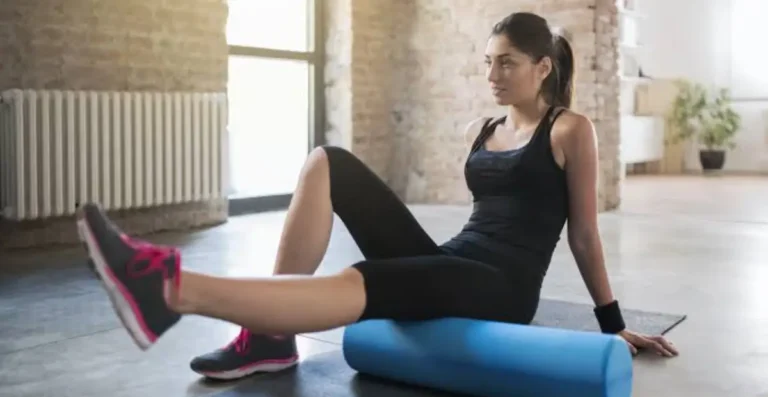
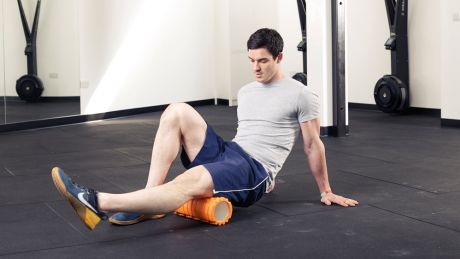
Lie on your back on the floor and place foam roller under the front of your thighs. Use your forearms to support your body and maintain the engagement of your core during the exercise. Slowly curl starting at the top of the knees to the hips. Go slowly and rest a little on those parts that are especially tight. A minute on each leg would give good results.
Single-Leg Quadriceps Roll
The single-leg option offers increased pressure. Lay one of the thighs on the foam roller with the other leg slightly off the roller. Move gradually on the whole length of the quadriceps. This method enables you to work one leg at a time and be more aware of where tension is.
Inner Quadriceps Roll
The tightness of the inner part of the quadriceps is also possible post-exercise. Slight rotation of the body such that the inner thigh is facing the foam roller. Slow movement in the muscle with controlled breathing.
Advanced Foam Rolling Quadriceps Techniques
Cross-Leg Quadriceps Roll
Start in the normal quadriceps rolling position with the foam roller beneath your thighs. To put a greater part of the body weight on the working quadriceps, cross one leg over the other. Gradually bend up the knee to the hip keeping the movement under control. The extra pressure serves to work deeper into the muscle tissue, and can also be beneficial in the stubborn sections of tightness. But a novice is not to attempt this variation until he has learnt the simple ones.
Pause-and-Hold Technique
Pause and hold method works well in addressing specific areas that are tight in the quadriceps. Rather than rolling all the time, find a soft place and pause 20-30 seconds. In the hold, concentrate on breathing slowly and relax the muscle.
Side-to-Side Quadriceps Roll
Quadriceps consists of various muscles and standard rolling is not always effective to work on all areas. Once reaching a tight spot, move your body side to side while keeping it on the foam roller. This minor motion alters the pressure angle and assists in working on various sections of the muscle group. It may be especially useful in enhancing the condition of the tissues and decreasing muscle stiffness.
Best Stretches After Foam Rolling Quadriceps
Standing Quadriceps Stretch
Flexibility and mobility can be enhanced by stretching following foam rolling. The standing quadricep stretch is one of the best stretches. Get on your feet and lean on a wall or something heavy to support yourself. Bend one of your knees and pull your heel to your glutes. Grasp your ankle and slowly draw till you experience the stretch in front of the thigh. Hold the stance between 20 and 30 seconds and then change sides.
Side-Lying Quadriceps Stretch
Another great alternative is the side-lying quadriceps stretch. Lay on your side and bend the knee that is on the top, reaching back to grab your ankle. Pull the heel towards the glutes, and only gently till it gives a comfortable stretch. In this pose, you are stable and can concentrate on stretching the quadriceps muscles.
Kneeling Hip Flexor and Quadriceps Stretch
Tight quadriceps usually come with tight hip flexors, particularly in individuals who sit a lot. Start with half-kneeling position with one knee touching the floor and the other foot in front. Gradually roll with your body in forward position with your torso straight. This is a stretch that lengthens the hip flexors and the upper part of the quadriceps, which enhance greater movement of the lower body.
When to Foam Roll Quadriceps
Before Exercise
Foam rolling of quadriceps is part of the warm-up activities of many athletes. Foam rolling before exercise aids in augmenting blood flow and muscle movement preparation. A brief pre-activity exercise may enhance function and decrease the perception of stiffness. This can assist in making exercises more comfortable and productive.
After Exercise
Foaming roll after exercise is one of the most popular times to foam roll. Exercise may cause the quadriceps to feel fatigued and tight, especially following a period of running, cycling or weight lifting. Rolling the muscles in the aftermath of exercises aids in the relaxation of muscles aiding in recovery. Most individuals say that they feel less sore the next day when they incorporate foam rolling into their post-workout exercises.
On Recovery Days
The days of recovery are a good way to work on mobility and muscle maintenance. Gentle foam roll can be used to enhance circulation and decrease residual muscle tension. The short session can be beneficial even when not exercising to overcome the consequences of a long period of sitting and inactivity.
Who Can Benefit From Foam Rolling Quadriceps?
Runners
Repeated stresses on the quadriceps muscles are experienced during running. Foam rolling may benefit runners by allowing them to keep their bodies flexible and minimizing tightness after running. Better muscle quality can also aid in better running mechanics and comfort overall during training.
Cyclists
Cycling is an exercise that involves constant use of the quadriceps, thus causing muscle fatigue and tightness. Between rides, foam rolling aids in the release of tension and in recovery. Foam rolling is a common practice among many cyclists as they strive to ensure they keep healthy movement patterns.
Office Workers
Foam rolling can be used by even those who do not engage in sports. Long sitting is a contributing factor to tight quadriceps and lack of flexibility. Foam rolling on a regular basis can serve to reverse these effects and aid in the increased mobility during the day.
Common Foam Rolling Mistakes
Rolling Too Quickly
One of the most frequent mistakes is rolling too fast. The rapid repetitions of the movements do not give muscles a time to react to the pressure exerted. Gradual, gentle rolling is usually more useful in decreasing tension and locating restrictive places in the muscle.
Applying Excessive Pressure
It is a common belief that tougher pressure results in greater results. Factually, pressure may cause discomfort when overbearing and will make the muscles tighten. Mediocre pressure and correct technique tend to be more effective than aggressive rolling.
Ignoring Tight Areas
There are those who roll over sensitive places as fast as possible because they are not comfortable. But these cracks and crevices frequently receive our concentrated care.
Taking a few moments on spasms can be beneficial to promote muscle relaxation and enhance tissue quality.
Forgetting to Breathe
Part of recovery exercises includes breathing. Breathing in could add to the tension and decrease the efficiency of foam rolling. Slow and gradual breathing will help promote relaxation and aid in muscle recovery per session.
FAQs
What is the frequency of foam rolling my quadriceps?
Foam rolling the quadriceps three or five times a week is beneficial to most individuals. The active people can decide to do it more often according to the requirements of training.
What time do I foam roll on my quadriceps muscles?
One to two minutes per leg is adequate. Concentrate on quality, not duration and take slow paces during the exercise.
Will foam rolling decrease muscle soreness?
Foam rolling is used by many individuals to aid in relieving soreness and stiffness after exercising. While results vary, it is a popular recovery method among athletes.
Conclusion
Proper foam rolling quadriceps techniques can be learned to enhance flexibility, decrease muscle tension, and aid in recovery. Due to the heavy involvement of the quadriceps in daily activity and athletics, it is important to ensure the health of the quadriceps to ensure long-term mobility and comfort.
Foam rolling can be a beneficial part of recovery whether you are a runner or cyclist, strength-training athlete, or just spending long hours sitting. It is useful in improving the circulation, improving the quality of tissue and also improves better movement patterns in the lower part of the body.
Foam rolling exercises of the quadriceps along with stretching exercises, combined with appropriate hydration and regular recovery practices will help keep your muscles healthier and your physical performance on track. A regular exercise can result in improved mobility, less stiffness, and ease during exercise and daily activity.