Foam Rolling for Mobility: Complete Guide to Better Movement, Flexibility, and Recovery
One of the most crucial aspects of physical health and performance is mobility. Good mobility can make your body move effectively and comfortably whether you are an athlete, a fitness enthusiast or someone who spends long hours sitting. However, unfortunately, contemporary lifestyles tend to cause muscle tightness, joint stiffness and limited movement patterns. Such problems may have an impact on the posture, decrease exercise performance, and risk injuries.
The pressure that the roller provides in control assists in enhancing the quality of the tissue and promoting relaxation all over the body. Consequently, regular foam rolling sessions result in an improved movement, increased flexibility, and decreased stiffness in many people. Foam rolling can aid in achieving your objectives whether you wish to move more during exercises or just feel less tight during the day. The key to enhancing mobility and overall physical performance is to understand how this technique works.
Understanding Mobility and Foam Rolling
What Is Mobility?
Mobility is the quality of being able to move a joint in its entire range of motion in a controlled, stable manner. Flexibility is confused with mobility by many people and they are not synonymous. Flexibility is concerned with muscle length and mobility is concerned with flexibility, strength, coordination and joint functionality. An individual can possess flexible muscles and not be able to move easily in case movement control is impaired.
Mobility is good because it enables the body to carry out daily tasks in an effective manner. Healthy mobility is required in walking, squatting, reaching, lifting and athletic movements. Thus, physical health in the long run is dependent on mobility.
What Is Foam Rolling?
Foam rolling is a self-myofascial release method, which involves the use of a foam roller that is cylindrical in shape and applies pressure to both muscles and fascia. Fascia is a connective tissue that encloses the muscles, tendons and others in the body. In the long-term, fascia may tighten as a result of inactivity, repetitions, stress, or vigorous exercising. These constraints can decrease flexibility and restrict the quality of movement. foam rolling for mobility works to relieve tension in these tissues. As a result, the muscles tend to be relaxed and receptive following a session.
How Foam Rolling Improves Mobility
Among the most significant reasons why people foam roll to maintain mobility is the fact that foam rolling can help to alleviate muscle tightness. Joints are able to move better when muscles are less constrained. Furthermore, foam rolling enhances circulation of blood to specific regions.
Enhanced flow of blood delivers oxygen and nutrients to muscles in addition to recovery. An improvement in tissue quality tends to result in easier and more effective movement patterns. According to many studies, foam rolling can have a short-term effect of increasing the range of motion, without adversely affecting muscle performance. This renders it a superb aid prior to exercises and sports.
Benefits of Foam Rolling for Mobility
Greater Range of Motion.
Reduced scope of movement may have implications on performance of exercise and day-to-day activities. Squeezing muscles tend to limit movement and make physical activities painful. Foam rolling for mobility can be used to lessen these constraints and enable the joints to have a greater range of motion. As a result, a number of individuals become freer with practice. Better mobility may help to make squatting, lunging, running, and bending more natural and effective.
Reduced Muscle Tightness
Tightness in the muscles usually occurs following intense exercises or long periods of sitting. Strict muscles may cause discomfort and restrict the quality of movement. Foam rolling is a low-intensity pressure that stimulates muscles to relax. Consequently, frequent sessions will be of great help to alleviate stiffness and tension all over the body.
Better Blood Circulation
Healthy circulation aids muscle activity and healing. Foam rolling for mobility enhances blood circulation in the targeted regions, and to a greater extent, muscles obtain nutrients more effectively. Enhanced circulation can also aid in clearing waste products that are generated throughout exercise. This leads to increased recovery.
Improved Athletic Performance
During athletic movements, there is a need for appropriate mobility and movement efficiency. Limited muscles may have a detrimental impact on strength, speed, and coordination. Foam rolling is a common activity among many athletes during their warm-up session in order to prepare muscles to work. Increased mobility is usually associated with enhanced movement mechanics and athletics.
Enhanced Recovery
The body needs to have time to recuperate in order to have regular physical activity. Foam rolling helps to relax and circulate in the sore muscles. A large number of people complain of decreased soreness and stiffness in response to the inclusion of foam rolling in their recovery protocol. As a result, they will be able to go back to training in a better shape and feel rejuvenated.
Best Areas to Foam Roll for Mobility
Calves
The calf muscles are key in walking, running, jumping and squatting. Small calves may limit the movement of the ankle and influence the lower body movement patterns. To roll the calves, sit on the floor and roller under one of the lower legs. Gradually proceeding forward at the ankle till reaching the knee without losing control during the exercise. Take one minute on each calf and pay attention to those areas that are especially tight.
Hamstrings
Hamstrings are muscles on the back of thighs, which help in mobility of the lower body. Hamstring constricts may limit movement, and may cause low-back pain. Place the foam roller under the hamstrings and roll slowly at the knee towards the glutes. Stop and have a short break when you find narrow passages and proceed very slowly. Flexibility and the quality of movement is usually improved with frequent hamstring foam rolling.
Quadriceps
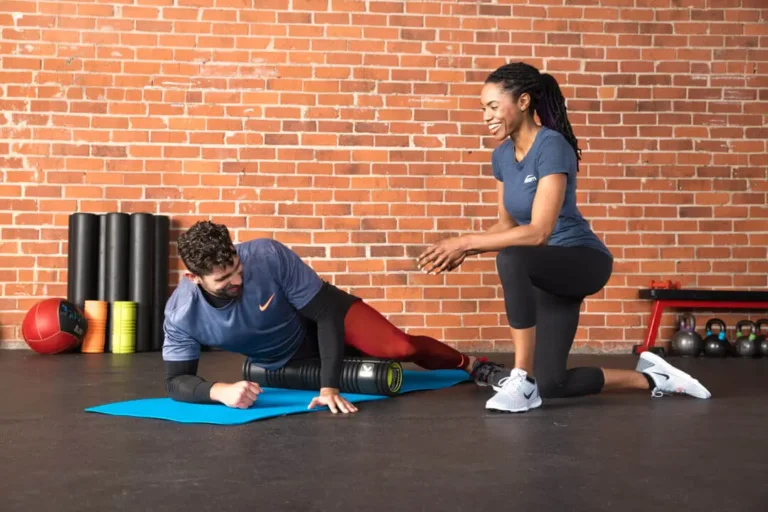
Quadriceps are also commonly tight in runners, cyclists, and those who train their lower-body strength. Tight quads might influence knee performance and hip motion. Lie on your back with the foam roller underneath your thighs. Roll slowly on your hips to your knees keeping your body straight using your forearms. This practice is useful in relieving tension and enhancing movement in the anterior part of the legs.
Glutes
Glute muscles are significant in the stability and movement of the hips. These muscles tend to become tight and inactive due to prolonged sitting. Lie on the foam roller and gradually roll over the glute muscles. Tilt a little to a side in order to exert more pressure and hit certain points. Rolling the glutes on a foam usually enhances hip and general lower body motions.
Upper Back
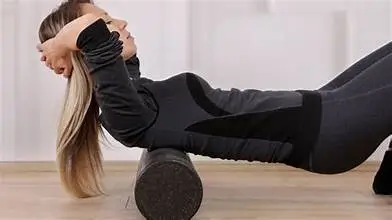
Stiffness of the upper back is prevalent in people who work in offices and those who spend several hours on electronic devices. A decrease in thoracic mobility may have adverse effects on posture and shoulder motility. Lay on your back with the foam roller lying under the upper back. Support your head and slowly roll between the shoulder blades. The method can be used to enhance posture and enhance upper-body mobility.
How to Foam Roll Effectively
The technique is critical in achieving the maximum benefits of foam rolling to improve mobility. Take your time and do not hurry through exercises. Rapid rotation will decrease the effectiveness since muscles require time to react to the pressure. When you find a narrow passage, wait a couple of minutes, that is, twenty or thirty, and then move on.
This moment of rest stimulates relaxation in muscles and is potentially more effective in enhancing mobility than constant motion. Additionally, focus on deep breathing throughout each session. The regulation of breathing assists the muscles to relax, and it enhances the overall performance of foam roll exercises. Thirty to sixty seconds on each group of muscles is beneficial to most people. Regular practice (several times a week) tends to yield the best long-term outcome.
Full-Body Foam Rolling Routine for Mobility
A well-organized schedule will optimize the mobility benefits of foam rolling. A full-body approach is better than working on one area at a time since this style enhances the quality of movement in the whole body.
Lower Body Mobility Sequence
Begin with the calves since the mobility of the ankle influences most movement patterns. Roll each calf in one minute with attention to tight areas. Then proceed to the hamstrings and roll one leg at a time one minute. Use slow movements and take breaks in limited spaces.
Move on to the quadriceps and take a minute each on each thigh. This aids in enhancing hip and knee movement prior to exercise. Complete the lower-body routine by foam rolling the glutes. Take 1 minute on each side with tension spots.
Upper Body Mobility Sequence
Once you are done with the lower body, now concentrate on the upper back. Roll between the shoulders in slow motion (two minutes). Regular upper-back foam rolling improves the shoulder mobility and posture of many people. Prolonged sitting and desk work makes this area stiff.
The lats, which are on the sides of the upper back, can also be rolled softly. Shoulder movement and overhead exercise performance have been shown to improve when lat mobility is improved.
Total Time
This entire routine lasts about ten to fifteen minutes. It can be used either prior to exercises, post-exercise or during recovery days.
Best Pre-Workout Strategy
Pre-training: moderate pressure should be applied and thirty to sixty seconds per muscle group. Deep and vigorous rolling just before intense exercise should be avoided. Rather, concentrate on enhancing movement and getting the body ready to move. After the foam rolling, do dynamic stretches and movement exercises. This mixture usually produces the most favorable outcomes prior to exercising.
Exercises That Benefit From Pre-Workout Mobility
Numerous activities demand good health and mobility to be undertaken safely and efficiently. These include:
Squats
Deadlifts
Lunges
Running
Jumping
Olympic lifting
Sports-specific movements
These activities are usually better with improved mobility enabling better movement mechanics.
Foam Rolling After Workouts
Recovery Benefits
Foam rolling is post-workout and is aimed at recovery and not preparation. Working out produces physical fatigue and short-term tightness. Foam rolling can be used to minimize these effects by promoting circulation and relaxation. Lots of people claim that they feel less stiff when they add foam rolling to their exercise sessions.
Post-Workout Routine
Take one to two minutes per major muscle group utilized in the training. When you have done a lower-body exercise, target the calves, hamstring, quadriceps and glutes. During upper-body training sessions, be sure to spend more time on upper back and lats. Slow down and breathe in a controlled manner during the session.
Foam Rolling + Stretching.
Foam rolling is especially effective in the case of combining with stretching exercises. To begin with, foam rolls the muscles to be targeted in order to take away the tension. Then do light stretches in order to strengthen better movement. The combination can tend to yield greater flexibility gains than either approach.
Common Foam Rolling Mistakes
Rolling Too Quickly
It is one of the most frequent errors to move across the roller too quickly. Quick rotation minimizes performance since muscles require time to react to the pressure. Moderate and gradual motions tend to yield more results.
Using Excessive Pressure
It is a normal assumption that an increased pressure will bring more benefits. Excessive force, however, may add to discomfort, and it may lead to muscles tightening. Concentrate on moderate pressure that is comfortable. The consistency tends to be more significant than the intensity.
Holding Your Breath
Breathing plays an important role during foam rolling sessions. Breathing in can make the muscles tight and decrease relaxation. Slow, slow breathing helps the muscles to unleash better.
Ignoring Tight Areas
Other people just roll over to avoid painful areas rather than working on them. Such narrow spaces usually require the most consideration. Wait a few seconds, about 20-30, when you find tissues which are restricted.
Being Inconsistent
The foam rolling can be done occasionally to provide temporary relief. But regular exercise produces the best mobility. Strive to roll every other week or so on a foam roller.
Who Should Use Foam Rolling?
Athletes
Foam rolling is a commonly used mobility aid among athletes to enhance performance and aid in recovery. Improved mobility will help to improve movement and lessen the risk of injury.
Runners
Exercise imposes monotonous strain on the calves, hamstring, quadriceps, and hips. Foam rolling assists in ensuring flexibility and enhancing the quality of movement.
Office Workers
Prolonged sitting can result in tightness of hips, hamstrings and upper-back muscles.
Foam rolling regularly can be used to reverse these effects and enhance posture.
Fitness Enthusiasts
Improved mobility and recovery can be achieved by any person engaging in exercises on a regular basis. Foam rolling is an easy method of keeping healthy movement patterns and decreasing muscle tightness.
Frequently Asked Questions
How frequently can I foam roll to be mobile?
Foam rolling is beneficial to most people three or five times a week. Active people (athletes) can opt to do shorter sessions every day.
What should be the duration of each session?
The majority of the mobility sessions take between ten minutes and fifteen minutes. Even short sessions could be of some benefit when done regularly.
Is foam rolling a substitute for stretching?
No. Foam rolling and stretching are not used for the same purpose. Foam rolling decreases the tightness of muscles and stretching raises the muscle length and flexibility. A combination of the two methods can be very effective.
Are foam rolling exercises painful?
Foam rolling can cause a slight amount of pain when applied to tight muscles. Never, however, should it result in acute or intense pain. Lessen pressure when pain is too much.
Which foam roller ought beginners to use?
Medium density foam roller is generally recommended to new people. It is effective in terms of pressure but does not produce too much discomfort.
Does foam rolling enhance flexibility?
Yes, flexibility and range of motion in muscles can be enhanced by regular foam rolling as it decreases muscular restriction and enhances the quality of tissues.
Conclusion
The foam rolling as a mobility technique is among the most convenient and universal approaches to enhancing the quality of movements, flexibility, and recovery. Foam rolling can also aid in making the body more efficient in its movements in day-to-day activities and exercise by decreasing muscle tension and enhancing circulation.
Foam rolling has some great benefits whether you are an athlete to enhance performance, a runner to stay flexible, or an office worker to alleviate stiffness. Regular practice may enhance the range of motion, healing, and healthier movement patterns across the body.
Consistency and technique are the key to success. Train the large muscle groups, take everything slow and alternate the use of foam rolling with stretching and strength exercises. Foam rolling mobility can assist you to move, feel and perform to your best ability with time. When you incorporate foam rolling to improve your mobility into a practice, you make an investment in your physical health in the long term, your ability to move freely, and your general mobility.