How to Start Strength Training as a Beginner: A Practical Guide
When beginning a strength training program, it can be difficult to know what to do, how much to lift, and how many days a week to train. The upside is that beginners need not use a complicated programme to make progress.
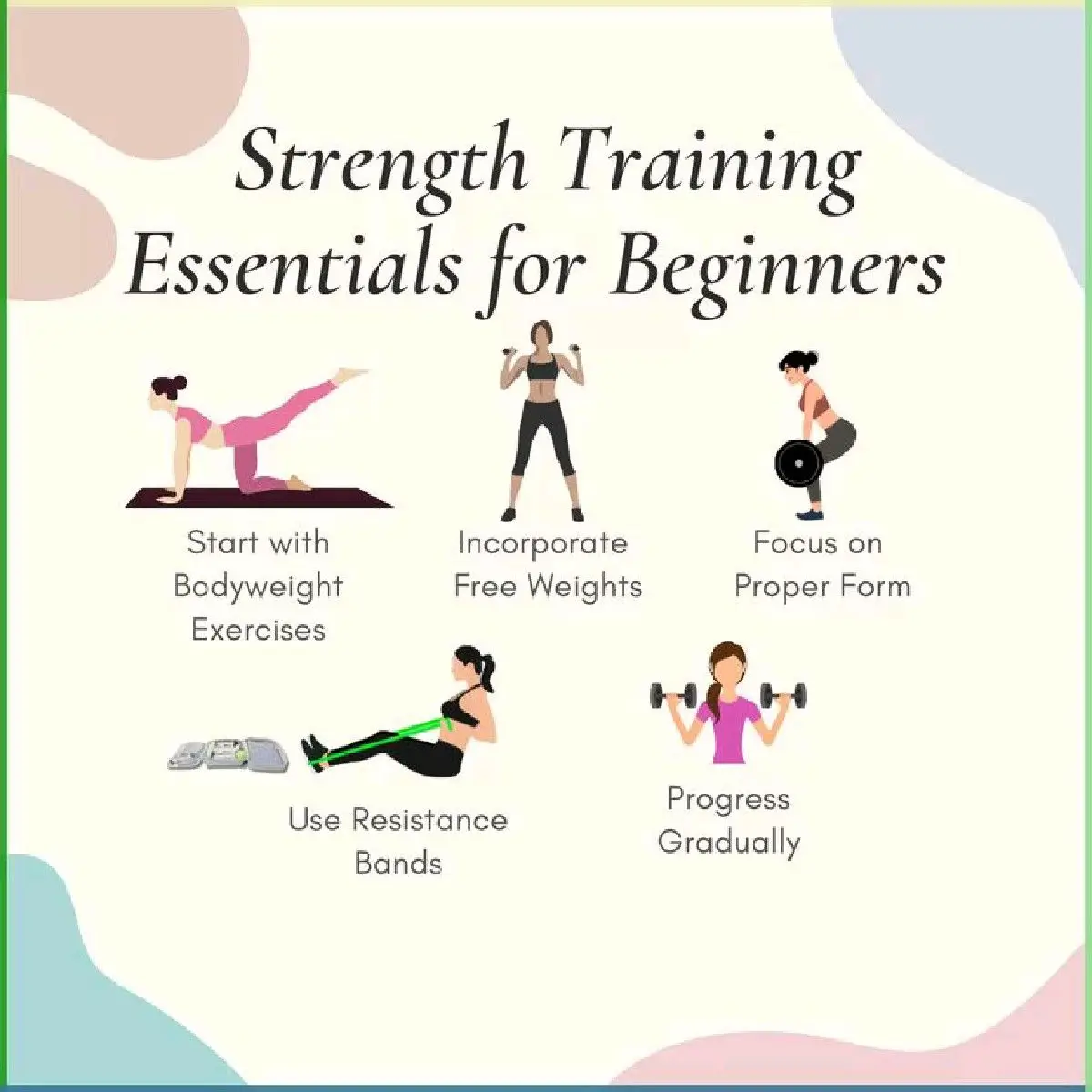
A good strength training for beginners program is usually begun with the basic moves and modest resistance together with regular training. The goal is to master good technique and slowly build up the intensity and allow your body sufficient time to recover.
From building muscle to becoming stronger, to enhancing fitness or supporting everyday movement, learning the proper way to begin strength training can provide a solid base to work from.
What Is Strength Training?
Beginner strength training includes workouts which make the muscles exert to the resistance. That resistance may be dumbbells, resistance bands, machines, barbells or just your body. Common types of exercises include squats, lunges, presses, rows and hip hinge exercises.
These movements will work your big muscles and allow you to work on strength and control of movement. There’s no need to start by working with very heavy weights. As a beginner, it’s important to start the movement out correctly and to get it consistent before trying out more complex loads.
Why Start Strength Training as a Beginner?
A structured strength training for beginners’ programme can help to enhance muscle strength and make everyday activities easier. Some degree of muscular strength is necessary for carrying shopping, climbing stairs, lifting objects and being physically active.
Strength training is another way to help build muscle and keep muscle healthy in an active life! But, it’s not a one or two session process. The advantages are progressive muscle stress over time with adequate rest in between training sessions.
How to Start Strength Training Safely
Make sure to master the fundamental patterns of movement first: This is a critical component to being able to begin strength training. Start at a resistance level that will enable you to do the exercise with good form. You should not have any reps in your set getting more and more unstable.
The basic start-up procedure is:
- 2. Acquire the movement with little resistance.
- Practise controlled repetitions.
- Select a weight that is manageable.
- Do some of the sets.
- Progress through the exercise gradually as it becomes easier.
When pain is sharp or unusual, stop exercising.
Start With a Full-Body Strength Workout
You don’t have to have dozens of exercises in a beginner strength training program. Most major muscle groups can be worked on with just a few movements. For instance, the full-body workout might consist of:
- Performs leg squats.
- Glute bridges to the hips Dumbbell row back.
- Dumbbell back row.
- Push ups (or chest presses) on chest
- Shoulder presses for the shoulders
- Planks for the core
One or two exercises for each of the main movement patterns, but concentrate on the consistency of them.
How Many Days Should Beginners Train?
If you’re just starting out with strength training, 2 or 3 sessions per week might be a good starting point. It isn’t necessary to practice every day to get better. It is important to allow your muscles to recuperate after a period of resistance training, especially if you are new to exercise. One possible plan is:
- Monday: Full-body strength workout
- Tuesday: Rest or light activity
- Wednesday: Walking or recovery
- Thursday: Full-body strength workout
- Friday: Rest
- Saturday: Optional light activity
- Sunday: Rest
The exact schedule can be adjusted around your work, lifestyle and other physical activities.
Choose the Right Weight
When first learning how to start strength training, one of the most important questions is how much weight to use? There is not one weight that is right for all individuals. The resistance level you start at depends on your individual strength, exercise history and type of exercise.
Select a weight so that you can perform your desired number of repetitions with good form and can still perform the last few reps with difficulty. If you can do all reps with little effort to the muscle, it may be necessary to progress to heavier resistance. Lower the weight if you’re unable to work out the correct form.
Focus on Technique Before Heavy Weights
A key component of beginning strength training should be good technique. For instance, in a squat, rather than using the biggest dumbbells, concentrate on moving them under control. Likewise, in dumbbell rows, don’t swing the dumbbells in a sloppy manner.
Maintain control of the movement and work the muscles. A foundation of good technique will make training more efficient, and provide you with a solid base for further development.
How Many Sets and Repetitions Should You Do?
For a beginner strength training routine, about 2-3 sets of an exercise should be used. The number of reps may be different depending on what the movement is and what the training objective is. For many simple exercises, you may be able to start with about 8–15 controlled repetitions. For example:
| Exercise | Sets | Repetitions (seconds) |
|---|---|---|
| Squats | 2–3 | 10–15 |
| Dumbbell rows | 2–3 | 8–12 |
| Glute bridges | 2–3 | 12–15 |
| Shoulder press | 2–3 | 8–12 |
| Push-ups | 2–3 | 6–12 |
| Plank | 2–3 | 20–40 |
The following are initial guidelines and not mandatory requirements. Starting points should be based on ability.
Warm Up Before Your Strength Workout
A warm-up can get you physically ready for your strength training session. Several minutes of light activity (walking, cycling, etc.) can be followed by dynamic activity (the movements needed to perform the exercises you have in mind). For instance, on a leg day, one can perform squats with the body weight and control the leg movements.
Light arm exercises and low resistance exercises may be a good way to warm up before an upper body workout. A warm up doesn’t have to be overly lengthy. The goal is to get gradually started, from rest, into the training session.
Rest Between Sets and Workouts
There are a few key factors for recovery in beginner strength training. Your muscles can only function at their best when they have a chance to rest in between the strenuous exercise sessions. As you exercise, take breaks between sets as needed for the exercise and your level of fatigue.
Some compound movements might need more recovery time than others that are smaller and more isolated. Don’t train the same muscle or group of muscles heavily over the course of the day between training sessions. Sleep, nutrition and overall activity levels also contribute to your ability to recover.
When Should You Increase the Weight?
It’s essential to know how to start strength training and keep getting better, and this includes progressive increases. You do not have to add the weight each time you come to the gym. Rather, track your progress. If you are able to perform all of the desired repetitions with proper form and the exercise begins to feel easier than desired, and you are able to do this repeatedly, then you can add a little more resistance.
If, for instance, you’re able to do 12 reps comfortably with a certain dumbbell, you can jump to a heavier dumbbell and shoot for the bottom end of your desired rep range. The gradual approach will enable your body to adapt without unnecessary difficulty too soon.
Common Beginner Strength Training Mistakes
There are a few common errors that can make newcomer strength training a hassle.
Using Too Much Weight
Lifting heavier than you can control can cause a loss of technique. The development of strength should be gradual and not pushed.
Changing Exercises Too Often
It may be hard to figure out if you’re actually making progress if you are constantly changing exercises. Maintain simple movements for a suitable time.
Ignoring Recovery
Increase of training effort may not be related to increased velocity. Recovery should be considered as a component of your programme.
Comparing Yourself With Others
Individuals start strength training in a variety of fitness and experience levels. You should compare your performance to your own previous performance.
A Simple Beginner Strength Workout
If you don’t know where to start, this simple strength training routine can give you a foundation to build on:
Squats: 3 sets × 10–12 repetitions
Dumbbell rows: 3 sets × 10–12 repetitions
Glute bridges: 3 sets × 12–15 repetitions
Shoulder presses: 2 sets × 8–12 repetitions
Push-ups: 2 sets × as many controlled repetitions as comfortable
Plank: 2 sets × 20–40 seconds
Take rest breaks between sets and focus on technique. Once you’re more comfortable, you may want to add more resistance, reps or sets, but not too many new exercises at one time.
What Should Beginners Eat?
Nutrition helps you build strength for your beginner strength training regimen by supplying energy and nutrients to help you train and recover. Enjoy sufficient protein from foods like eggs, dairy, fish, chicken, lean meat, beans and lentils.
Other healthy sources of carbohydrates for training are foods like rice, potatoes, oats, fruit and whole grains. There’s no need to have a complicated diet. Plan well-balanced meals and adequate overall nutrition based on fitness objectives.
Track Your Strength Training Progress
Being able to monitor beginners strength training progress can aid in pinpointing slow gains. Record exercises, weights, repetitions and sets. It may also be helpful to record the level of challenge for each session.
If you start using 5kg dumbbells for 10 reps and work your way up to 12 reps at that weight then increase to a heavier weight, you’ve made measurable progress. There is no need to make huge gains in strength from week to week. Taking a step back over the past few weeks can give a better perspective.
Conclusion
Beginners don’t need an expert program in the gym or lots of weight in order to begin strength training. Start with simple movements, work on technique and select appropriate resistance.
A regular strength training regimen two or three times a week will help to lay a foundation that works. As strength increases, gradually increase challenge, allowing time for recovery.
Most importantly, don’t rush your strength training efforts so much as learn how to begin them. Consistency, good technique and gradual progression can help you develop a sustainable strength-training routine.