How Hiking Promotes Environmental Conservation
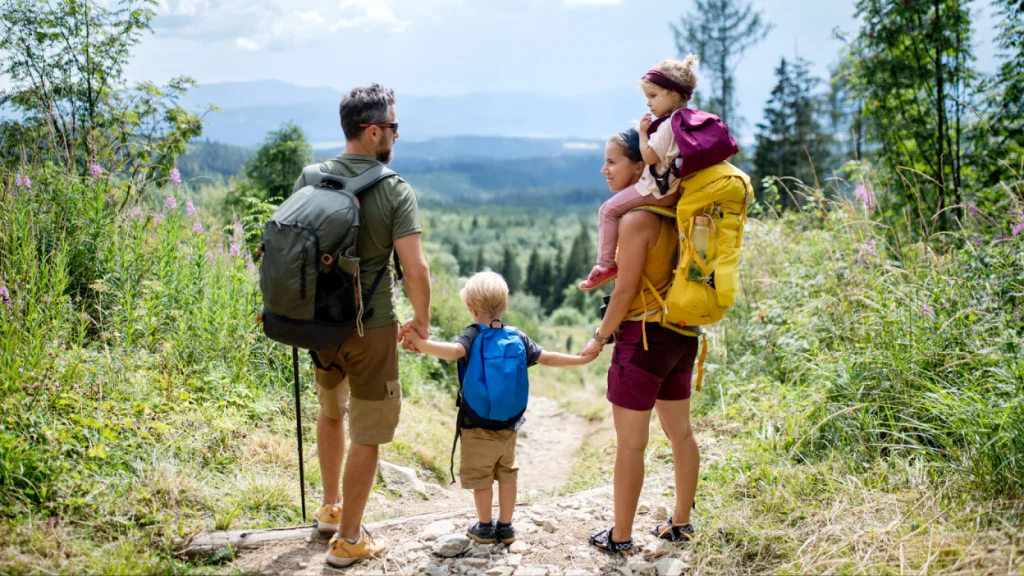
Aside from being a refreshing outdoor activity, hiking plays a powerful role in raising environmental awareness and supporting conservation efforts. When people spend time in nature, they develop a deeper appreciation for natural landscapes, wildlife, and ecosystems. This connection often inspires long-term commitment to protecting the environment. Below is an improved and structured version of how hiking contributes to environmental conservation and personal well-being.
Hiking and Biodiversity Protection
Hiking trails often pass through forests, wetlands, mountains, and other ecosystems rich in plant and animal life. By visiting these areas responsibly, hikers help promote conservation awareness.
When hikers follow designated trails and practice ethical outdoor behavior, they:
- Protect fragile plant life
- Prevent soil erosion
- Reduce disturbance to wildlife
- Support conservation initiatives
Responsible hiking ensures that biodiversity is preserved for future generations.
Hiking and Open Space Preservation
Public interest in hiking increases the value of open spaces. When communities use and appreciate natural landscapes, there is stronger motivation to protect them from urban development and industrial damage.
Well-maintained hiking trails:
- Encourage land conservation
- Support eco-tourism
- Increase awareness about environmental policies
- Promote long-term land protection efforts
By simply using these spaces responsibly, hikers indirectly help safeguard natural habitats.
Hiking as Environmental Education
Hiking provides hands-on learning experiences about:
- Wildlife and habitats
- Plant species
- Ecosystem balance
- Climate and geological processes
Nature becomes a living classroom. Schools, families, and communities use hiking as a practical way to teach environmental responsibility and sustainability.
Hiking and Sustainable Living
Hiking promotes simple living and reduces dependence on technology and high-consumption lifestyles. It encourages:
- Minimal waste practices
- “Leave No Trace” principles
- Lower carbon footprint
- Respect for natural resources
Spending time outdoors helps individuals recognize the importance of conserving resources in daily life.
Personal Impact of Hiking
Beyond environmental awareness, hiking significantly benefits personal health and well-being.
Physical Health Benefits
- Improves cardiovascular health
- Strengthens muscles and bones
- Enhances balance and coordination
- Supports weight management
Mental Health Benefits
- Reduces stress and anxiety
- Improves mood
- Encourages relaxation
- Boosts mental clarity
Emotional and Social Growth
- Builds confidence through challenges
- Strengthens resilience
- Encourages social bonding
- Promotes mindfulness and reflection
How Hiking Enhances Understanding of the Natural World
Observing Flora and Fauna
Hikers experience wildlife and plant diversity firsthand. This direct exposure builds respect for living organisms and awareness of ecological balance.
Understanding Ecosystems
Hiking allows people to observe how plants, animals, soil, water, and climate interact. Witnessing these connections deepens understanding of environmental interdependence.
Appreciating Geological Features
Mountains, valleys, rivers, and rock formations tell the story of Earth’s history. Hiking through these landscapes reveals natural processes like erosion and sedimentation.
Learning Natural Processes
Hikers observe:
- Weathering
- Water cycles
- Seasonal changes
- Habitat succession
These experiences help individuals understand how ecosystems evolve and why conservation matters.
Table: How Hiking Supports Environmental Conservation
| Area of Impact | How Hiking Contributes | Long-Term Benefit |
|---|---|---|
| Biodiversity Protection | Encourages responsible trail use and wildlife respect | Preserves species and habitats |
| Environmental Education | Provides hands-on learning experiences | Builds informed future generations |
| Open Space Preservation | Increases public interest in natural areas | Reduces urbanization threats |
| Sustainable Living | Promotes low-impact recreation | Reduces carbon footprint |
| Community Awareness | Encourages shared environmental responsibility | Strengthens conservation advocacy |
FAQs
1. How does hiking help environmental conservation?
Hiking builds awareness and appreciation for nature, encouraging responsible behavior and support for conservation efforts.
2. Can hiking really make a difference in protecting wildlife?
Yes. When hikers follow ethical practices, they minimize habitat disturbance and help preserve ecosystems.
3. What is the “Leave No Trace” principle?
It is a set of guidelines that promote minimizing environmental impact while enjoying outdoor activities.
4. Does hiking increase environmental awareness?
Absolutely. Direct exposure to nature helps people understand ecological balance and the importance of sustainability.
5. Is hiking considered eco-friendly tourism?
Yes, when done responsibly, hiking supports sustainable tourism and local conservation efforts.
Conclusion
Hiking is far more than a recreational activity — it is a meaningful way to connect with nature and promote environmental conservation. By fostering awareness, supporting biodiversity, encouraging sustainable living, and inspiring stewardship, hiking empowers individuals to play an active role in protecting the planet. When people experience the beauty and fragility of nature firsthand, they are more likely to preserve it for future generations.