Low-Impact Cardio for Beginners: Easy Start Guide

Do you find it hard to exercise without feeling wiped out and sore? A lot of beginners get frustrated that traditional cardio seems too hard and too intense. You put yourself to extremes, become overwhelmed and eventually give up entirely. This is the process that recurs and recurs. But it is not your willpower that is the problem. The issue is that you have done the wrong kind of workout due to the fitness level you are at.
Basic low-impact cardio is just what your body needs at the moment. It is also non-aggressive, non-toxic, and surprisingly helps to better your general state of health. You can lose weight, make your heart stronger and increase your energy without putting pressure on your joints. This guide is intended to help you no matter whether you are a complete beginner, senior, or you are recovering after an injury. Keep reading to find out all you should know to begin your fitness adventure the intelligent and healthy way.
The Reason You Fail at Traditional Cardio as a Beginner.
Most novices have the mistake of doing intense workouts immediately. They attempt running, jumping jacks or a vigorous aerobic workout with no prior preparation. Within days they are sore in their knees, sore in their muscles and are totally demotivated.
Conventional cardio has an enormous burden on your muscles and joints. It requires a level of fitness that most novices just lack at the moment. Thus, it becomes, rather than a health-building activity, a pain-producing, discouraging affair in the short-term.
When Is the Right Time to Start Low-Impact Cardio
Low-impact cardio is always better done today than tomorrow. It is not necessary to first lose weight, or wait until you feel ready. Your body is now prepared to start moving in a non-strenuous and harmless manner.
This form of cardio is particularly essential when you are long time inactive. It is also best when you are dealing with joint pains, when you are healing after getting sick or when you are above 50 years of age. In addition, new mothers, arthritic individuals and fat people are more than pleased to start with us.
What Exactly Is Low-Impact Cardio
Low-impact cardio is any aerobic workout in which one foot is in constant contact with the ground. These activities increase your heart rate and enhance cardiovascular fitness without the banging of your joints. Typical examples are walking, swimming, cycling, and an elliptical machine.
Low-impact activities are painless to your body, unlike high-impact ones such as running or jumping. However, they are not simple when it comes to results. Indeed, research indicates that regular low-intensity cardio is very effective in improving heart health, losing weight, and developing stamina over the long run.
Who Should Choose Low-Impact Cardio Workouts
Absolute beginners who have never worked out on a regular basis are best suited to low-impact cardio. It also best suits seniors who would like to remain active without running the risk of falling or getting injured. Also, overweight people will find these exercises much more comfortable and sustainable.
Low-impact options should definitely be adopted by anyone with chronic pain, joint issues, or injuries in the past. Individuals going back to fitness after having quite some time off also enjoy the fact that this would do them a great favor. But most importantly, should you wish to have a workout that you can maintain, low-impact cardio is the place you should begin.
How Low-Impact Cardio for Beginners Improves Your Health
Beginner low-impact cardio is a powerful health but without subjecting your body to undue stress. It makes your heart muscle stronger and your blood circulates better across your body. Frequent visits can also reduce blood pressure and significantly decrease the chances of heart disease.
In addition to cardio effects on heart, low-impact cardio is beneficial in maintaining a healthy weight and mental well-being. It stimulates the endorphins that are chemical in your brain used to promote your mood. As a result, you are much happier, calmer, and more energized after each workout session.
Best Low-Impact Cardio Exercises to Start With
The most accessible and novice friendly low impact exercise in existence happens to be walking. The only thing you require is a good pair of shoes and a secure area to exercise. You can also achieve incredible results in your cardiovascular state even when you walk just about 20 minutes a day.
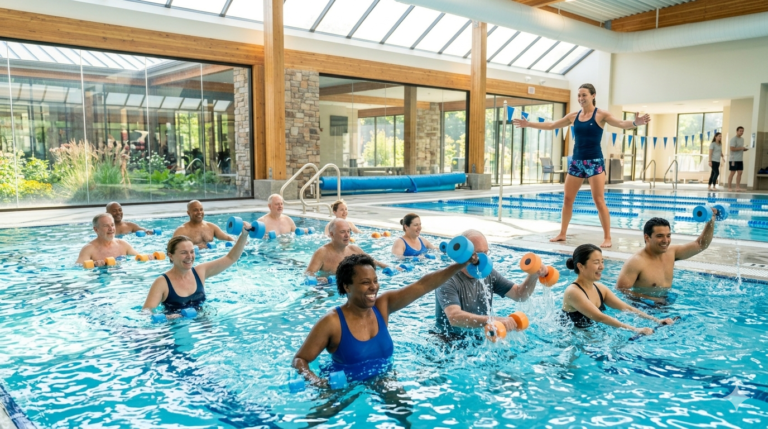
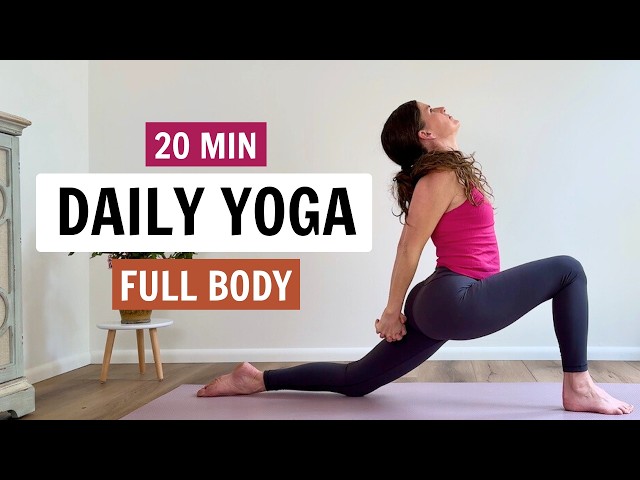
Outstanding options include swimming and water aerobics as well, but only in cases where the joint problem is a beginners problem. This is because natural buoyancy of water supports your body weight, relieves joint pressure by a huge margin. Biking on an exercise bicycle, yoga sessions, and elliptical training are also good and fun alternatives to consider.
How to Build Your First Low-Impact Cardio Routine
Begin by doing only 15-20 minutes of low-impact exercise three times a week. Concentrate all on uniformity rather than striving to achieve intensity or pace. It takes time to get used to it in your body, and no big deal, that is normal.
You have to always start with a warm-up of 5 minutes, to start off with preparing the muscles. Always finish a workout with some light stretching and a cooling down period to avoid soreness. Once your stamina increases several weeks later, add five minutes at a time to your session length.
How Many Calories Does Low-Impact Cardio Burn
The amount of calories that are consumed by low-impact cardio varies between 200 and 400 per hour, depending on your body weight and the intensity of effort. Moderate walking consumes about 250 calories per hour by an average adult. Even more can be burnt by swimming and cycling, particularly as you become more fit.
The most important thing is to ensure that you stick to workouts weekly in order to maximise the amount of calories being burned. As time goes by, your body gets more efficient and you have the capacity to work a bit longer without as much fatigue. Thus, it is important not to consider only the number of calories burned during a session but rather to develop a long-term active lifestyle.
Simple Tips to Make Low-Impact Cardio More Effective
Also, always have good posture when you are working out so that you can get the best out of it and avoid being injured. Remember to keep your core gently involved, to relax shoulders and keep your head straight with your spine. Good posture can enhance all the movements and keep your body safe in the process.
Include two days of light resistance exercise with your cardio program. Muscle-building also elevates your resting metabolism and allows your body to expend more calories during the day. In addition, cardio is combined with strength work, which yields increased and more noticeable fitness gains in beginners.
How Nutrition Supports Your Low-Impact Cardio Journey
The right foods will provide you with energy to work out effectively. Pay attention to lean sources of proteins such as chicken, eggs and legumes to aid in muscle repair after exercise. The basis of the daily meal should consist of whole grains, fresh fruits and vegetables.
Being adequately hydrated is also crucial to your cardio performance and recovery. Consume at least eight glasses of water per day and increase this during your exercise days. Also, do not eat processed foods, sugary beverages and fast food, which slows your momentum and eats you up.
How to Stay Motivated and Keep Going
The best motivational tool that beginners have is to set small and attainable fitness targets. Rather than setting goals of losing 20 pounds in one week, set a goal of doing 3 workouts in a week. Little victories will give you confidence and will make you want to carry on everyday.
It is easier to keep yourself accountable and motivated by following your progress in a simple fitness journal. Record your training time, fitness level and any progress you are seeing in a week. In addition, having a workout partner or an online fitness group gives an additional push and motivation.
Common Mistakes Beginners Must Avoid
One of the most damaging and most frequent errors of beginners is to skip the warm-up. Going directly into exercise without muscle preparation exposes you to more risks of strains and injuries. You should always take minimum of five minutes before beginning to warm up by doing light movements.
An overload on oneself is another huge mistake that contributes to burnout and disappointment. Most novices feel inspired initially and do excessive work during the initial week. Consequently, they are so much-tired, sore and totally unmotivated after the second week.
How to Progress From Low-Impact to the Next Level
In six to eight weeks of low-impact cardio, your fitness will have increased significantly. You will get less fatigued when exercising and will have much faster recovery after any exercise. It is an obvious indicator that your body is prepared to take a bit of a challenge higher.
Start incorporating short bouts of moderate work into your current low-impact exercise program. As an example, replace a fast 2-minute walk with a slow 1-minute jog and vice versa. The gap between low-impact and moderate-intensity cardio is well bridged with this simple technique.
FAQs
Does low-impact cardio work as a weight loss method?
Yes, it is very effective to lose weight with low-impact cardio exercises. It burns your calories through time and enhances your metabolism. It should be accompanied by a healthy balanced diet to ensure maximum and quick results.
What is the recommended number of days that beginners should train?
Novices ought to strive at three to four days of low-impact cardio weekly. This training program gives time to rest and relax between sessions. Ramp up slowly as you get fitter and more enduring with weeks.
Will low-impact cardio be helpful with anxiety and stress?
Yes, absolutely. Low-impact cardio releases endorphins which naturally lower the level of stress and anxiety. And even a 20-minute brisk walk can really pick you up.
Which is the best exercise that is low impact on bad knees?
The best options that people with bad knees have are swimming and water aerobics. Water also lessens the pressure in the joints and makes it possible to move freely during the exercise. Another excellent and knee-friendly bike can be a recumbent stationary bike.
When will I see the outcome of low-impact cardio?
The first two weeks of the program leave most beginners feeling fresher and getting more sleep. Radical physical alterations are normally seen after four to six weeks of regular work. Keep in mind that the two most important issues here are patience and consistency.
Am I able to train low impact cardio daily?
Yes, you can walk and do light low-impact activities on a daily basis with no issues. Nevertheless, don’t forget to take at least one or two full rest days a week. Rest will enable your muscles to rest and get stronger in between.
The requirement is a gym or equipment.
No, you will not need a gym membership or anything special at all. Nobody needs any equipment to walk outside, march somewhere, or to do bodyweight yoga. You will be able to begin your low-impact cardio exercise today and right in your living room.
Conclusion
Pain, exhaustion, frustration do not have to be the beginning of your fitness journey. Beginner-friendly low-impact cardio is a safe, painless, and very effective way to get healthy. Now you know the issue most novices have, why low-impact cardio is the correct answer and how to create your routine step-by-step. The most important thing is to begin small and remain steady and patient in your progress. With each walk you do, each cycle you finish and each workout you attend, you move a step closer to achieving your objective. Take it, the first step, today and believe in the process. You can have a healthier, stronger and more energetic version of you, absolutely.