Gentle Yoga for Stress Relief and Flexibility at Home
Are you always stressed, overwhelmed and physically tense regardless of what you attempt? There is tightness in your shoulders, your mind is going a mile a minute at night, and your body is getting stiffer each and every morning. You have most likely experimented with various kinds of relaxation techniques with no apparent long-term relief or actual machine flexibility. The issue is that generally most stress busters simply take care of the head not the body.
Stress-reducing, flexibility-building gentle yoga fills that gap in as natural and effective a manner as possible. It integrates slow purposeful movement, deep breathing and deep stretching into one potent and accessible practice. Gentle yoga, in contrast to vigorous types of yoga, is about working with your body at the current level of its abilities, without pressure and competition.
Why Stress and Physical Tension are a Match Made in Heaven.
Stress is not merely residing in your head but it has taken root in your muscles and tissues. When you get nervous or stressed, your body will instinctively cause your shoulders, jaw, hips and back to tighten. This chronic tension in the muscles becomes your new normal and makes you feel discomposed and stiff all the time.
The vast majority of people consider stress and physical tightness as two absolutely distinct issues that should have different solutions. Nevertheless, they are very much intertwined and need to be treated simultaneously to be relieved permanently. Thus, an exercise that will relax your nervous system and also relieve physical stress is positively vital to your health.
When Should You Start Gentle Yoga for Stress Relief
Gentle yoga is most effective when one is experiencing high stress levels, rather than when these stress levels are over. You can always wait until you are not so busy or not so tense, which results in you never starting at all. This practice is most needed by your body and your mind in the challenging and overwhelming aspects of day-to-day living.
Gentle yoga is particularly vital when you have issues with anxiety, insomnia, or chronic muscle tension on a daily or weekly basis. It is also perfect when you sit much of the day at a desk and are stiff and tired at the end of the day. Moreover, a person who has experienced burnout, illness, or emotional burnout will find the practice of gentle yoga so restorative and healing.
What Exactly Is Gentle Yoga and How Is It Different
Gentle yoga is an easy, accessible and a very restorative form of yoga practice. It employs altered poses, extended holds and aids to make all the movements safe and comfortable. Gentle yoga never challenges your body to the point of discomfort in its natural environment as power yoga or hot yoga would do.
The principle is to relieve tension, enhance movement and relax the nervous system at the same time. Every pose is maintained in a conscious state of awareness of your breath and body experience. Additionally, gentle yoga can be used by complete beginners, older people, individuals with injuries, and anyone who feels overwhelmed and inaccessible by vigorous exercise.
How Gentle Yoga for Stress Relief and Flexibility Actually Works
Stress relief yoga and gentle yoga are based on a strong set of moves, breathing exercises, and mindfulness. The slowness of the movements activates your parasympathetic nervous system, which is the natural rest and digest system of your body. This is a direct opposite to the fight or flight stress reaction that has your body in a state of constant high alert.
Meanwhile, the soft stretches slowly dissolve the all-pervading fascial and muscular tension of your body. Regular work extends your range of motion, enhances joint activity and gives you a long-term sense of bodily comfort. This means that, with every single session, not only does your body feel lighter and freer, but your mind, as well, feels lighter and freer and at peace.
Who Benefits Most From Gentle Yoga Practice
The gentlest form of yoga is something that is really one of the most widely available forms of exercise and stress relief. Novices with zero yoga experience can easily start without being intimidated and overwhelmed. Better balance and flexibility of joints, as well as the soothing effect on the nervous system, can be of great use to seniors.
Gentle yoga is also beneficial and helpful to people who need help with anxiety, depression, chronic pain, or autoimmune diseases. Office employees with neck tension, lower back pain and eye strain are ideal responders to regular easy practice. Also, caregivers, parents, students, and anyone having heavy emotional loads will greatly be relieved by this tender, motherly practice.
Key Benefits of Gentle Yoga Beyond Stress and Flexibility
There are so many more advantages to gentle yoga than just reduced stress and flexibility. Frequent practice can be very useful at enhancing the quality of sleep because it relaxes the nervous system, and soothes us before we sleep each night. Most practitioners complain of having fallen asleep more quickly, had deeper sleep and woken up feeling actually refreshed every morning.
Gentle yoga also helps maintain the health of the heart; this is because blood pressure is reduced and blood flow in the body is enhanced. It improves the immune system by lowering chronic stress hormones such as cortisol which weaken the immune system.
Best Gentle Yoga Poses for Stress Relief at Home
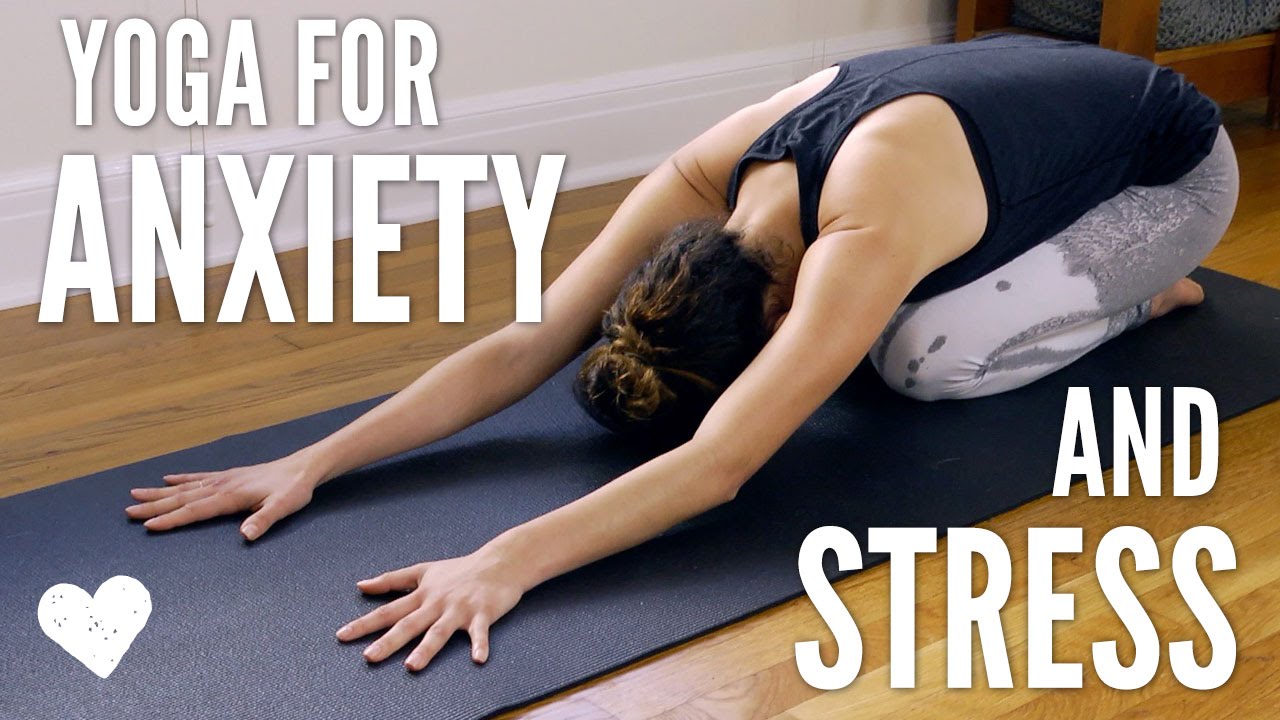
The Child Pose is the most universal, stress reliever of all yoga poses. Sit with your knees on your mat bent towards your heels, and hold your arms straight out before you. Take this stance a minute or three and breathe slowly and deeply through your nose.
Another tremendously effective pose that can be used to relieve stress and anxiety instantly is Legs Up the Wall. All you need to do is lie on your back with your legs five to ten minutes resting up against a wall. This rejuvenating upside-down positively balances out your nervous system, and causes your legs to swell less, and your mind to relax in a deep way immediately.
More Essential Gentle Yoga Poses for Flexibility
One of the best poses in order to release tension on the lower back is Supine Spinal Twist. Lying on your back, bring one knee to your chest and then through the middle of the body. Hold both sides up to one or two minutes with both shoulders loose and resting on the mat.
Cat-Cow is a flowing movement that is an easy and amazing way to warm up the whole spine. Starting on your hands and knees bend your back up on the out breath and down on the in breath. This easy exercise makes your back more flexible, rubs your belly organs and relaxes your brain in as little as a few minutes.
How Breathing Techniques Enhance Your Gentle Yoga Practice
The ultimate weapon in your overall gentle yoga practice is conscious breathing. The breath has a direct effect on your nervous system and can transform you into a state of calm or stress within a few minutes. However, even the most beautiful yoga poses lose the great part of their therapeutical and working effectiveness without the correct breathing.
All gentle yoga breathwork is based on diaphragmatic breathing, or belly breathing. You need to put one hand over your belly and breathe deeply so that the hand lifts up with each inhale. Do this type of breathing a minimum of five minutes prior to yoga to get your nervous system ready to relax deeply.
How to Build a Simple Gentle Yoga Routine for Beginners
Begin your easy yoga practice with five minutes of diaphragmatic breathing while sitting. After that, take your time in Cat-Cow the next two minutes to get your spine stretched and in touch with your breath. Your primary practice should include Child, Supine Spinal, and Legs Up the Wall.
All sessions should be ended with at least five minutes of Savasana, or an entirely still relaxation pose. All you need to do is lie on your back and keep your arms straight and breathe normally. This last relaxation is not optional but is in fact the most significant and therapeutic section of your whole practice.
Common Mistakes Beginners Make in Gentle Yoga
Numerous beginners are guilty of overstraining with the poses in the effort to gain maximum flexibility as soon as possible. Gentle yoga is not particularly about making your body into complicated forms and spectacular poses. Going beyond what you feel comfortable moving also builds tension instead of relieving it and it can be damaging.
Another extremely common mistake that greatly diminishes the benefits of practice is to skip the breathing focus. Most novices consider yoga to be a stretching exercise and totally ignore the breath. But what turns mere stretching into a profoundly restorative and stress-reducing exercise to your entire being is the breath.
FAQs
Would total beginners be able to do soft yoga with no experience?
Yes, gentle yoga is not only meant to be done by those who have never practiced yoga whatsoever. All of the poses can be easily adjusted to fit your present level of flexibility and comfort. Begin with easy beginner poses and concentrate more on breathing than getting perfect shape or form.
How fast will gentle yoga help me to decrease my stress levels?
A lot of individuals are significantly more relaxed and calm following their very first not strenuous yoga. Practicing doing it for two or four weeks yields more enduring and profound effects of stress in the reduction. The breathing methods themselves can offer some quick relief in times of acute stress or anxiety.
Do people with chronic back pain benefit with gentle yoga?
Yes, one of the most effective natural ways of managing chronic back pain is through the use of gentle yoga. Poses such as Cat-Cow, Child’s Pose and Supine Spinal Twist specifically address and relieve tension in the lower back. Always tell your medical practitioner before beginning and never attempt any pose that brings sharp or shooting pain.
Does gentle yoga have a role in insomnia and poor sleep?
Yes, gentle yoga is very effective to enhance the quality of sleep and to decrease the symptoms of insomnia. An evening yoga session relaxes the nervous system and gives your body a message that it is time to sleep. Legs Up the Wall and Savasana are especially effective poses that can help you get ready to sleep deeply and restfully.
Am I going to require any equipment and props to begin gentle yoga at home?
Today, all you have to do to start your easygoing yoga practice is to sit on a comfortable yoga mat at home. Seated and lying poses can be made more comfortable with a folded blanket, a firm cushion or bolster. Yoga blocks are useful to help prop your hands in standing positions but they are unnecessary to absolute beginners.
Conclusion
Both your mind and body have the right to feel relaxed, free and extremely comfortable each and every day. Gentle yoga to relieve stress, and to add flexibility to your body, is a well-trodden, available and highly healing way of achieving precisely that sort of wellbeing. Now you can see the relationship between stress and tension, how gentle yoga can help deal with both of them at once and how to create your own simple home practice today.
The first step is always the most important, and in that case, roll out your mat and make that first step now. Five minutes of basic exercise and active breathing can change your whole attitude and mindset. Always be true to yourself, always have faith that you are changing with each session, and always be kind with yourself. A more relaxed, carefree, and in a very peaceful form of you is right there already.