Importance of Rest Days for Athletes
In modern athletic training, the human body is frequently pushed to the absolute physical limits. A big misconception is that the more training the better the results. The benefits of rest days for athletes is however really quite crucial to know.
You need to balance your work with your body recovering. This guide examines ways in which taking rest days as an athlete can change your general health. Avoiding work does not mean one is weak or extremely lazy.
It is a tactic to make you a far better athlete. People tend to disregard the significance of rest days for athletes, and it leads to severe injuries. Heavy lifting damages your muscles, which require certain time to restore themselves.
This is a necessary athlete recovery process in the preservation of your high performance level. In each and every program that you do, you should have exercise rest days. In order to enhance your everyday training process, we will talk about muscle recovery and rest.
The meaning of rest days for Athletic Training.
Rest day is a day when you take a break and do not engage in intense physical exercise as you always do. These breaks enable your body to rest after exerting physical labor. The distinction between a complete rest and an active rest day is quite large.
Full rest is a situation where you have minimal physical activity throughout your whole day (24 hours). A vigorous rest day will involve light walking or some light stretching. The two approaches remain significant in rest days in training programs nowadays.
Professional athletes never allow themselves to go without a period of rest so as to maintain their highest levels. They know that these silent periods are the most appropriate periods when rest and muscle repair can occur. The balance of your rest vs training will determine the speed at which progress will actually be realized.
How the Body Responds to Training Stress
Each time that you exercise, you cause microscopic tears in the muscle fibers. It is during this training and stress and recovery cycle that you eventually develop strength. Nevertheless, the repair of these fibers is only done when the body is resting between exercises.
Without rest, your muscles remain damaged and are very weak. Another problem that could happen to you is muscle soreness recovery that slows down your day-to-day progress. Without rest, athlete fatigue management is a challenge because of high intensity.
Your nervous system is burdened with your daily physical exercise too. Athletes need some physical recovery time that involves the rest of the brain. Training adaption occurs during your rest day workout.
Comparison table for Rest Days for Athletes
| Sport/Activity Type | Frequency of Rest | Focus on Recovery |
| High Intensity | Two or three days of training | Full rest and a lot of nervous system recovery. |
| Heavy Lifting | Forty eight hours between similar muscle types | Recovery of muscle fibers and replacement of glycogen in the muscles. |
| Endurance Sports | One to two days per training week | Joint health and replenishment of energy stores. |
| Beginner Training | Three to four days of rest a week | Easing training overload and adjusting to new stresses.Muscle |
Muscle Recovery and Growth Process
The significance of the rest days for athletes can be demonstrated at the stage of muscle growth. The process through which your body mends and makes new muscle is called protein synthesis. This is done by resting on a day that it is at its optimum level.
You cannot rest without rest and this will fail to fulfill your goals of muscle growth and repair. Without sufficient rest of your nervous system, then the gains of your strength cease. The lack of recovery does not allow your muscles to get to the full and natural size.
Repair Phase: The damaged fibers are joined together into new ones by the body.
Growth Stage: It is a period of rest where muscles become thick and large in size.
Fueling Phase: To prepare your next rest day workout, your cells store glycogen.
Adhering to the strength training recovery rules will prevent the aggravating performance plateau. These silent hours are necessary to give your body time to digest nutrients and to repair cells. Your day of rest is important so that you get rewarded by your efforts.
Prevention of Overtraining Syndrome
Overtraining syndrome is a severe syndrome that is brought about by overexercise without rest. It may cause irreversible alterations in hormones and an extremely weak immune system. The prevention of overtraining is crucial to all serious contemporary athletes.
Athletes should have rest days to balance out such stress hormones as cortisol and adrenaline. In case you are always exhausted, you may require more time to rest between exercises. There can be consistency only when you do not fall into the overtraining trap that you do day by day.
The success of long-term training is determined by the capacity of listening to your exhausted body. The benefits of rest days for athletes are a significantly more stable mood. Work with your biology, not against it.
Injury Prevention and Physical Longevity
One of the most common causes of sports injury in the world is fatigue. When you are fatigued, your posture will be compromised and your joints will be unbalanced. The most effective method of preventing injury is rest, which ensures one remains in the game.
Athletes have rest days that allow tendons and ligaments to strengthen. The failure to recover sports performance in the right way is the source of chronic pain. To maintain your physical longevity, you need to have a frequent rest day.
Tendon Health: Breaks Tendon fibers need breaks to recover the repetitive strain and stress.
Bone Density: Rest averts stress fractures that are as a result of high impact on pavement.
Ligament Support: Recovery maintains the connective tissues in a tight state and helps to avoid painful joint sprains.
The active rest day strategies can keep your blood flowing to the joints. This exercise assists in clearing out the wastes that make your muscles hurt. Muscle repair and rest are necessary to ensure that your body moves in a smooth way.
Mental Recovery and Psychological Benefits
The problem with training too hard everyday is that the athletes get mentally burned out. Your brain requires the relaxation of pressure to perform well always. Some of the advantages of rest days among athletes are increased focus and levels of motivation.
Resting day will make you have an emotional balance in life. When you sleep frequently, you will be less anxious about your training. Mental acuity is a colossal element of sporting performance and rehabilitation achievement.
This equilibrium will avoid the nightmare of burnout in an occupation of choice. When the athlete is happy he is almost always a much more successful and productive athlete. Use your leisure time on having fun and bonding with your family.
Active Recovery vs Complete Rest
Active rest day entails light body movement such as walking or swimming. This form of active day off is useful in ensuring that your muscles remain warm. Active rest day is a favorite of the number of people who want to move throughout the week.
In the meantime, full rest is equivalent to resting on your feet and letting your body rest. This is because you must select the method that suits your present sports performance recovery. There are instances when your body requires complete stillness as a way of allowing your body to rest and administering healing to the deepest fatigued tissues.
Endurance athletes often need recovery which includes a combination of both of these approaches. A good example of the rest day workout currently is the use of stretching and yoga. It is one of the essential skills that every athlete has to know when to give it up.
How Often Should Athletes Take Rest Days?
The quantity of days of exercise rest will differ depending on your sport. The endurance athlete may require more breaks when compared to light training. Intensive sports need more time to rest between exercises in order to avoid severe damage.
High Intensity: It is vital to allow the athletes a total rest of two to three days.
Low Intensity: One or two rest days is normally quite adequate.
Heavy Lifting: Take a forty eight hour rest before lifting the same group of muscles once again.
Novices tend to require plenty of rest as compared to years of training. Pay attention to your heart rate and sleep quality to find rhythm. It does not have an ideal formula which will fit every individual.
Nutrition, Sleep, and Rest Days
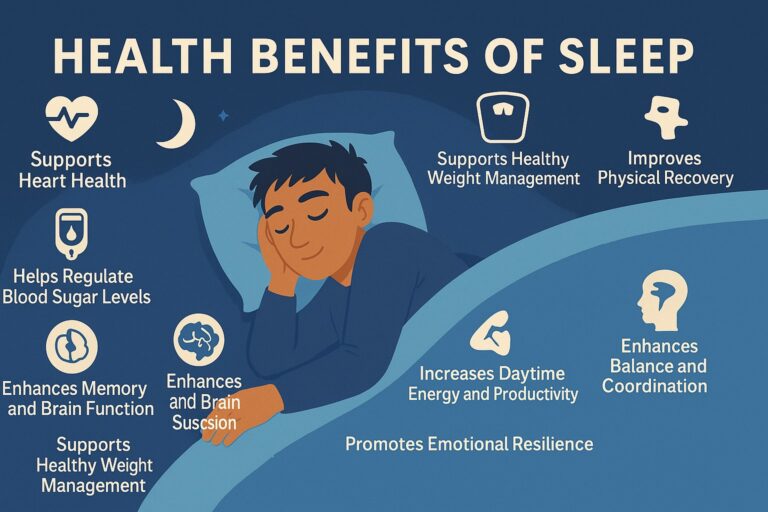
Sleep is the most important part of the entire athlete recovery process. Most of your physical healing happens while you are sleeping deeply at night. You should aim for eight to nine hours of quality sleep nightly.
This is a very important and natural rest which cannot occur without athlete rest and regeneration. Combine good sleep with a rest day for the best possible results. A night will give your body a lot more strength and energy.
Nutrition also plays a huge role in muscle recovery and rest. The nutrition of your body makes the day of rest significantly more efficient. Consider your food as your fuel to the next session.
Common Myths About Rest Days
Most people worry that taking a rest day will cause them to lose weight. It is a much overused myth that lacks science. Actually by letting your body rest, you advance further.
The other myth is that only beginners should take exercise rest days. Even professional sportsmen who are the best in the world have regular time to rest. Significance of rest days in athletes is relevant to all despite the level.
There is nothing to be ashamed of being on the couch one day. There is research support on the benefits of rest days for athletes. Rest day is an aid to success rather than failure.
Frequently Asked Questions
Will I lose my fitness gain when I have a rest day?
Rest days really do well as they enable muscle development. Your body cannot lose muscle mass when you rest for one or two days. The time you actually gain new strength in a body is in recovery.
What is the overall effect of sleep on the overall physical recovery process of professional athletes?
The most important element in the whole athlete recovery process is sleep. Growth hormones are secreted during the time that you are asleep and transform damaged tissues. Get eight hours of sleep to get the most out of hard training.
In what situations does an athlete decide to take a day off instead of an active but light one?
Decide on total rest when you experience sharp pain or extreme fatigue. To restore your body, you know after a very hectic competition, all you require is complete rest. Pay attention to physical indications in order to avoid any severe and painful injuries.
Do mentally exhausted muscles need equal resting time as do physical muscles?
Mental burnout is just like a physical body that is tired, it can destroy your performance. A break would assist you in getting your concentration back and y our great enthusiasm. Take your rest day and calm down the mind, balance your system.
Conclusion
In conclusion, rest days are so significant to athletes that they cannot be overemphasized. Recovery should be a priority for you so that you can attain your optimal physical performance. To keep healthy, take a scheduled day off after every hard working day.
It is this sport athlete recovery process that makes the difference between the victors and the losers. To avoid injury to your body, you should rest days among athletes in a week. Your future success in life will be determined by the manner in which you take care of your tired muscles.
It is worth remembering that movement of the active rest day can be very useful to flow. Thanks for reading about the advantages of rest days for athletes. Go play with the recovery so that you can train more the next day.