Lateral Workouts at Home: Improve Agility, Strength, and Balance Without Equipment
The trend of today is to concentrate on the forward movements in the routine of an individual in a fitness session. Nevertheless, the body takes various positions in day to day activities and sports. Thus, restricting exercises to forward movement exercises can decrease total functional fitness.
At home, lateral exercises help to enhance the quality of movement by training it laterally. These lateral workouts at home work on muscles that have been overlooked with conventional exercise programs. In addition, they improve balance, coordination, and stability without having to use costly equipment.
This easy to follow guide ascertains the importance of lateral exercises in the success of fitness. It also offers easy to follow exercises that all people can do at home.
What are Lateral Workouts?
Understanding Lateral Movement
Lateral movements are movements where the body moves laterally. These movements are effective in testing various muscles as compared to forward or backward exercises.
Majority of the conventional exercises are used in the sagittal plane of movement only. But lateral training is aimed at the frontal plane and provides a balanced muscular development. As a result, the body will be more flexible in diverse physical activities.
The importance of Side-to-Side Movement.
Human body works optimally with the training of the body in several movement directions. However, numerous fitness programs do not even consider the aspect of lateral movement development. Thus, key muscles can be left untrained even after regular lateral workouts at home. Lateral exercises involve the use of hip stabilizers, and aid leg muscles.
How Lateral Exercises Differ From Traditional Workouts
Conventional exercises focus on forward movements such as running, lunging, and squatting often. Lateral exercises, on the contrary, involve controlled movement along the width of the body.
The side-to-side movements require the hips and core muscles to be more stable. Moreover, they put a strain on balance mechanisms as compared to most conventional exercises. As a result, participants acquire better body control and awareness of movement.
Benefits of Lateral Workouts at Home
Enhance Flexibility and Strength.
Agility is defined as the change of direction in a fast and effective manner. Hence, lateral exercises are very important in athletic development programs. In addition, they also train the body to meet the unexpected movement requirements.
Basketball, soccer and tennis sports demand perpetual movement of the body laterally. As a result, athletes implement side-to-side training to improve their performance in competitions at all times.
Build Lower-Body Strength
Lateral exercises are exercises that focus on muscles that are usually neglected in the conventional training programs. In particular, they engage glutes, hip abductors, and inner thigh. The strength of the lower body should, therefore, be developed more fully with balanced movement patterns.
Good hips will give a good base to almost all physical activities. In addition, they aid correct alignment in walking, running and lifting. Thus, developing these aspects will be an important contribution to the total physical performance.
Increase Hip Stability
Hip stability has a great impact on the quality of movement of the whole body. Thus, poor posture and ineffective mechanics are usually caused by weak hips. Besides, instability can augment stress on nearby joints on activities.
Lateral training is a specific aspect of training focused on muscles that regulate hip movements. As a result these muscles are strengthened and responsive with time. The enhanced stability promotes increased performance in lateral workouts at home and everyday activities.
Support Injury Prevention
Numerous injuries are associated with a lack of strength and control of stabilizing muscles. Nevertheless, these muscles are fortified by the lateral exercises in terms of functional movement patterns. This makes the body stronger when performing physical exercises.
The aspect of side-to-side training enhances a better sense of stability and mobility of the joints. In addition, it assists in finding areas of weaknesses prior to causing injuries. Thus, lateral exercises are effective preventative exercise.
Lateral exercises are regularly used as a part of the injury prevention programs among athletes. On the same note, recreational exercisers enjoy better quality movement and stability. Consequently, regular lateral training aids in long-term physical health.
Improve Functional Fitness
Functional fitness emphasizes movements in daily tasks carried out on a daily basis. Accordingly, lateral exercises can be used in accordance with the requirements of real-life movement. In addition, they make the body ready to meet physical requirements in the real world.
Individuals often move laterally when doing chores and leisure activities. As a result, the effectiveness of movement on a daily basis is enhanced by training such patterns. An increased functionality makes the routine tasks easier and more comfortable.
Best Lateral Workouts at Home
Side Lunges
Side lunges are also one of the finest lateral exercises in the contemporary times. They build glutes, quadriceps, hamstrings and inner thigh muscles all at the same time. In addition, they enhance movement control and stability, as well as flexibility.
Start with the feet raised, in a comfortable position, below shoulders. Then step out and bend hips to a controlled lunge. Next, stand up pushing through the planted foot. Do three groups of twelve on each side.
Lateral Squat Walks
Lateral squat walks put a continuous strain on the lower body muscles. Thus, they are effective to strengthen glutes and enhance the stability of hips significantly. This exercise also questions balance and coordination in movement.
Begin by sitting into a comfortable and safe squat. Next, move laterally without changing the depth of squats during the movement. Repeat this a few steps and then reverse. Consequently, endurance in the lower body increases along with development of the muscular strength.
Skater Jumps
Skater jumps are a representation of sport actions that are usually done in sporting activities. They are therefore agile and build an explosive lower-body strength in the process. In addition, they defy balance by dynamic side-to-side movement patterns.
Take a step sideways on the same leg to the other side. Next, land softly keeping control at every repetition with care. Keep swapping sides and move fluidly and intentionally. Thus, coordination and athletic performance is enhanced as a result of regular practice.
Lateral Hops
Lateral hops enhance cardiovascular fitness and build up stabilizing muscles at the same time. Moreover, they enhance both the speed of reaction and movement significantly. This workout takes up little area and gives remarkable training outcomes.
Keep the feet together and go skipping away side by side and back and forth. Land on a soft surface with each repetition to minimise extraneous joint stress. In addition, ensure good posture during the exercise to achieve the best. As a result, stamina and speed increase due to regular training.
Curtsy Lunges
Curtsy lunges are exercises that focus on the inner thighs and glutes using distinct angles of movement. As a result, they enhance muscles that promote hip stability and control. Moreover, they enhance functional mobility and quality of movement below the body.
Take one leg at a time and step behind the body diagonally and lower. Then back to the initial position and then switch sides.
Lateral Leg Raises
Lateral leg raises isolate important stabilizing muscles surrounding the hips. Therefore, they help correct weaknesses contributing to poor movement mechanics.
Get straight on and then raise one leg straight to the side. Wait a moment, then drop the leg in full control. Then, repeat several repetitions before changing to the opposite side. This leads to the gradual development of hip stability and endurance.
Lateral Plank Walks
Lateral plank walks are both upper-body and core exercises. Moreover, they enhance coordination by regulated sideways movement patterns. As such, they provide holistic benefits in one workout.
Take a plank pose and then go sideways with controlled movements. Keep the body position straight during the period of exercise. As a result, core stability and shoulder strength will increase dramatically with time.
Resistance Band Lateral Walks
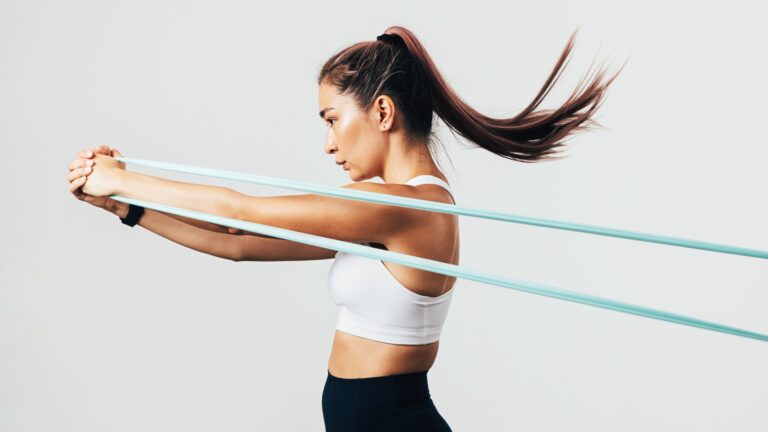
Lateral walks in a resistance band enhance the intensity of exercises with the addition of resistance. Thus, they hasten the increase in strength in significant stabilizing muscles. In addition, bands are affordable and suitable to home fitness programs.
Secure a resistance band on the legs to squat. Next, perform sideways movement and keep the same tension with the band. Consequently, the rate of glute activation progressively increases with every training session.
Speed Skaters
Speed skaters use cardiovascular training together with dynamic lateral patterns. Therefore, they enhance stamina and build up lower-body muscles efficiently. More so, they are very similar to the movements adopted in sports.
Jump sideways, swinging arms intuitively to support and give momentum. Getting on the ground gently and then straight off action towards the other direction.
Novice-Easy Lateral Workout Program.
Warm-Up Exercises
A warm-up session should be the first thing to start every workout. Thus, work muscles with mild movements and then add intensity of exercise. Also, warming up minimizes the risk of injury as well as enhances performance on the workout.
Next, start by increasing the range of movement and then commence the exercise program. This in turn prepares the body for more strenuous exercise.
Recovery and Stretching
Recovery aids adaptation of muscles and minimizes soreness after a workout. Consequently, make it a habit of finishing off any workout with some light stretching and regulated breathing. Also, flexibility and quality of movement are enhanced in the long run by stretching. During recovery, pay attention to hips, quadriceps, hamstrings and calves.
Advanced Lateral Workout Routine
Plyometric Lateral Drills
Plyometric exercises enhance intensity by using explosive patterns of movements. In addition, they enhance the generation of power and athletic performance significantly.
Skater jumps and lateral bounds are some of the exercises that are very effective. As a result, athletes become quicker in responding and more powerful in their movements. These exercises require discipline, coordination, and dedication in each exercise.
Athletic Agility Training
Agility training emphasizes on speed, reaction time, and directional changes. Lateral exercises are, therefore, part of advanced programs. Moreover, the skills of efficient movement in the side-to-side direction are central to athletes.
Add in lateral hops, sprints, and quick changes in direction. Consequently, the efficiency of movement increases in stressful athletic conditions.
High-Intensity Lateral Circuits
Intensive circuits not only enhance caloric burning, but also boost cardiovascular fitness. They hence offer good conditioning as well as the benefit of strengthening. Besides, they uphold workout diversity and activity.
Alternate explosive lateral exercises with short recovery intervals. This leads to an enhanced endurance and athletic capacity due to gradual training development.
Unusual Problems in Lateral Training.
Poor Knee Positioning
It is a common practice by many people to collapse the knees in exercises. Nonetheless, this stance augmented the stress on joints and diminished performance significantly. Hence, ensure that you are on the correct path during all repetitions of movements.
Moving Too Fast
People can acquire bad movement patterns and coordination problems. Hence, it is more crucial to control and then proceed with the exercise at a higher speed.
Ignoring Proper Form
Correct form will provide muscles with desired training benefits all the time. Furthermore, proper form minimizes risks of injuries, and maximizes the effectiveness of the workouts. Thus, pay attention to quality movements rather than the number of repetitions.
Skipping Warm-Ups
Not doing warm-ups exposes one to greater injuries, and it also makes the workouts ineffective. As a result, muscles might not be able to execute strenuous moves effectively. Consequently, spend a few minutes in preparation prior to each session.
Frequently Asked Questions
What do you mean by lateral workouts?
Lateral exercises are exercises that consist of side-to-side patterns that enhance strength, balance and coordination. In addition, they focus on stabilizing muscles that are not included in conventional exercise programs.
What frequency of lateral exercises should I have?
The majority of people enjoy two or three side-by-side sessions of training every week. Hence, use them on a regular basis within an equal balance fitness program.
Are lateral exercises useful in losing weight?
Yes, lateral exercises raise the calorie burning and lean muscle is developed. Moreover, the intensive lateral circuits are useful in maintenance of overall weight.
Do lateral exercises require equipment?
There are lots of good exercises you can do on your side without any equipment. Resistance bands may however make the advanced participants more challenging.
Conclusion
Home-based lateral exercises offer a good way of enhancing agility, strength and balance. Additionally, the exercises tone key muscles which conventional exercises tend to ignore. They are also effective in enhancing coordination and enabling higher quality movement in their everyday tasks.
Lateral training can produce tangible results and gains, regardless of whether you are a beginner or an experienced athlete. Moreover, regular training aids in eliminating the risk of injuries and improves functional fitness.