Hamstring Stretches Foam Roller: Complete Guide for Flexibility, Recovery and Pain Relief
Tightness in the hamstring is one of the frequent issues in athletes, runners, gymnats, and individuals with a sedentary lifestyle. Tense hamstrings may restrict movement, decrease athletic abilities, and augment injury chances. They also may lead to the back pains and improper movement habits during daily living. Effective hamstring stretches foam roller techniques can be learned, and they may assist in enhanced flexibility, decreased muscle tension and recovery.
Foam rolling is now a common form of recovery since it is easy, cheap and efficient. It can be used alongside stretching to release tight muscles, as well as, enhance overall quality of movement. Foam roller is advised by many fitness professionals before and after exercise to maintain the health of hamstrings and ensure that they are functioning properly.
Understanding the Hamstring Muscles
What are the Hamstrings?
The hamstrings refer to three muscles that appear in the back of the thigh. These are muscles which act in combination and flex the knee and extend the hip in movement. They are significant in walking, running, jumping, and most other activities involving physical exercise.
Due to the intensive activity of the hamstrings in the lower-body movement, the muscles are likely to be tight and fatigued. The lack of elasticity of these muscles may influence the sport results and the comfort in everyday life.
Why Hamstrings Become Tight
Hamstring tightness can be caused by a number of factors. One of the most common causes is prolonged sitting. The hamstrings stay in a short position when sitting in long positions and this may eventually lead to loss of flexibility.
Tight hamstrings can also be obtained due to intense exercise without adequate rest. These muscles are highly stressed when it comes to running, cycling, and strength training. In the absence of proper stretching and rest, tension may accumulate.
Symptoms of Hamstring Strain.
Tight hammerstrings usually result in the inability to flex forward or reach the toes. Others are rigid in walking, running or standing after prolonged sitting.
In extreme cases, hamstring tightness can also lead to lower back pain, diminished performance in sports, and the tendency to get strains when engaging in physical exercises.
Benefits of Hamstring Stretches Foam Roller Techniques
Improves Flexibility
One of the biggest benefits of hamstring stretches foam roller exercises is improved flexibility. Foam rolling assists in getting the tension out of the muscles and stretching causes the muscles to stretch.
A combination of these techniques may expand the range of motion and enhance quality of movement. Greater flexibility can result in more comfortable movement throughout the day and better athletic performance.
Reduces Muscle Tightness
Foam rolling provides targeted pressure to the hamstrings and helps to release tight spots and trigger points. This will help to loosen and relax the muscles.
Foam rolling sessions show instant comfort improvements to many people. Tension can build up once more; regular use will assist in preventing this.
Supports Recovery
Exercise necessitates recovery, particularly among active people. Foam roller can enhance blood flow to hamstring which can assist in the supply of blood and nutrients to muscle tissue.
Better circulation will lead to alleviation of soreness and restoration between exercises. This renders foam rolling an important part of most recovery programs.
Improves Athletic Performance
Proper hamstring muscles help in enhancing running, jumping and general performance of an athlete. Muscles that are tight will limit movement and efficiency.
Foam rolling and stretching can aid in stronger and more efficient movement patterns by enhancing flexibility and mobility.
Choosing the Right Foam Roller
Soft Foam Rollers
Soft foam rollers have mild pressure and they are suitable to new entrants. They can be applied to people with sensitive muscles or inexperienced with foam rolling.
These rollers enable users to learn to be comfortable with the technique yet enjoy the benefits of recovery.
Medium-Density Foam Rollers
Medium-density rollers provide an intermediate between the comfort and effectiveness. They can fit the vast majority of users and offer sufficient pressure to deal with muscle tightness.
This kind of roller is advised by many fitness professionals to be used on a regular basis.
Firm Foam Rollers
The firm foam rollers are more intense and usually applied by professional sportsmen. They may be useful in treating intractable muscle tension and trigger points.
But novices will find them unfamiliar and would need to advance in a gradual manner.
How to Foam Roll the Hamstrings
Basic Hamstring Roll
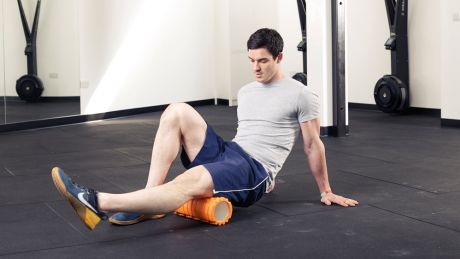
Lie on the floor and stretch your legs out and roll the foam roller under your hamstrings. Support your hands behind you and take off a little of the floor with your hips.
Gradually rotate above the knees towards the glutes. Walk slowly and rest momentarily on narrow areas. The exercise will aid in better circulation and in decreasing muscle tension.
Single-Leg Hamstring Roll
To be even more specific, put one hamstring on the foam roller and avoid the other leg being on the roller. Use your hands to support, and roll slowly along the length of muscle.
This method enables increased pressure and is more effective in targeting particular areas of tightness.
Cross-Leg Hamstring Roll
To enhance the intensity, put one leg on the roller and cross the other leg across it. This causes additional stress to the working hamstring.
Roll gradually and breathe steadily during the movement. This variation is commonly applied by athletes who want to experience a deeper muscle release.
Best Hamstring Stretches After Foam Rolling
Seated Hamstring Stretch
One of the easiest and effective stretches that one can do after foam rolling is the seated hamstring stretch. Sit on the floor with one leg straight forward in front of you, the other leg bent inwards. Keep your body straight and gradually bend towards your toes until a slight stretch is experienced in the back of the thigh.
Foam rolling is beneficial as it relaxes the muscles prior to the stretching, and hence, this movement becomes more effective. Keep the stretch at between 20-30 seconds and repeat on the other leg. Flexibility can be enhanced with time through regular practice, and muscle tightness can be decreased.
Standing Hamstring Stretch
A standing hamstring stretch is a convenient alternative, which could be done just about in any location. Put one heel on a very low bench, step or stable surface with the knee slightly bent. Bend forward at hips with a straight back.
You ought to have a pleasant itch on the back of the thigh. Avoid bouncing or forcing the movement. This stretch can possibly be performed following hamstring stretches exercises on foam rollers and can enhance flexibility and enhance range of motion.
Lying Hamstring Stretch
Lying on your back, take one leg and point towards the ceiling. Grab the back of your thigh, or place a resistance strap to pull the leg a little bit closer to your body. Hold the other leg loose on the ground.
This pose enables you to exercise the hamstring without stressing the lower back. It is adapted particularly when the person can barely manage to do standing stretches because of balance problems.
Dynamic Hamstring Stretches
Leg Swings
Dynamic stretches are common in preparation before exercise as a way of preparing the muscles to move. Among the most effective dynamic stretches of the hamstring is leg swings. Lean against a wall or other solid support and move one leg back and forth in a controlled movement.
This motion aids in enhancing the blood circulation and movements and warming the hamstrings prior to exercise. The light foam rolling should be followed by leg swings as this can make a better warm-up program.
Walking Toe Touches
Walking toe touches are a form of movement that also involves flexibility training. Take a step forward using one leg and reach softly towards the toes of the stretched-out leg without bending your back.
This exercise will aid in warming up the hamstrings and enhancement of quality movement prior to physical activity. It is commonly used by athletes as part of a dynamic warm-up routine.
High Kicks
High kicks entail raising a leg at a time together with reaching towards the toes with the opposite hand. It should be a comfortable movement and not a forced movement.
This warm-up also allows flexibility and the muscles needed to perform sports. It may be a great supplement to pre-workout mobility routine.
Static Hamstring Stretches
Forward Fold Stretch
One of the traditional hamstring stretches that can be used to enhance flexibility with time is the forward fold. Stand with your feet hip-width apart and slowly bend forward from the hips. Relax your upper body towards the floor.
You might have no chance of touching your toes right away and that is no big deal. Concentrate on experiencing a stretch in the hamstring instead of pushing the pose.
Towel Hamstring Stretch
Lying on your back, put a towel or strap around the ball of one foot. Holding the leg straight, pull the towel in a gentle motion so as to draw the leg nearer to your body.
This is a good range where the intensity can be controlled accurately and is not too difficult to most fitness levels. It is usually prescribed to people who are getting back to their normal functioning after long sitting.
Wall Hamstring Stretch
Stand in a doorway with one leg against a wall, and the other leg straight on the floor. Gradually move closer to the wall until you feel a stretch in the hamstring.
The method is a comfortable means of stretching the muscles without overstraining the body. It may come in handy especially with beginners.
When to Perform Hamstring Stretches Foam Roller Exercises
Before Exercise
Foam rolling is commonly done by many individuals prior to exercise in order to enhance mobility and prepare the muscles to move. Dynamic stretching and light foam rolling would be beneficial in promoting better blood flow and flexibility.
This combination can also decrease the feeling of stiffness prior to physical activity. Nevertheless, in most cases, the lengthy, static stretching should be performed after the exercise.
After Exercise
Hamstrings might be tight and tired after exercises. Foam roll may be used to relax the muscles and enhance circulation. Post-foam rolling with the use of static stretches may also enhance the flexibility and aid in recovery.
This is a post-training technique popular among runners, bicycle riders and strength-training athletes. It is able to ease muscle tension and allow improved recovery between workouts.
On Recovery Days
The recovery days are a great time to concentrate on mobility and flexibility. Light stretches of the hamstring foam roller sessions can be used to ensure healthy movement trends without adding extra strain to the muscles.
Most individuals realize that the frequent recovery sessions enhance the flexibility and alleviate soreness during the week.
Traps to beware of.
Rolling Too Quickly
Among the most frequent foam rolling errors is the excessive speed. High speeds decrease the response time of the muscles to pressure.
Here, slow and controlled movements enable you to determine tight areas and produce improved results. Pausing at the right moment can enhance the success of the session.
Applying Excessive Pressure
Excessive pressure may result in discomfort and make muscles tight instead of relaxing. Foam rolling must be challenging, yet controllable.
Start with medium intensity and progressively add intensity as your muscles adjust. Regular rolling is generally more helpful than forceful rolling.
Skipping Stretching
Other individuals are keen on foam rolling and overlook stretching. Whereas foam rolling can be used to relieve tension, stretching can be used to enhance muscle length and flexibility.
A combination of both techniques tends to yield a better outcome as compared to applying any of the techniques individually. That is why a lot of recovery programs involve not only foam rolling but also stretching.
Holding Your Breath
Breathing exercises are usually neglected in the flexibility and recovery exercises. Breathing in leads to added tension and can decrease performance.
Rather, ensure that you breathe slowly and steadily during the session. This aids in the relaxation of the nervous system and assists in muscle recovery.
FAQs
What is the frequency of hamstring stretches foam roller exercises?
The vast majority of individuals have gained advantages of doing such exercises three to five times a week. Active people can decide to do them more often according to the needs of training.
What is the best time to stretch before or after foam rolling?
It is advisable to roll on a foam surface and proceed to stretching, as suggested by many experts. Foam rolling aids in tension release in the muscles, and thus the further stretches are more effective.
Can foam rolling prevent hamstring injuries?
Foam rolling will not ensure injury prevention, but it might contribute to better flexibility, mobility, and tissue quality. These aspects can be used to promote healthier movement patterns.
What is the best duration to foam roll hamstrings?
It usually only takes one to two minutes per hamstring. Concentrate on slow moves and take a short rest on constrained sections.
Is it a normal experience when foam rolling?
The tight muscles are often painful on the point of targeting. But it is not normal to have sharp or severe pain.
Conclusion
A combination of hamstring stretches using foam rollers may be a benefit in terms of enhancing flexibility, decreasing muscle tension, and facilitating recovery. Foam rolling aids in releasing the tight areas in the muscles whereas stretching promotes more range of movement and enhanced mobility.
Regular care of the hamstrings can go a long way whether you are an athlete, runner, gym enthusiast or someone who experiences stiffness due to prolonged sitting. Regular practice may lead to enhancement of the quality of movement, lessening of discomfort, and enhancement of physical performance.