At Home Workout Upper Body: The Full Guide to Strength Building at Home.
You should not be a gym member to develop a strong and defined upper body. Everyone can have thousands of people developing great chest, shoulder, arm and back muscles in the comfort of their own home every day. The correct exercises, the hard work, and the intelligent programming do not require to spend money on costly machines and overcrowded gym floors.
Home work out upper body training has gained a lot of popularity in the past few years tremendously. Increasingly, more individuals are finding bodyweight exercises, resistance bands, and basic dumbbells to be a source of actual strength and muscle building at home. You save time on commute, fees and the irritation of waiting to use equipment during rush periods in the gym at all times.
This full workout plan will provide you with all the required to develop a more powerful upper body at home. You will get to know what exercises are the best to work out each muscle group, how to organize your workouts and what to do over time without a gym.
Muscles Worked during Upper Body Training.
Chest Muscles
The biggest muscle group in your upper body is your pectoral muscles. They regulate pushing and horizontal pushing patterns during all training. A well-developed pectoral muscles form a wide, distinct chest look and aid all pressing power to a considerable degree.
Shoulder Muscles
Your deltoids are made up of three heads such as the front, side and back parts. The three heads require specific education in the development of a balanced shoulder and injury prevention. With good shoulders you can have better posture and all the pressing movements are always supported in the process of training.
Back Muscles
The upper back is made up of your latissimus dorsi, rhomboids, and the trapezius muscles. These muscles are involved in all pulling movements, and are vital to good posture during the day. Back training at home is neglected by most people due to the feeling that pulling exercises are more difficult to accomplish without equipment at home.
Arm Muscles
Elbow flexion is well done using your biceps in all pulling actions. Two thirds of your upper arm is composed of your triceps and is in charge of pushing and pressing. The two groups of muscles grow together during compound pushing and pulling exercises without the initial need to do isolation exercises.
At Home Workout Upper Body: Best Exercises with No Equipment.
Workout in the upper body without any equipment training is possible and very effective at home.
Push-Ups
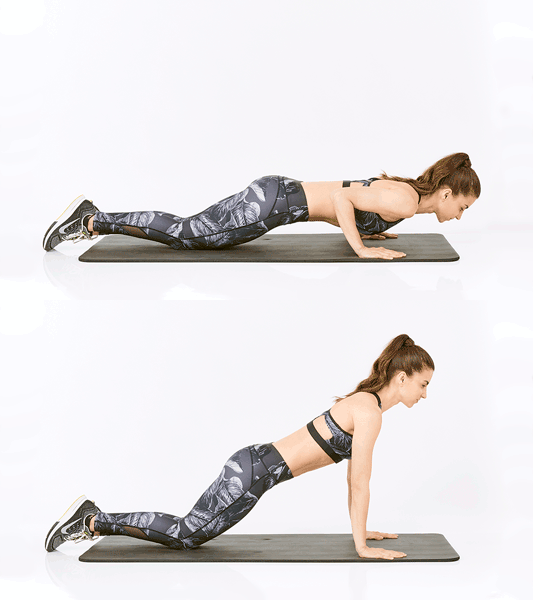
The basis of every effective home training program of the upper body is the push-ups. They develop your chest, anterior deltoids and triceps together by a natural pressing action. In case of regular and gradual practice, standard push-ups alone can yield impressive development of the upper body.
How to perform:
Begin in a high plank position with hands just slightly wider than the shoulders. Bend your chest to the floor without bending your body. Explosively push back up to a starting position with full arm extension each repetition. Do 3 sets of 10 to 20 repetitions at a time, always.
Variations for progression:
- Wide push-ups help work your outer chest better.
- Diamond push-ups put a lot of focus on your triceps.
- Push-ups are beneficial to your upper chest and anterior delt.
- Pike push-ups work your shoulders in the vertical pressing movement.
Dips Using a Chair
One of the best exercises to do to strengthen the triceps at home is dips. Put your hands on a hard chair that is behind you and extend your legs forward on the floor. Bend forward with your elbows bringing your upper arms in line with the floor. Push up backwards with your elbows stretched as far as possible and squeeze your triceps at the top. Best tricep development results can be met by 3 sets of 12-15 repetitions per session.
Pike Push-Ups
Pike push-ups are a great exercise that directly involves pushing your shoulder muscles in a vertical motion. Get down into a downward dog posture and keep hips elevated and inverted V. Bend your arms and bring the top of your head between your hands towards the floor. Push upwards pushing with your elbows and pushing through your shoulders. Always do 3 separate sessions of 10 or 12 reps.
Inverted Rows with a Table.
The upper body home training exercises that are best without equipment are inverted rows. Get under a strong table and hold on to the edge with the two hands a little more than the breadth of the shoulder. Keep straight and draw up your chest to the table surface with force. Slowly and under control, lower back to the starting position each and every repetition of a set. 3 sets of 8 to 12 repetitions each session.
Superman Hold
Your lower back, rear deltoids and trapezius muscles are also strengthened by the superman hold. Lie on his back on the floor with his two arms stretched above his head in the Y position. Raise your arms, chest and legs up and off the floor at the same time with a squeeze of the back muscles. Wait 2-3 seconds in the up position then slowly roll down. Do 3 sessions of 12 to 15 repetitions at a time.
At Home Workout Upper Body: Best Resistance Band Exercises.
At the lowest cost, resistance bands offer immense options to your at home workout upper body exercise.
Resistance Band Pull-Apart
The best exercises to build rear deltoid and upper back at home are band pull-aparts. Position a resistance band before you that is at chest level and have your hands placed shoulder wide apart. Draw apart the band with both hands pushed out until you come in contact with the band and your chest. Do 3-4 sessions of 20 to 25 reps and this exercise will correct the forward shoulder posture.
Overhead Press with Resistanceband.
Attach a resistance band to the floor below your feet, and take the ends in your hands at shoulder level. Bring down gradually until you are at shoulder height and do the same again with 12-15 repetitions per set. This workout is effective at developing your anterior and lateral deltoids using a vertical pressing motion.
Bicep Curl on Resistance Band.
Place the resistance band at the middle and grasp the ends (with palms facing upwards). Flex your elbows against the band, bend both hands towards your shoulders. Flex your biceps at the top and then slowly go back to the starting posture. Do 3 sessions with 12-15 reps each time to develop biceps effectively at home.
At Home Workout Upper Body: Best Exercises With Dumbbells
Dumbbell Bent-Over Row
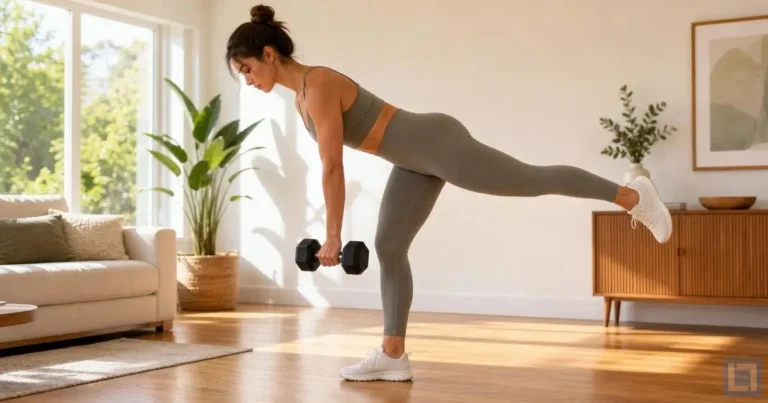
Lean forward at the hips till your torso is approximately parallel to the floor pose. Grab a dumbbell in both hands and have the arms straight down below your shoulders. Drag both dumbbells towards the lower ribcage powerfully pushing the elbows behind. Make sure that you squeeze your shoulder blades together on the top of each and every repetition. Use 3 sessions of 10-12 repetitions each session to achieve full upper back strength development.
Dumbbell Lateral Raise
Lift the two dumbbells outwards and upwards until your arms are at the level of your shoulders and they are parallel to the floor. Slowly but surely bend down to your sides, with control over each individual repetition that you do. Do 3 series of 15 reps each session to develop the lateral deltoid effectively at home.
Dumbbell Bicep Curl
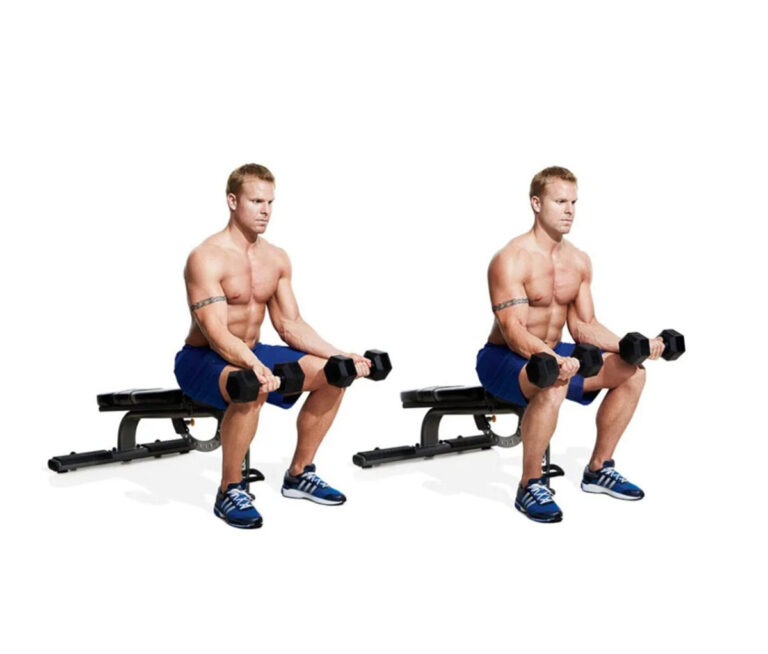
Stand straight with the palms facing forward and with a dumbbell in your hands to your sides. Flex your elbows against the resistance and bend the two dumbbells towards your shoulders. Flex your biceps on the top then slowly roll back to the initial position. Conduct 3 to 12 bicep-building sessions of 12 to 15 repetitions each to effectively build biceps at home.
How to Continue with your Upper Body Training at Home.
Add Repetitions First
Once an exercise seems to be attainable, add 2-3 repetitions and only then make it harder. Do 12 reps and move on to 15 reps after the first session. When you become comfortable with the target rep range, advance to a more challenging variation, or gradually increase resistance.
Graduate to Harder Exercise Variations.
Normal to decline to archer progress push-ups within a steady time. Every variation puts a strain on the working muscles as well but without adding extra weight. The exercise progressions make your training interesting and your muscles develop every month.
Include Resistance Bands or Dumbbells.
Place a resistance band behind your back when doing push-ups to make the pressing resistance much more difficult. Additional dumbbells weigh 2.5 to 5 pounds when you are able to successfully achieve your repetitions. Minor weight gains during months yield significant strength gains that are consistently predictable.
Track Your Workouts
Record your exercises, sets, repetitions and weights at the end of each training session. Tracking is an evidenced process that demonstrates progress and encourages weeks and months of training. It also makes you not have to guess what to do next in each further training session effectively.
FAQs
Is it possible to do actual upper body muscle training at home?
Yes absolutely. Regular progressive body weight exercises develop real muscle and strength at home. The hundreds of thousands of individuals build impressive upper body physiques with push-ups, rows and dips alone and no gym access.
To what extent do I need to train my upper body at home?
Work your upper body 3 days a week with a day of rest between sessions at all times. This rate offers good training stimulus and at the same time leaves the muscles with ample rest between sessions.
Do I require dumbbells to do at home upper body work?
No. Bodyweight exercises are the sole way to develop considerable upper body strength among novice and intermediate trainees. Nevertheless, a simple set of dumbbells adds tremendously to your workout possibilities and develops your muscles much faster in the long term.
Which is the best exercise of the upper body that should be done at home?
The most effective home based training exercises with no equipment are push-ups. They strengthen the chest, shoulders and triceps together in a natural pattern of movement. The optimal pulling exercise at home to build back and biceps is inverted rows.
What is the time frame to upper body results with home training?
Average trainees can observe the growth of strength within 2-4 weeks of regular training. The visible muscle tone changes are usually shown during 6-12 weeks of regular progressive exercising. Training consistency, nutrition, sleep, and the initial fitness level are important factors in the outcomes.
Conclusion
You will not have to spend money on costly equipment, gym membership, or complicated programs to achieve real results. The exercises in this guide effectively give you real strength and muscle in your chest, shoulders, arms and back.
Home exercise upper body training is successful when you form a smart choice of exercise with constant gradual effort over time. Begin with the bodyweight exercises, then add resistance bands to keep things interesting, and finally, add dumbbells when you become stronger and stronger. Adhere to the weekly training plan, monitor your progress and change your program depending on the reaction of your body each month.
Sustainability is the greatest benefit of at home workout upper body training. You can do more and more regularly when training is convenient than the programs dependent on a gym can allow you to do. Make a commitment of 3 sessions per week, consume adequate protein to build muscle, get enough sleep to get a rest and record your progress without cheating. Each month you remain adherent to your home training program, your upper body will become stronger, more defined and more capable.