Foam Roller Leg: Complete Guide to Recovery, Mobility, and Performance
Muscle soreness and stiffness may impact exercise and activities of daily living. Regardless of if you are an athlete, runner, gym enthusiast or just a beginner, recovery is still important for maintaining healthy muscles and joints. The foam roller is one of the best recovery aids that are currently available. If you know your way around foam roller leg workouts, you’ll be able to reduce muscle tension, increase flexibility, and recover quicker from workouts.
The foam rolling technique is gaining popularity due to its ease, affordability, and efficacy. Foam rolling is a common practice among many fitness enthusiasts to enhance mobility and muscle functioning before and after workouts. Also, foam rolling improves blood flow and decreases tightness in the lower body. Including a regular foam rolling regimen in your fitness routine can help maintain improved movement quality and longevity of physical performance.
Understanding Foam Rolling
What Is Self-Myofascial Release?
A type of self-myofascial release, foam rolling involves applying pressure to the muscles and connective tissues. The technique allows for release of tension and enhancement of tissue quality and mobility. Foam rolling will directly focus on areas of tightness within the muscles and fascia, unlike traditional stretching.
Foam rolling is popular among athletes and fitness enthusiasts for its benefits in recovery and flexibility. In addition, this technique allows for healthy movement patterns and prepares the body for exercise.
How Foam Rolling Works
A foam roller is a device that uses targeted pressure to the muscle groups as you roll your body over it. This pressure increases circulation and decreases muscle tightness and discomfort. Better blood flow provides oxygen and nutrients to working muscles, more efficiently.
This means muscles heal quicker and are not as constricted after working out. Over time, frequent foam rolling may help enhance flexibility and movement quality.
Who Can Benefit From Foam Rolling?
Nearly everyone can benefit from a foam rolling routine. Foam rollers are a popular tool for athletes to help with recovery and keeping them at their best. Many runners use a foam roller to alleviate pain and promote flexibility in their legs. Further, those who sit a lot can find much relief from muscle tension with frequent foam rolling. Foam rolling can be a helpful addition to your routine, whether you are looking to prevent injuries, increase flexibility or recover. There are several benefits to using a foam roller leg routine.There are a number of advantages to a foam roller leg routine.
Reduced Muscle Soreness
Another great advantage of a foam rolling leg workout is to help with soreness after exercise. Increased muscle damage can result from hard work, causing pain and stiffness in the muscles. Foam rolling helps to boost circulation to the target muscle and promotes relaxation. While it can’t 100% cure the soreness, frequent foam rolling can help you recover more easily and more handleably. This enables people to have more regular exercise routines.
Improved Blood Flow
Good circulation is important to muscle recovery and good performance. Foam rolling increases the flow of blood through the muscle group being worked, which can help to improve the delivery of nutrients and oxygen. Better circulation can also help to clear waste products from the muscles. This means that the body recovers better after exercise.
Better Flexibility
Tight muscles create restrictions in movement and decrease athletic performance. Foam rolling will reduce the restrictions in the muscle tissue and fascia. For this reason, many people find that they have better flexibility and a wider range of motion. Foam rolling, along with stretching and strength training can have a powerful impact on overall mobility and movement efficiency.
Enhanced Recovery
Rest and recovery is an important component of fitness training. Foam rolling helps relax muscles and promotes circulation in tired muscles. There are lots of athletes that foam roll after their workout, as it assists prepare their bodies for upcoming training sessions.
Over time, consistent recovery practices can translate into better performance and injury prevention.
Improved Athletic Performance
Well-functioning muscles work more smoothly and are able to produce more force. Foam rolling can be used to increase movement quality and decrease muscular restrictions. Foam rolling is a common practice for athletes, as it helps maintain their muscles in optimal working condition. This translates to improved mobility and recovery, and enhanced athletic performance.
Best Muscles to Foam Roll in the Legs
Quadriceps
The Quadriceps are on the front of the thigh and are important for running, jumping and squatting. These muscles tend to tighten up following vigorous exercise. Quadriceps foam rolling will help increase flexibility and alleviate quadriceps soreness. For this, position the foam roller under the front of your thighs and slowly extend the roller from your knees to your hips. Take a moment to stop in restricted places before proceeding.
Hamstrings
Hamstrings are on the back of the thighs and play a key role in providing strength and movement of the lower body. Tight Hamstrings can cause tightness and thus raise the risk of injury and reduce flexibility. Place the foam roller under one hamstring and sit on the floor. Knee to glute, roll slowly toward glute, moving in a controlled manner. This is an exercise that can help increase blood flow and decrease muscle tension.
Calves
The calf muscles are subjected to a lot of stress when performing walking, running and jumping exercises. Tight calves can have an impact on mobility at the ankle and on quality of movement. For calves, position the roller under the lower leg and roll slowly up from the ankle to knee. Pressure (controlled) can help to loosen and make it flexible.
IT Band
The iliotibial band is located on the outside of the thigh and can tighten up in runners and active people. While the IT band is connective tissue, there are some muscles that surround it and rolling them might help to decrease tension around the band. Place foam roller on outer thigh and lie down on your side. Roll slowly, body control is important. This method can help increase comfort and mobility in the hips and knees.
Glutes
The glutes provide stability and power to the hips and lower body. Overuse of the glutes, from sitting for extended periods or exercising, can cause tension in the glutes. Sit directly on the foam roller and gently roll over the back of the glute muscles. Stop in places that are very tight. Foam rolling the glutes frequently will increase hip mobility and movement efficiency.
How to use a foam roller on your legs.
Proper Technique
Correct technique will make a difference in how effective you can be with foam rolling. Do the exercise at a slow, controlled pace. Controlled movement assists muscles to react more efficiently to pressure. If you locate a tight space, take a short break and relax the muscle. This method can yield more benefits than a continuous roll without stopping.
Rolling Speed
Many beginners begin rolling the foam roller too fast across. Avoid fast movements, they are less effective, and harder to detect problem areas. Slow and deliberate rolling facilitates more effective targeting of tight muscles. The rule of thumb is 30-60 seconds per muscle group. This will give the tissue enough time to react well.
Pressure Guidelines
It’s crucial during foam rolling sessions to apply the proper pressure. Many new players think that higher pressure inevitably leads to better performance. But too much pressure will lead to undue discomfort and muscle tightness.
Begin on medium level and slowly go up to them if they’re comfortable. The objective is to experience a mild ache which is not sharp. Regular practice can get better results than extreme treatment sessions.
Breathing Tips
Exhalation is a crucial component to foam rolling. Slow, steady breathing relaxes the muscles and decreases tension in the body. Plus, breathing correctly can help make uncomfortable areas easier to deal with. Don’t take a deep breath during the roll. Rather, take a slow breath in through the nose, and then a slow breath out through the mouth. This is an easy habit to develop that helps you relax and makes your recovery program more effective.
Some foam roller leg exercises
Quad Roll
The quad roll concentrates on the front of the thighs and assists with loosening of muscle tension. Start laying on the foam roller with your face down (on your stomach). Use the forearms to support your body and gradually roll the pelvis towards the knees. Take breaks for any and all restrictions you find. Repeat rolling for 1 minute with each leg. This workout is particularly helpful following lower-body strength training or running or cycling.
Hamstring Roll
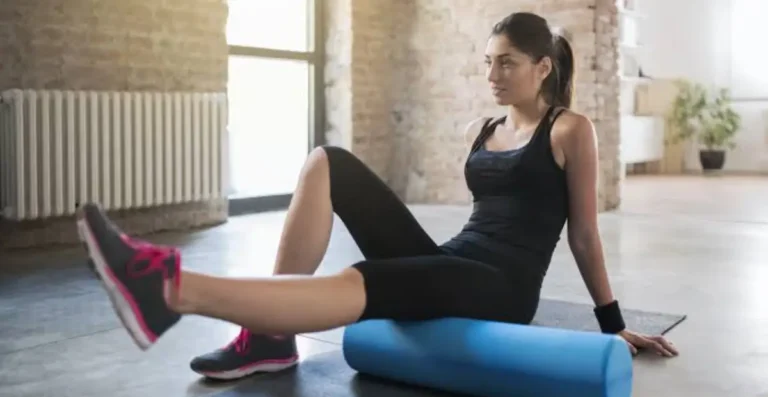
Hamstring roll works the back of the thighs. Place foam roller under one leg and sit on the floor. Rest hands on back for support and raise hips slightly. Gently roll towards and away from knees, while moving forward and backward in the slow roll. Twist the leg slightly inwards and outwards to activate different areas of the muscle. This method helps increase flexibility and promotes healing.
Calf Roll
The calf roll will alleviate tightness in the lower legs. Place foam roller under one calf and lean on hands. Slowly roll the ankle back to the back of the knee. If you want to make it harder to place one leg on top of the other. The extra pressure may help to stimulate deeper muscles, increase circulation and flexibility.
IT Band Roll
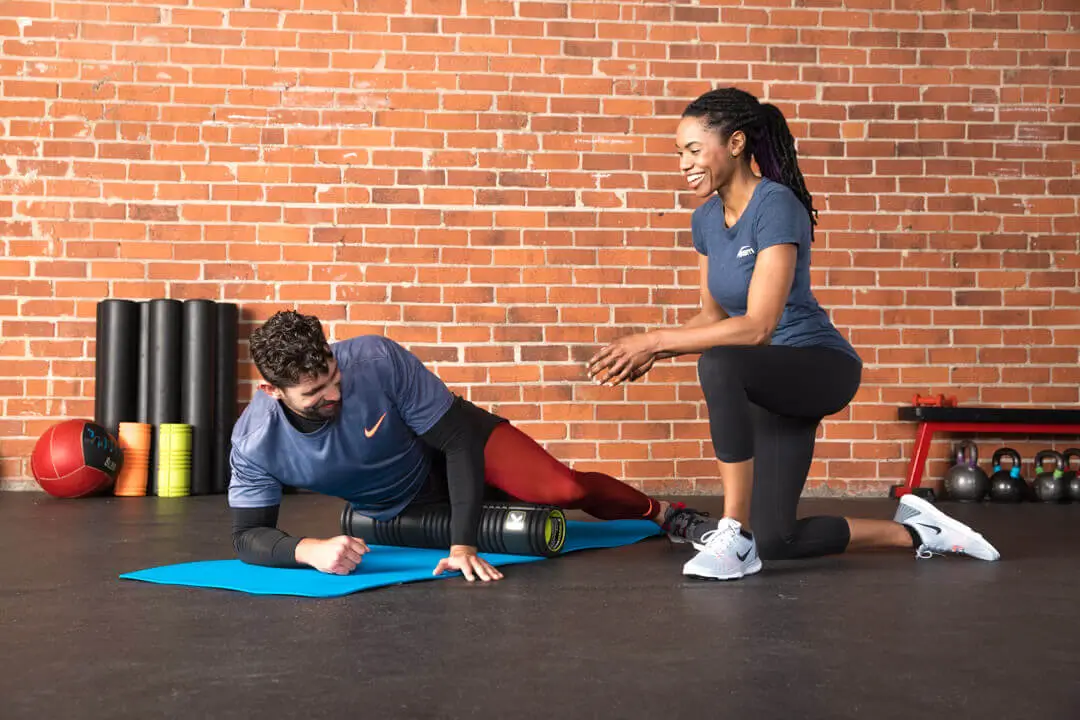
Repetitive motion patterns can cause the IT band area to become tight. Place the foam roller under the outer thigh, and lie on your side. Hold your upper body up with your forearm and carefully slide along the length of the upper leg. Be careful as it may be tender. Consistent practice can enhance hip and knee mobility and comfort.
Glute Roll
Glute roll exercises work on the hip stabiliser muscles in the lower body. Sit on the foam roller with one ankle over the other knee. Bend over slightly, towards the working side. Roll slowly back and forth, looking for areas of tension. Take a short break on the difficult stretches to relax the muscles and increase range of motion. Foam Rollers are used to perform a 10-minute routine. Using a foam roller leg workout can offer great recovery in a short period of time. This sequence is designed to work the big muscles of the lower body.
Quadriceps: 1 minute each leg
Hamstrings: 1 minute each leg
Calves: 1 minute each leg
IT Band: 15 seconds on each side.
Glutes: 1 minute on each side.
Slowly perform the routine with controlled breathing. Ideal for a brief session before exercise, after exercise or on recovery days.
Pre-Workout Routine
Pay more attention to mobility and blood flow when exercising before, not deep pressure. Perform 30 to 60 seconds with a moderate intensity on each muscle group. This method aids the body in getting ready for motion and exercise. Foam rolling is also done as a warm-up by many athletes as it enhances flexibility and movement efficiency.
Post-Workout Recovery Routine
Once trained, dedicate a bit more time to the sore or tight areas. Post-workout foam rolling promotes blood flow to the muscles and assists in muscle recovery after strenuous exercise. Foam rolling along with stretching and hydration frequently helps to lead to enhanced recuperation outcomes.
Common Foam Rolling Mistakes
Rolling Too Fast
The most frequent error is cross the roller too fast. Fast rolling decreases effectiveness and muscle relaxation. The best results come from slow movements so that tissues can adjust to the pressure.
Using Too Much Pressure
If the pressure is too strong, it can cause unwanted discomfort and decrease the effectiveness of foam rolling. Practice controlled pressure that is comfortable and not painful.
Skipping Tight Areas
There are some areas which most people tend to avoid when they foam roll. But in these districts the treatment is most beneficial. More time spent on tight muscles can be beneficial for flexibility and recovery.
Inconsistent Practice
Sometimes foam rolling can give temporary relief; more frequent use will have the best results. Frequent sessions help to keep the joints moving and stop too tight muscles building up.
FAQs
When should I foam roll my legs?
Generally, foam rolling between 3-5 times a week is ideal for most people. Active people can opt for shorter sessions throughout the day if necessary for recovery.
Is foam rolling a substitute for stretching?
No. Foam Rolling and Stretching are not the same thing. Stretching is more to do with flexibility, foam rolling is more about releasing tension. These two methods can be used together for the greatest benefit.
Does foam rolling hurt?
Foam rolling can cause some tenderness and pain when rolling a tight muscle. It should not, however, cause sharp or intense pain. Modify pressure if it is too uncomfortable.
Which foam roller do you prefer?
Medium-density foam rollers are a good choice for beginners, as they offer adequate pressure without causing too much pain. For deeper muscle release, more experienced users can opt for firmer rollers.
Does foam rolling lead to better performance?
Yes. Foam rolling can enhance mobility, flexibility and recovery. These benefits can promote improved movement quality and athletic performance over time.
Conclusion
Incorporate a foam roller leg workout into your workout routine and experience a whole new level of recovery, mobility and muscle health. Foam rolling will ease tension throughout the lower body, increase circulation, and help to prevent soreness. Furthermore, it allows flexibility and trains muscles to stand up to exercise.
For all of you that are athletes, runners, or just fitness enthusiasts, foam rolling can be a valuable recovery tool. These exercises work the quadriceps, hamstrings, calves, IT band, and glutes, helping to keep muscles balanced and enhance their efficiency in movement. The rule of consistency is still operating. Regular foam roller leg exercise sessions can offer long-term results in recovery and performance. When combined with the right amount of exercise, stretching, drinking water, and rest, foam rolling also contributes to a long and healthy life of your body.