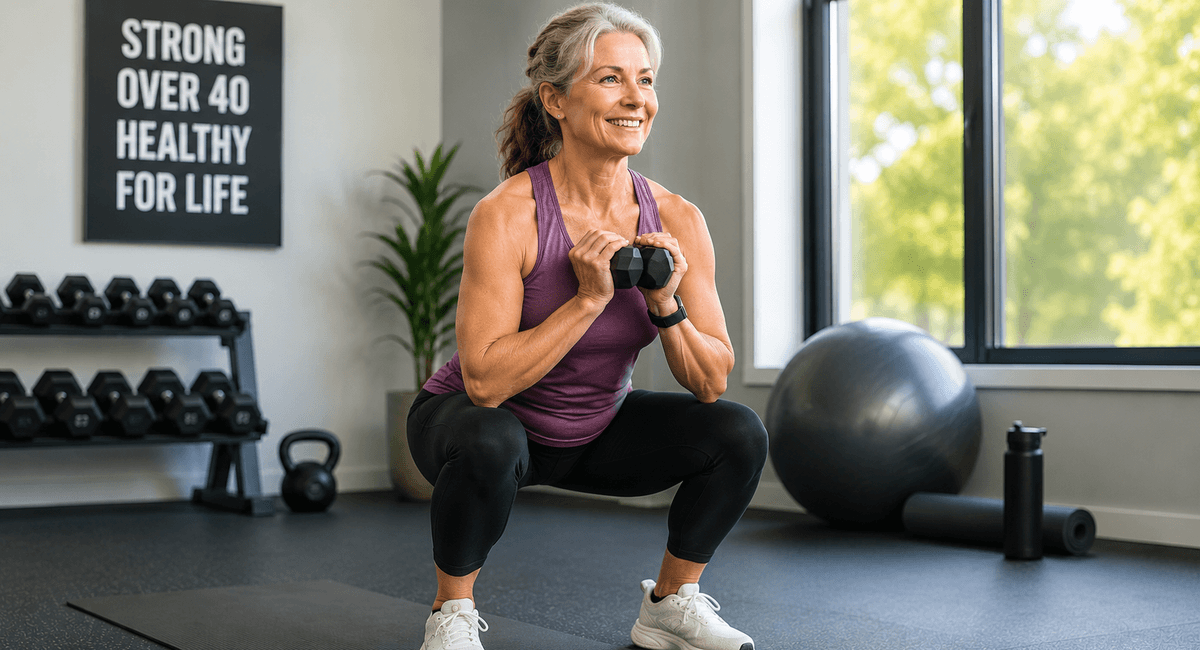
Fitness After 40: The Complete Guide to Looking and Feeling Your Best
Your 40s will be the start of a strong and transformational fitness experience. Working out after 40 is not the same as it was when you were younger but it offers even more benefits. After forty, many individuals believe that they have passed their prime and can never experience the same physical capabilities ever again. That is an entirely unfounded assumption, and it has been refuted by heaps of scientific studies being conducted nowadays.
The right training stimulus will always make your body highly adaptive and responsive. Nonetheless, now you need to be smarter and more deliberate in regards to exercise, nutrition, and recovery. It is more necessary to use a smarter overall approach because of hormonal changes, varying metabolism, and recovery requirements.
How Your Body Changes After 40 and What It Means
Once you pass forty years of age, your body starts to change tremendously and in a very quantifiable manner. Both testosterone and estrogen decrease in concentration, which has an impact on muscle mass and fat distribution. Also, your metabolic rate deteriorates about two or three percent each decade. Thus, the same diet and exercise patterns that were effective in the past just cease to yield.
Moreover, the natural loss in muscle mass is three to eight percent per decade without treatment. The bone density also starts to decrease at a faster rate especially in women nearing menopause. As a result, the changes pose actual challenges that need to be addressed through strategic and conscious lifestyle changes. Intermediate training sessions require the body much longer to recover than when it was twenty-five.
Why Fitness After 40 Is More Important Than Ever Before
The incentives of being fit are actually greater than forty years after. Type two diabetes, heart disease and osteoporosis are chronic diseases that increase in prevalence with age. There is also a need to actively work at maintaining the mass of muscles, bone density, and cardiovascular health. Thus, fitness beyond 40 is a shift in aesthetic quest towards a real health necessity.
In addition, it has always been discovered through research that regular exercise is strongly associated with a substantial decrease in the all-cause mortality of the adults. Individuals that are fit until their forties and beyond are living longer and healthier. As a result, each exercise you do to-day is an investment in your future independence. The importance of mental health benefits also increases as the life pressures increase in the midlife years.
Strength Training: The Most Important Component of Fitness After 40
Why Resistance Training Must Be Your Top Priority
Without any doubts, strength training is the most useful fitness activity one can have when he/she is above forty. It reverses muscle loss, bone density loss, and slow metabolism all at the same time each week. Also, lean muscle construction increases your resting metabolic rate and permanent changes in body composition. Thus, resistance training should be regarded as the cornerstone of your fitness program, and making it non-negotiable.
Moreover, weight lifting enhances insulin sensitivity, decreases inflammation, and promotes hormonal balance in a natural way. These advantages are in response to the biological issues that are the most pronounced once people have reached forty years. As a result, stronger women and men enjoying strength training have significantly improved health results in the long run.
Building Your Strength Training Program From Scratch
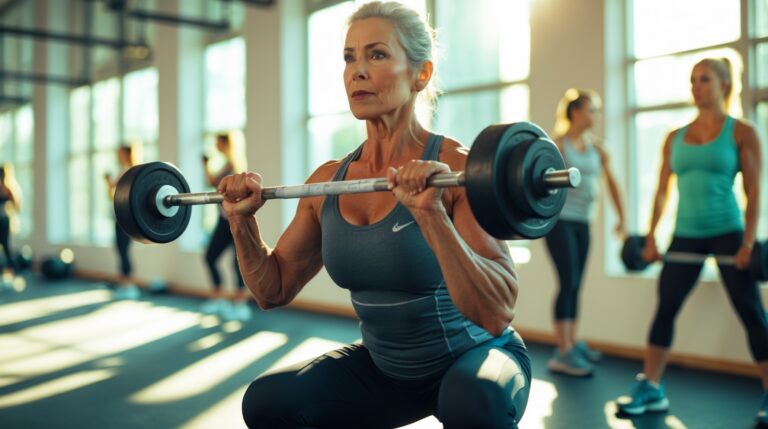
Begin your work-out routine with two to three workouts per week. Pay much attention to the use of compound motions involving the activation of several large muscles at a time during each session. Also, the best exercises that provide the most results per minute spent are squats, deadlifts, rows, presses, and hip thrusts. Thus, the five movement patterns will help you develop a complete and balanced program.
Moreover, progressive overload is the force behind all the significant strength and gains of the muscle you will ever make. Gradually add pounds or reps every one to two weeks. This slow development, therefore, leaves you injury-free and constantly putting your muscles to the test to improve and develop. The most effective duration of each session is forty-five to sixty minutes to optimally respond to the hormones and recovery.
Cardiovascular Fitness After 40: Smart Approaches That Actually Work
Choosing Cardio That Protects Your Joints and Delivers Results
Cardiovascular fitness is something that is of utmost importance in the health of the heart and the wellbeing in general after turning forty. Nevertheless, not every cardio modality fits the bodies older than forty years of age. Moreover, strenuous sports such as running also exert a lot of pressure on the aging joints and connective tissue. Consequently, opting to use less impactful ones safeguards your body without compromising on the high-quality cardiovascular results.
Additionally, walking, cycling, swimming, rowing, and elliptical training is an excellent option in this age group. These are exercises that can be used to raise your heart rate without causing too much stress or risk of injury to your joints. As a result, you will be able to do cardio regularly without having to build up the wear and tear of high intensity training.
Using HIIT Strategically to Boost Metabolism After 40
HIT provides potent metabolic and cardiovascular effects within a short period of time. HIIT may be part of Fitness after 40 provided it is intelligently programmed and adequately recovered. Also, HIIT increases growth hormone, enhances insulin sensitivity and raises metabolism hours later. Thus, one to two HIIT sessions per week will be an effective metabolic instrument to your program.
Moreover, people who are more than forty years old should not take more than twenty and thirty minutes as a maximum duration of HIIT. Prolonged sessions produce too much cortisol reaction that compromises the quality and hormone balance. This means that short and vigorous exercises yield better results than any longer moderate-intensity exercises.
Flexibility and Mobility: The Underrated Pillars of Fitness After 40
Why Mobility Work Becomes Non-Negotiable After 40
After forty, the loss of joint mobility and flexibility becomes measurable without conscious and regular efforts. Stiff thoracic spine, tight hip flexors and limited shoulder range all limit every movement you make. Also, restriction in mobility compels muscles and joints to make up and poses the risk of injury during training. Consequently, mobility work is actually as important as your power exercises that you dedicate every day.
Moreover, a dynamic mobility exercise prior to training conditions your joints to the tasks of lifting. Hip circles, leg swings, thoracic rotations and shoulder warm-ups minimise the risk of injuries. As a result, properly warmed women and men have an improved performance and quicker recovery after each session. The best way of enhancing long term flexibility is through static stretching following training where the muscles are warm.
Yoga and Pilates as Essential Fitness Tools After 40
Yoga and Pilates have distinct and complementary advantages, which cannot be substituted completely through conventional gym training. The practices develop profound core stability, awareness, and functional flexibility at the same session. Moreover, yoga has an impressive effect on cortisol, as well as, sleep quality as it is practiced regularly (once in a week). Thus, incorporation of one or two yoga sessions per week brings about a significant and quantifiable stress-reduction value.
Moreover, Pilates exercises target the deep stabilizing muscles of your core, hips and spine. These stabilizers stabilize your joints when you are on heavy compound movements and decrease the amount of chronic pain considerably. This results in a reduction of injury and an increase in lifting performance in individuals who do Pilates in conjunction with strength training.
Recovery: The Secret Weapon of Fitness After 40
Sleep as Your Most Powerful Performance and Recovery Tool
The most underestimated and underutilized aspect of any fitness program is sleep. It is during deep sleep phases at night that your muscles are repaired, growing and strengthened nearly. Further, sleep deprivation increases cortisol and decreases growth hormone, sabotaging your gains during training. As such, the seven to nine hours of quality sleep a night are truly non-negotiable at all times.
Moreover, sleep deprivation makes strength, endurance, reaction time, and mental focus measurably less. Exercising and getting a bad sleep is like exercising against your body. Therefore, it is always more effective to prioritize sleep over additional workout sessions in order to achieve better fitness. Establish a regular wakefulness-sleep routine, limit the amount of blue light you see at night, and make your bedroom cool.
Managing Stress and Recovery Between Workouts
Stress is one of the biggest impediments to the continuation of fitness past the age of forty. Stress leads to elevated cortisol that actively degrades muscle tissue and leads to fat buildup. Moreover, stress interferes with the quality of your sleep, hormonal balance, and recovery after training. Thus, stress management is a real and a necessary part of an effective fitness program.
Moreover, meditation, deep breathing, journaling, and spending time outside are all effective in lowering the amount of cortisol. A 10-minute mindfulness practice every day shows a significant decrease in stress hormone levels. In turn, stress management practices will help you get faster physical outcomes, regardless of what outcomes you are working towards. Active rest days (light walking, soft yoga, swimming) also contribute greatly to a faster muscle recovery rate.
Nutrition for Fitness After 40: Eating to Perform and Recover
Protein: Your Most Critical Macronutrient After 40
Protein intake is more and more important as you strive to achieve fitness beyond forty. The more your body adapts to using dietary protein to repair and grow muscle, the less efficient the body is in utilizing it. Also, this decreased effectiveness implies that you require more protein compared to younger athletes to attain the same performance. Thus, set a goal of 1g of protein per pound of your target bodyweight daily.
Moreover, even distribution of your protein food over four or five meals maximizes the synthesis of muscle protein. Chicken, eggs, Greek yogurt, and cottage cheese are foods that are leucine-rich and are especially effective. Therefore, the most effective nutrition practice you can develop is to reach your daily protein goal on a regular basis. Protein supplements in the form of whey protein are very convenient.
Supporting Hormones and Energy Through Smart Nutrition Choices
Your hormonal environment is directly and powerfully impacted by what you eat on a day-to-day basis. Avocadoes, olive oil, fatty fish, and nuts contain healthy fats that promote healthy testosterone and estrogen levels. Also, the cruciferous vegetable group such as broccoli, cauliflower, and Brussels sprouts helps in maintaining healthy hormone metabolism.
Moreover, lowering the level of processed sugar and refined carbohydrates enhances insulin sensitivity and lowers inflammation. Anti-inflammatory foods such as fatty fish, leafy greens, turmeric, and berries hasten the post-training recovery. This means that your eating habits have a direct influence on the speed of recovery, as well as your performance.
Sample Weekly Fitness Plan for People Over 40
Monday: Lower Body Strength.
Squats 4×8, deadlifts 3×8, hip thrusts 3×12, lunges 3×10, calf raises 3×15.
Tuesday: Strength, Upper Body.
Bench press 4×8, bent-over rows 4×8, overhead press 3×10, bicep curls 3×12, face pulls 3×15.
Wednesday: Recovery and Mobility.
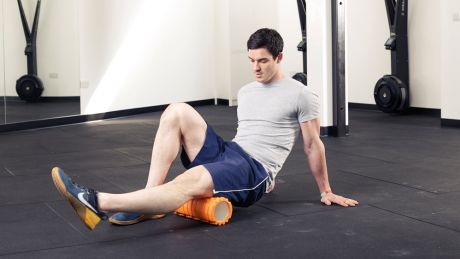
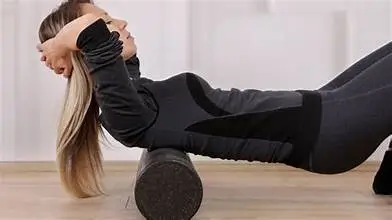
Walking (thirty minutes), Foam rolling (fifteen minutes), yoga or stretching (fifteen minutes).
Thursday: HIIT and Lower Body Strength.
Leg press 3×12, Romanian deadlifts 3×10, glute bridges 3×15, twenty minutes HIIT cycling.
Friday: Core and Upper Body Strength.
Lat pulldown 4×8 or pull-ups, dumbbell row 3×10, shoulder press 3×12, fifteen-minute core circuit.
Saturday: Low-Impact Cardio and Flexibility.
45 minutes of cycling or swimming, twenty minutes of full-body mobility and stretching exercises.
Sunday: Complete Rest
Pay full attention to sleep, nutrition, stress reduction, and psychological and physical rejuvenation.
FAQs
Can one get fit and build muscle at the age of 40 and above?
It is very much possible and totally realistic to get fit and gain considerable muscle after the age of forty. The results of research always prove that old people above forty years are highly responsive to progressive resistance training programs.
What is the optimum number of days per week to exercise when one is over 40?
Combination of strength and cardio training: Four to five days a week is the best. Also, rest days with special focus will prevent overtraining and promote hormonal balance and rest.
What do most individuals over the age of 40 do wrong in their training?
The greatest error is to over-train without giving proper rest between sessions. Moreover, cardio instead of strength training is also a very expensive and widespread mistake.
Are supplements necessary to promote fitness among people aged above 40?
The most evidence-based supplements in this age group are creatine, protein powder, vitamin D, and magnesium. Also, it is always important to have your doctor recommend any new supplementation program to you to get personalized advice.
Conclusion
Fitness after 40 is not about becoming slower but becoming even but with more wisdom and purpose. At all ages and stages your body can change, be strong, and be vital. Moreover, science is solid and consistent in its backing of exercise as the most effective anti-aging intervention. Make strength training, intelligent cardio, mobility training, and purposeful recovery every week a priority.
Moreover, powering your body with sufficient protein and whole foods rich in nutrients enhances all training outcomes. Learn to manage your stress, safeguard your sleep, and be purposeful and intentional about each workout. Those who are physically fit after forty are those who work out regularly and rest smartly.