
What to Eat Before a Workout for Better Energy?
Ever gotten up to exercise and then lost steam? What you eat, when you eat it, when you drink it and how hard you train can all impact how you feel during training. Knowing what to eat before a workout can assist you in fuelling your muscles, controlling hunger and making exercise more comfortable.
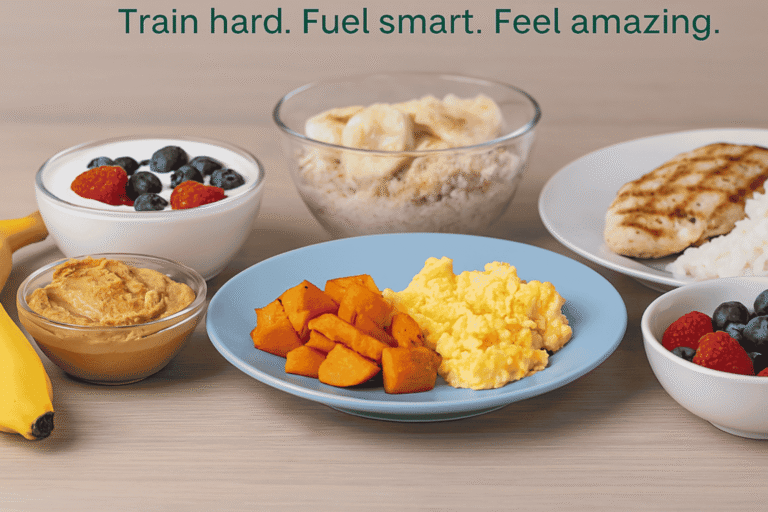
No fancy supplements or complicated meal plans necessary. Pre-exercise foods which provide helpful nutrients include everyday foods like bananas, oats, eggs, yoghurt, rice and wholegrain bread. This guide explains pre workout nutrition, the best pre workout foods, the timing of food around various forms of activity, and how to fuel your body workout energy with meals and snacks with hands on practice.
1. Why Does Pre-Workout Nutrition Matter?
You have the need for energy while walking, running, lifting weights, cycling, and doing other physical activities. Carbohydrates are a necessary fuel source because your body can store carbohydrates as glycogen in the liver and muscles. During exercise, your muscles rely on stored energy to help you move. Eating sufficient amounts throughout the day and planning the right meal prior to training can help you start the session ready to train. A well-balanced pre-workout meal can provide you with a number of benefits, such as:
- Promote exercise performance: Carbohydrate provide energy for activities that depend heavily on them, especially activities that require prolonged or high level of activity.
- Take care of hunger: Train without the distraction of hunger.
- Aid muscle maintenance: Providing amino acids for muscle repair and growth.
- Stay hydrated: Water before working out ensures you are properly hydrated before exercising.
- Make it easier to feel comfortable: If your body does not tolerate a specific food, then this may lead to stomach discomfort, so it is important to choose foods that your body can tolerate.
A special meal prior to every workout isn’t necessary. If you’re planning a quick and easy workout, you probably don’t need to eat much more than you already are. The more strenuous or lengthy the exercise, the more careful one must be in the amount and type of food and fluid consumed.
2. What Should You Eat Before a Workout?
The most useful pre workout nutrition approach is to use appropriate carbohydrate sources in combination with appropriate protein (if applicable) and portion sizes according to the amount of time available before physical activity.
Carbohydrates for energy
Carbohydrates are particularly beneficial before exercise like running, cycling, brisk walking, and high-intensity strength training. Good options include:
- Oatmeal or porridge.
- Fruit, such as bananas (and other fruit).
- Whole grain bread or toast.
- Rice and potatoes.
- Breakfast cereal.
- Fruit smoothies.
For instance, a bowl of oats and banana could be a source of carbs for a future exercise session. If you’re strapped for time, a piece of toast with fruit might be more appropriate.
Protein for muscle support
Protein supports maintenance, growth and repair of muscles. Protein is included in a meal before exercise to help you get your daily dose of protein. Practical choices include:
- Eggs.
- Milk.
- Plain yoghurt.
- Greek yoghurt.
- Chicken.
- Tofu.
- Beans and lentils.
There is no need to consume a substantial amount of protein just prior to training. Take care of the total daily dose and decide on a quantity that makes you comfortable.
What about fats and fibre?
Fats and fibre are good nutrients to have in a balanced diet. But if ingested in large quantities before exercise, it can slow down digestion, or cause discomfort for some individuals. You don’t have to completely eliminate nuts, seeds, avocado or high fibre whole grains from your diet. Just dial up and dial down the sizes and schedules, based on how your body works and what activities are up next.
3. Best Pre-Workout Foods for Better Energy
The following pre workout foods are low cost, simple to prepare, and appropriate for various routines:
| Food | Why it can help | Best time to try it |
| Banana | Provides easily available carbohydrates | Around 15–60 minutes before exercise, depending on tolerance |
| Oatmeal with milk | Provides carbohydrates and some protein | Around 1–3 hours before |
| Eggs with toast | Combines protein and carbohydrates | Around 2–3 hours before |
| Yoghurt with fruit | Provides carbohydrates and protein | Around 1–2 hours before |
| Rice with chicken | Provides a substantial carbohydrate and protein meal | Around 2–4 hours before |
| Toast with a small amount of peanut butter | Provides carbohydrates, with some protein and fat | Around 1–2 hours before, depending on portion |
| Fruit smoothie with milk | Provides fluids, carbohydrates, and protein | Around 30–90 minutes before, depending on size |
These are guidelines, not rules. The results vary depending on individual digestion, portion size, food preference and intensity of exercise.
4. When Should You Eat Before a Workout?
The “when” of meals is as important as the “what. A big meal right before strenuous activity can lead to an uncomfortable tummy, and working out too soon after a skip of food can leave some feeling hungry or lacking in energy. This table is provided as a starting point:
| Time before exercise | What to eat | Example |
| 3–4 hours | A balanced, substantial meal | Rice, chicken, and cooked vegetables |
| 2–3 hours | A moderate meal containing carbohydrates and protein | Eggs with toast and fruit |
| 1–2 hours | A smaller meal or substantial snack | Yoghurt with oats and banana |
| 30–60 minutes | A light, easily digested snack if needed | Banana or a small smoothie |
| Less than 30 minutes | A small, familiar carbohydrate option if tolerated | A few bites of banana or a little fruit juice |
You might not need another snack if you’ve had a well-balanced meal recently and are feeling well. Don’t eat before training just because it’s suggested in a training schedule. The Academy of Nutrition and Dietetics gives more details about timing pre- and post-workout nutrition.
5. What to Eat Before Different Types of Workouts
Your perfect meal is based on the activity, length and intensity of the activity.
Before strength training
Strength training is a form of resistance training that involves multiple sets of activity using energy. A meal with carbohydrates and protein is a sensible option if you are working out.
Meal idea: 2 eggs, whole grain toast, and fruit 2 hours prior to training if comfortable. A banana or little yoghurt might be easier to cope with than a meal right after waking up.
Before cardio
As duration and intensity of running, cycling, swimming and other cardiovascular exercise increases, so can the amount of carbs needed. Approximate time for eating: 1-3 hours before.
Meal idea: Oatmeal with banana and milk. If you ate a normal diet, then for a short, easy walk, you probably won’t need extra food. If you are looking for a more intense workout or a longer cardio session, make a plan for your meal and fluid intake.
Before a morning workout
If you do not have that sensation of hunger as soon as you waken from sleep, early training may be challenging. Consider any of the following:
- For a quick session, a banana and water are provided.
- Add a small amount of honey to toast, if desired.
- A cup of 100% fruit juice.
- Yoghurt and small amount of cereal.
If you choose not to eat before training, take into account the intensity and length of the training. While there are some who do well with fasted low intensity exercise, others may benefit from eating food or drinks before getting into a longer or more challenging workout.
Before an evening workout
If training after work or after studying, try to avoid having a heavy meal just before training. Recommendation: Prepare chicken, rice, and vegetables a few hours prior to training and consume them during training and a small snack if necessary. Have lunch and afternoon meal planned ahead to avoid getting too hungry to go to the gym.
6. A Simple One-Day Pre-Workout Meal Plan
There’s no need to purchase specialized products to arrange your meals around training. If you’re exercising in the late afternoon, try this out. If you have a late afternoon workout, use this example:
| Time | Meal | Purpose |
| 8:00 am | Eggs with wholegrain toast and fruit | Provides protein and carbohydrates |
| 12:30 pm | Rice or wholegrain bread with chicken, beans, or lentils and vegetables | Supplies energy and a balanced mix of nutrients |
| 3:30 pm | Banana with yoghurt | A convenient snack before training |
| 4:30–5:00 pm | Workout | Exercise at a suitable intensity |
| After training | A balanced meal containing protein and carbohydrates | Supports recovery and replenishes energy |
Modify quantities to suit appetite, weight, activity level and objectives. This is a sample schedule and not a personalised calorie prescription. When you are looking to build muscle, consume a sufficient amount of calories to fuel your workouts and recovery. If you want to lose fat, you don’t need to restrict your overall energy intake, including carbohydrates, and aren’t bound to skip meals in order to do this.
7. What Should You Drink Before Exercise?
Hydration is important for normal body temperature and physical performance. Starting an exercise program when you’re not properly hydrated will make it harder to exercise, especially in hot weather. When taking part in standard exercise:
- Take water frequently during the day.
- Make sure you drink water before training, particularly if you haven’t had any water recently.
- Be more cognizant of hydration needs in hot weather or when working hard in hot conditions.
- Don’t overindulge in large quantities over a short period of time.
Sports drinks are not necessary for all people. For most longer, more intense sessions, more carbohydrates and electrolytes than water may be necessary based on factors such as sweat losses and the duration of the session. For additional information refer to the American College of Sports Medicine’s sports nutrition resources.
8. Common Pre-Workout Eating Mistakes
Sometimes, healthy foods may feel not quite right if consumed in the incorrect amount or at an inappropriate time:
| Mistake | Why it can be a problem | Better approach |
| Eating a large meal immediately before exercise | May cause heaviness or stomach discomfort | Allow more digestion time |
| Avoiding carbohydrates completely | May make demanding exercise harder for some people | Include suitable carbohydrate sources |
| Eating too little throughout the day | Can leave you hungry or under-fuelled | Maintain balanced meals and snacks |
| Trying unfamiliar supplements before training | May cause unexpected side effects | Test familiar foods first |
| Drinking too little | Can contribute to dehydration | Drink regularly and plan for the conditions |
| Eating too much fat just before intense exercise | May slow digestion for some people | Choose smaller, easier-to-digest portions |
| Copying another person’s meal plan | Needs vary by individual and workout | Adjust portions and timing to your needs |
It is not important to have a flawless dietary plan in order to get benefits from good nutrition. It’s often more important to have a consistent intake throughout the day of one food that’s not quite perfect than of a range of foods.
9. Do You Need Pre-Workout Supplements?
Not necessarily. Most can follow a standard diet of food, snacks and water and stay active. Some companies use caffeine, stimulants or a mixture of ingredients in their pre-workout products. The effects/risk can differ among products and people. Some products may cause jitters, digestive problems, sleep disruption, or an increased heart rate.
If you decide to take a supplement, read the ingredients, dosage and safety warnings. Seek the advice of a medical expert if you are taking medicine, have a medical condition, are pregnant or if you are not sure whether a product is suitable for you. Food should continue to be the basis for your daily routine. A supplement can’t replace a nutritious diet, good sleep or recovery.
Final Thoughts
Understanding what to eat before a workout as a complex diet is not necessary. Select familiar foods that satisfy energy needs, if applicable, include protein, drink adequate water and allow time for digestion. Some people find it a good idea to eat a banana before a short workout, or oats and milk before a longer workout.
Try out various timing and amounts in regular training sessions and maintain the one that leaves you feeling comfortable and energetic. The most effective pre workout nutrition plan is one that suits your schedule, activity, appetite, and goals. Work on healthy habits and eating times—don’t worry about expensive products or rules.