Best Outdoor Workouts for Beginners
You don’t have to join a costly gym or buy fancy equipment to begin a fitness program. There are plenty of opportunities to get active with parks, walking trails, open spaces and even your own streets.
Outdoor workouts for beginners are especially beneficial if they can be done outdoors and in a different place to get some fresh air and change of scenery while exercising. If you are looking to increase your fitness level, lose weight, gain strength or simply get a healthier lifestyle, there are a few ways you can exercise outside.
Beginners should however, start slowly and perform those exercises that are easy for them. It can help you build confidence and stay consistent if you select exercises you can do in your current state of fitness. This guide will introduce you to the best outdoor workout exercises for beginners, an easy exercise plan for the week as well as some tips for safely exercising outside.
Why Should Beginners Try Outdoor Workouts?
The great thing about exercise outside your home is that you have the freedom to pick the activities that you can do based on the amount of time you have, your fitness level, and the environment. Some of the advantages are:
- Accessibility: There are not many activities that will need any equipment or safety gear for an outdoor activity.
- Improved Fitness: Walking, cycling and body weight helps to improve cardiovascular fitness and muscular strength.
- Mental wellbeing: Being outside can offer a change of scene and allow for a break from indoor activities.
- Variety: This can be varied to help keep you motivated by changing the place of your exercise and activities.
- Flexibility: sessions can be adapted to your schedule and held outdoors.
Just because it’s outdoors, doesn’t mean it’s superior to training indoors. Both can help you reach your fitness objectives. The most optimal choice is the one that you can do safely and consistently.
Best Outdoor Workouts for Beginners
The following beginner outdoor workouts are appropriate for those wanting to increase their activity level but not yet ready for the challenging activities of training.
1. Brisk Walking
Walking is among the simplest methods to begin exercising in the outdoors. Requires little equipment and can be done in walking trails, neighbourhoods and parks. Start at a relaxed speed and work up to faster speeds the further you go.
How to get started:
- Walk for 15–20 minutes.
- Select a path that is fairly level.
- Maintain a level of exercise that just raises your breathing rate.
- Increase the length of time you are walking.
- Wear comfortable shoes.
The walking exercise is especially helpful for those starting out after a long period of inactivity.
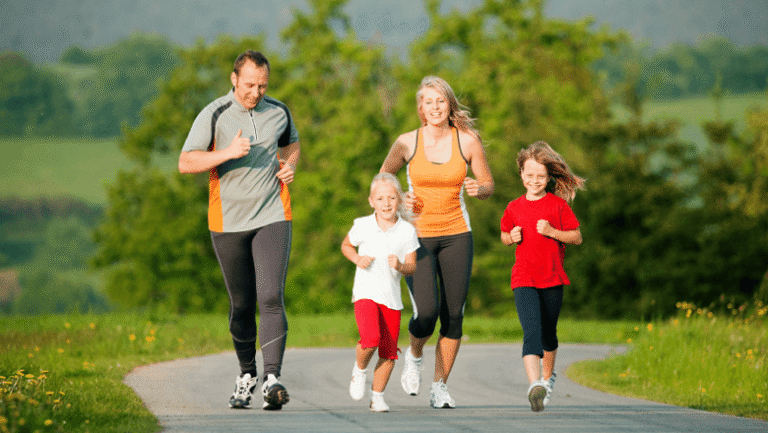
2. Outdoor Jogging
Once you can comfortably walk for extended periods, add in short bouts of jogging. Do not run for long periods, alternate between walking and light jogging.
Beginner example:
| Activity | Duration |
| Easy walking | 5 minutes |
| Light jogging | 1 minute |
| Walking | 2 minutes |
| Repeat jogging and walking | 10 minutes |
| Cool-down walk | 5 minutes |
Modify the time intervals as per your level of fitness. Control your breathing and keep it at a comfortable pace.
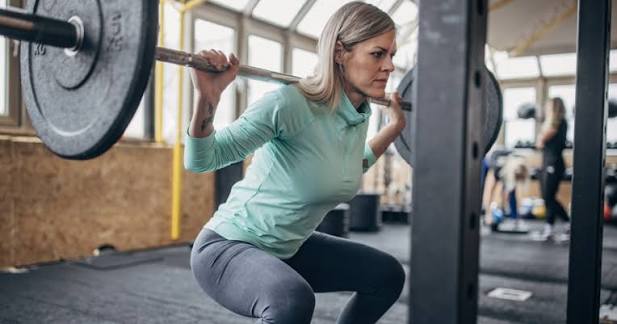
3. Bodyweight Squats
Squats are a great lower body workout exercise. They target the quadriceps, glutes and other muscles involved in everyday movements. They can be done in a park or other level area outdoors without equipment.
How to perform them:
- Stand facing, feet about shoulder width apart.
- Maintain a good posture with your chest up and your back comfortable.
- Bend your knees and move your hips backwards.
- Slowly drop down as low as you can manage.
- Step back with feet to stand up again.
Begin with two series of 8–10 reps.
4. Incline Push-Ups
The regular push up may be challenging for novice. If you cannot do push-ups, you can perform them with your hands on a stable raised surface, like a bench, to make them easier. They work on the chest, shoulders and triceps.
How to perform them:
- Get a stable, secure surface like an appropriate exercise bench.
- Your hands are slightly wider than shoulder width.
- Back step into correct body position.
- Bend elbows and bring chest down towards the surface.
- Step back to starting position.
Begin with 2 sets of 8–10 repetitions. Do not place on uneven ground.
5. Walking Lunges
Walking lunges provide a great workout for the legs and glutes, while also testing balance and coordination. They can be done in an open area where they can manoeuvre safely.
How to perform them:
- With feet hip-width apart and standing upright.
- Step forward in a comfortable manner.
- Bend both knees, keeping control.
- Step through with front leg to stand.
- Do with other leg.
Begin with 6-8 repetitions on each leg. For the balance, do stationary lunges while holding onto a stable support.
6. Step-Ups
Step-up exercises can help to enhance lower body strength and overall mobility. Do exercises on a low step or appropriate platform that will bear your weight to maintain a steady height.
How to perform them:
- Stand facing the platform.
- Place one foot securely on top.
- Step up by pushing through that foot.
- Step other foot onto platform.
- Slowly step down and repeat with the other leg.
Start by doing 8 reps per leg. Do not stand on or top of unstable or raised surfaces.
7. Cycling
Bicycling can be a fun way to get outdoors and enjoy exercising your heart and legs. For the novice, begin on shorter routes on relatively quiet, flat roads.
Beginner cycling tips:
- Start with 15–20 minutes.
- Choose a suitable bicycle and adjust the seat height.
- Use a properly fitting helmet.
- Follow traffic rules and use appropriate cycling paths.
- Increase distance gradually.
Cycling can be beneficial if you enjoy running but don’t like to run outdoors.
8. Outdoor Stair Walking
Staircases can be a test of the cardiovascular system, and help build muscles in the lower body. Take a few steps and take it easy! If there is a hand rail, use it particularly if you have never done the activity. When starting out, don’t run upstairs or repeat fast efforts.
9. Hiking on Easy Trails
Hiking is a combined activity of walking and exploring the outdoors. It can boost your stamina and still let you enjoy the nature! Select short, well-marked trails that have moderate inclines.
In the first few hikes:
- Use a short circuit.
- Wear suitable footwear.
- Carry drinking water.
- Read the weather forecast.
- Make sure to let someone know your destination.
- Don’t try to do anything difficult until you have acquired experience.
As you become fitter, slowly build up the distance and challenge.
A Simple 30-Minute Outdoor Workout for Beginners
If you like a structured workout to try the following workout in a park or other safe open area:
| Exercise | Duration or repetitions |
| Easy walking warm-up | 5 minutes |
| Bodyweight squats | 10 repetitions |
| Incline push-ups | 8 repetitions |
| Walking lunges | 8 per leg |
| Easy walking | 3 minutes |
| Step-ups | 8 per leg |
| Brisk walking | 5 minutes |
| Gentle cool-down | 3 minutes |
Do strength exercises at a controlled speed, with breaks if needed. One round can be done first and workload can be ramped up as fitness levels build. If your form is beginning to fall apart on a given rep, do not keep going that rep; stop when it is no longer going well.
How Often Should Beginners Do Outdoor Workouts?
When starting out, it’s important to establish a regular workout schedule rather than working out a lot every day. A realistic introduction programme might be three planned outdoor sessions plus some light movement.
| Day | Activity |
| Monday | 20-minute brisk walk |
| Tuesday | Rest or gentle walking |
| Wednesday | 30-minute outdoor bodyweight workout |
| Thursday | Complete rest |
| Friday | 20-minute walk and light jogging |
| Saturday | Easy cycling or hiking |
| Sunday | Rest |
Depending on fitness level, time and recovery, make adjustments to the schedule. The World Health Organization (WHO) advises moderate-intensity aerobic exercise for adults, specifically 150-300 minutes a week, or the same amount of vigorous exercise, plus muscle-strengthening exercises at least two days a week for general health. These goals are to be achieved step by step and by a beginner not at once. Begin with small portions of activities and build up slowly.
Essential Tips for Safe Outdoor Exercise
When exercising outside, there are a few extra precautions to take since the weather, surfaces and surroundings may impact your safety.
1. Choose Suitable Clothing and Footwear
Clothing to wear should be comfortable, fit for the activity, and allow for freedom of movement in shoes. For a normal walk, walking shoes are adequate, but for a hike, hiking shoes are necessary.
2. Stay Hydrated
Bring water, especially for longer practice sessions or when the weather is hot. Do not exercise outside in extreme heat.
3. Exercise at Suitable Times
When hot weather prevails, opt for cooler morning or evening times, if available. Be aware of the weather before longer outdoor activities.
4. Warm Up Before Exercising
Start with 5-10 minutes of gentle walking or movement. This will give you a chance to ease into it before more challenging movements.
5. Increase Intensity Gradually
Avoid to suddenly hike up your exercise time, distance and intensity. Be slow to make any changes and let your body adjust.
6. Pay Attention to Your Body
Discontinue exercise if a chest pain, dizziness, faintness or unusual degree of breathlessness occurs. Provide suitable medical care if needed.
Common Mistakes Beginners Should Avoid
- Too strong, too soon: Exercise can be too hard if it’s too intense on the first day, or if an exercise is too tough on the first time.
- Poor squat, lunge, push-up technique: This can make it more uncomfortable and less effective to exercise.
- Recovery: There should be lighter days and plenty of rest in your program.
- Inappropriate routes: Poor hiking or biking routes are not good places to start.
- Having the expectation of quick results: Fitness gains do not come easily and overnight.
Frequently Asked Questions
What Is the Easiest Outdoor Workout for Beginners?
Walking is typically one of the simplest places to begin. Uses very little equipment and can be modified to suit ability.
Can I Lose Weight With Outdoor Workouts?
Yes. Walking, jogging, cycling and hiking outside can also help with the energy expenditure. But diet, lifestyle and individual factors also play a role in weight loss.
How Long Should a Beginner Exercise Outdoors?
Start with approximately 15–30 minutes per session, depending on your fitness level. Work up to a longer time as you become more stamina.
Do I Need Equipment for Outdoor Fitness?
Not necessarily. Little to no equipment is needed for walking, jogging, squats, lunges and incline push-ups. Useful starting equipment is suitable shoes or boots and a water bottle.
Is Outdoor Exercise Better Than Gym Training?
There is no one right or wrong option. There are advantages to both outdoor exercise and gyms, such as having access to nature and equipment, and having a controlled environment. Select the one that best fits your objectives and consistency.
Final Thoughts
Getting a gym program going in the outdoors can be as simple as it gets. Walking, jogging, cycling, bodyweight exercises and easy hiking are all viable options to get fit without having to spend a lot of money on equipment.
The best outdoor workouts for beginners are the ones that are at the right level for you and will allow you to learn at a steady pace. Start with short sessions, focus on recovery and ramp up activity as confidence and stamina build. You don’t have to get everything right in the first week. Think about creating a plan that works for you and is sustainable.