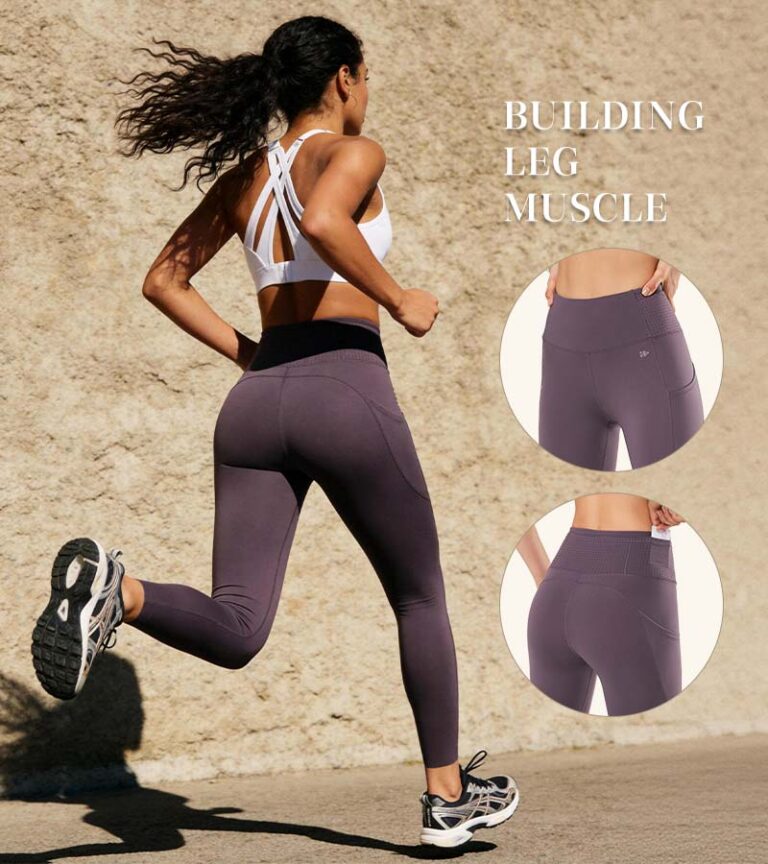

Does Running Build Muscle? What the Science Says
If you’ve ever wondered whether your daily runs are doing anything for your muscles, you’re not alone. It’s one of the most common questions runners ask, and the answer isn’t as straightforward as you might think.
Running does build some muscle, but it’s not the muscle-building powerhouse that lifting weights is. When you run, you’re primarily working your lower body muscles in a repetitive, endurance-focused way. This means you’ll see some muscle development, especially if you’re new to running, but don’t expect to bulk up like a bodybuilder.
Which Muscles Does Running Build?
The muscles that benefit most from running are your calves, quads, hamstrings, and glutes. These get worked with every stride you take. Your core muscles also get some action as they work to keep you stable and upright. The catch is that running builds lean, endurance-oriented muscle fibers rather than the larger, strength-focused fibers you’d develop from resistance training.
Beginning runners often notice the most muscle growth. If you’ve been sedentary and start a running routine, your legs will likely get noticeably more toned and defined within a few weeks. But experienced runners hit a plateau pretty quickly. Once your muscles adapt to the demands of running, they stop growing and just maintain their current size.
How Different Types of Running Affect Muscle Growth
The type of running you do matters too. Sprinting and hill running create more muscle-building stimulus than easy, long-distance runs. When you sprint or charge up a hill, you’re forcing your muscles to work harder and generate more power, which signals them to grow stronger and sometimes slightly larger. Distance running, on the other hand, trains your body for efficiency rather than size.
Here’s something many runners don’t realize: running too much can actually work against muscle building. When you rack up serious mileage without proper nutrition, your body might break down muscle tissue for energy. This is especially true if you’re not eating enough protein or calories to support both your running and muscle maintenance.
How to Build Muscle While Running
So what should you do if you want to build muscle while running? First, mix in some variety. Add sprint intervals or hill workouts once or twice a week instead of just logging easy miles. These higher-intensity sessions recruit more muscle fibers and create a better environment for muscle growth.
Second, don’t skip strength training. Hitting the weights two or three times a week will do far more for muscle building than running alone ever could. You don’t need to spend hours in the gym either. Focused sessions targeting your major muscle groups will complement your running perfectly and help prevent the muscle loss that can come with high mileage.
Third, eat enough protein. Runners often focus on carbs and forget that protein is crucial for muscle repair and growth. Aim for about 0.7 to 1 gram of protein per pound of body weight, spread throughout the day.
Running vs. Strength Training for Muscle Building
| Factor | Running | Strength Training |
|---|---|---|
| Muscle growth potential | Low to moderate | High |
| Best for | Endurance muscles | Power and size |
| Muscle fiber type | Type I (slow-twitch) | Type II (fast-twitch) |
| Time to see results | 2-4 weeks (beginners) | 4-8 weeks |
| Upper body development | Minimal | Significant |
| Lower body development | Moderate | High |
FAQs
Does running make your legs bigger?
Running typically makes your legs leaner and more toned rather than bigger. Sprinters may develop more muscular legs due to the explosive nature of their training, but distance runners usually develop slim, defined muscles.
Can you build muscle by running every day?
Running every day without rest can actually prevent muscle growth. Your muscles need recovery time to repair and grow. If building muscle is your goal, combine running with strength training and rest days.
Will running make me lose muscle?
Running can cause muscle loss if you’re not eating enough calories and protein to support your training. Long-distance running especially can break down muscle tissue if you’re in a caloric deficit.
Is running or lifting better for building muscle?
Lifting weights is far more effective for building muscle mass. Running builds endurance and tones muscles but doesn’t create the same growth stimulus that resistance training does.
How much protein do runners need to build muscle?
Runners looking to build muscle should aim for 0.7 to 1 gram of protein per pound of body weight daily. Spread protein intake throughout the day for optimal muscle recovery and growth.
Does running uphill build more muscle?
Yes, hill running recruits more muscle fibers and creates greater resistance than flat running, making it more effective for building leg muscle strength and size.
Conclusion
The bottom line? Running builds some muscle, particularly for beginners and when you incorporate faster, more intense workouts. But if building significant muscle mass is your goal, you’ll need to combine your running with proper strength training and nutrition. Running alone will keep you lean and toned, but it won’t pack on serious muscle mass.
Think of running as a tool for maintaining muscle and building endurance, not as your primary muscle-building strategy. The best approach is a balanced routine that includes varied running workouts, strength training sessions, adequate rest, and proper nutrition. This combination will give you the best of both worlds: the cardiovascular benefits and lean physique of a runner, plus the strength and muscle definition that comes from resistance training.