Foam Rolling for Better Mobility and Recovery
Foam rolling is popular among athletes, amateurs, and people with inactive ways of life. The technique consists of slow movements and aims at tight muscles in a gentle manner. It is beneficial in reducing the stiffness and enhancing the movement of the body in general without straining the body. Foam rolling is a recommended type of training equipment by many fitness professionals.
The learning process is simple and equipment needed is a foam roller. Flexibility can be enhanced by habitual use and pain alleviated by tight muscles. It also makes the body ready to work out better and to perform better in the daily activities. Foam rolling is available, cheap, and can be used by individuals of various fitness levels.
What Is Foam Rolling
Foam rolling is a self massage method where one uses a roller tool that is a cylinder of foam. It is often referred to as self myofascial release in fitness and therapy. Fascia is a connective tissue that encloses muscles and it provides support of movement patterns. Fascia tightness may restrict movement and result in muscle pain.
Foam rolling is used to roll the muscles to release tension and enhance muscle functionality. This assists in relaxing the muscles and enables the free movement of the whole body. Foam rollers are available in different densities sizes and surface textures. Novices are recommended to use softer rollers, then increase with firmer ones. Learning the method enables users to obtain improved outcomes of the foam rolling exercises.
Benefits of Foam Rolling
Foam rolling has several advantages that facilitate physical health and recovery performance. It acts by enhancing circulation that decreases tension and increases muscle flexibility in the long-term. Foam rollers are used by many individuals to keep them mobile and avoid stiffness due to everyday work.
It can also be used with individuals sitting long hours, who find their muscles tight. Foam rolling can be done regularly to increase comfort and enhance the efficiency of body movement. It is an easy technique that yields the same results every time it is exercised.
Improves Mobility and Flexibility
Foam rolling is very important in loosening tight muscles and enhances movement of the joints. It makes one more flexible without the need to do extreme stretching or intricate workouts every day. This makes the body move around freely during exercises and in day to day activities easily. Enhanced mobility also enhances posture and decrease joints and muscle strain.
Reduces Muscle Soreness
After exercise, muscle soreness is a common occurrence because it results in tiny tears in muscle fibers. Foam rolling can also be used to alleviate soreness by enhancing blood circulation in the region of the muscle. This enables nutrients to be absorbed by the muscles more quickly and help their faster recovery following exercises. It also makes you feel better when moving around by eliminating stiffness. Regular exercise will reduce delayed muscle soreness that occurs following strenuous exercise.
Enhances Blood Circulation
Foam rolling helps to stimulate circulation by exerting pressure to muscles and soft tissues. The enhanced blood circulation brings oxygen and nutrients that are required in the process of muscle repair. It is also done to eliminate waste products that accumulate following physical activity sessions. Improved circulation means less fatigue, increased energy levels in general during the day. The increased circulation also helps in quicker healing and better performance of the muscle with time.
Helps in Injury Prevention
Squeezed muscles may pose a risk of strains and injuries in physical activity. The foam rolling helps maintain the flexibility of muscles and decreases tension, which can cause injury. It warms up the body prior to exercising and enhances muscle coordination during the patterns of movement. This may be done through consistent use to ensure there is a balance and to avoid the frequent workout related injuries. This renders foam rolling a significant component in injury prevention measures.
Supports Faster Recovery
Making sure that performance is remained and that long term muscle fatigue problems are not experienced requires recovery. Quick recovery will ensure continuity in training and enhance fitness gains in general. This renders foam rolling useful among athletes and other fitness enthusiasts in general.
How Foam Rolling Improves Mobility
The mobility is determined by the effectiveness of muscles joints and connective tissues. The tight muscles limit the movement and decrease the range of movement in the activity. Foam rolling works on these tight spots and gets the tension that is stored in the tissues. This enhances flexibility and the joints become more free to move without any pain. It is also useful in correcting muscle imbalances due to bad posture or monotonous movements. Increased mobility results in a more regular pattern of movement and physical performance in general. Foam rolling also makes one more aware of their body and allows them to learn where there is tension.
When to Use Foam Rolling
Depending on your fitness objectives, foam rolling can be applied at various times. It works prior to the exercises following exercise and even during rest days on a regular basis.
Before Workout
Foam rolling before an exercise is used to warm up the muscles to work. It enhances blood circulation and makes the blood more flexible that minimizes the risk of injury during exercises. This is an effective warm up that can stimulate muscles and enhanced performance during training sessions. It also conditions joints to move and increases the coordination in physical activities.
After Workout
After exercise, it is recommended to foam roll to relieve soreness and stretch out sore muscles. It aids in healing processes by enhancing blood flow and eliminating wastes in muscles. This will avoid stiffness and keeps muscles flexible to be used in subsequent training. It also helps to relax and decreases fatigue after strenuous exercises.
On Rest Days
Rest days Foam rolling can be used to keep the muscles healthy and free of stiffness accumulation. It maintains the muscles in motion without straining and promotes the constant recovery. This makes sure that your body is prepared to take the next exercise session.
How to Use a Foam Roller
The proper use of the foam roller will make sure you get the best out of the routine. Put the roller under the muscle area being targeted and slowly press the body. Slowly move forward and back with caution over the position of your body. Roll each group of muscles between twenty to thirty seconds to attain success. Take a deep breath in the process to aid the muscles to be relaxed and relieve tension. In case you find a tender point stop and press it a few seconds.
Upper Back Roll
Lay on your back and put the roller under your upper part of the back. Place hands behind head and roll slowly up and down. This assists in relieving tension in the upper back and also gives a much better posture. It can be applied to those people who spend a lot of time at desks.
Hamstring Roll
Lie on the ground and the roller in a comfortable position under your thighs. Support hands and roll back and forth. This acts on the hamstrings and makes the hamstrings less tight due to sitting. It enhances flexibility and lessens the back of the leg discomfort.
Calf Roll
Sit with your legs straight, and roller under your lower legs. Slowly roll ankles to knees. This will alleviate tightness in calves and enhance circulation of lower leg muscles. It also helps in enhancing movement when walking, running and jumping.
IT Band Roll
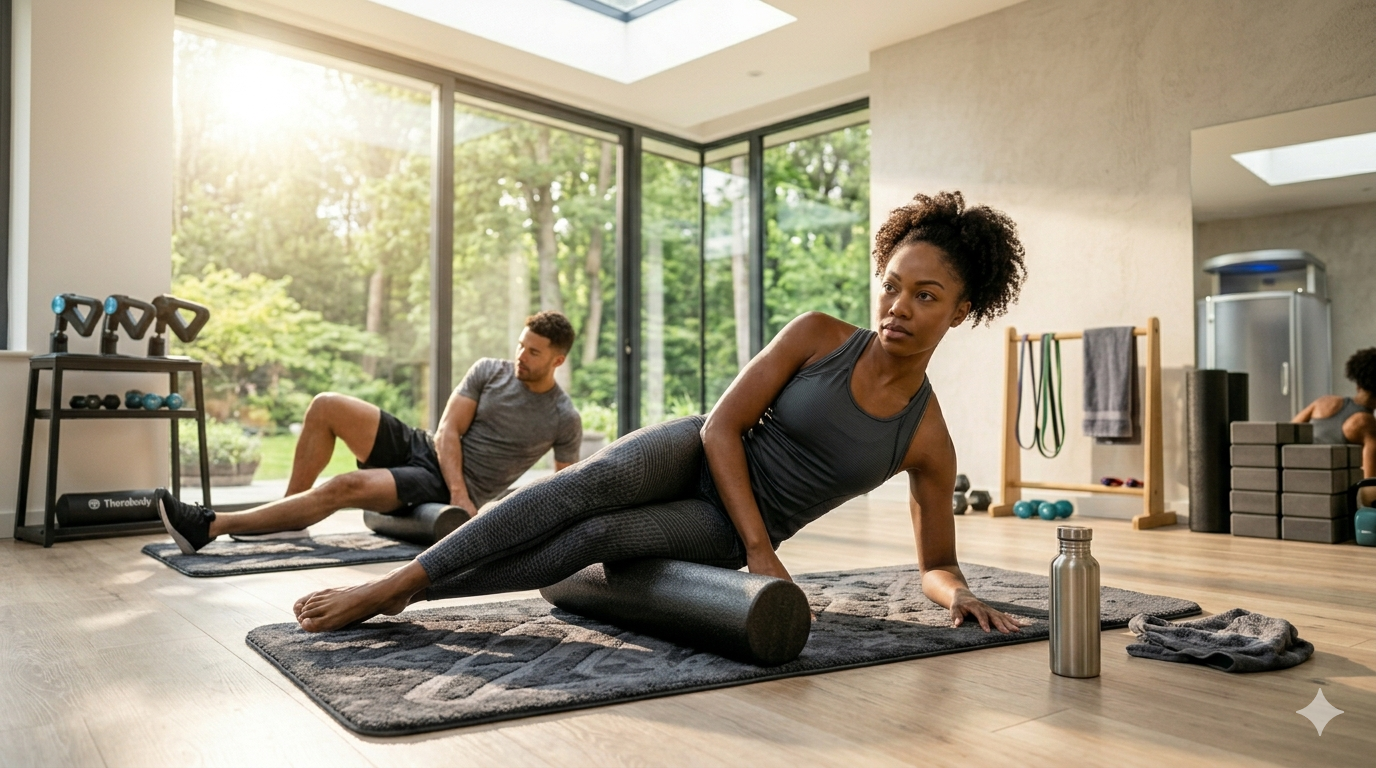
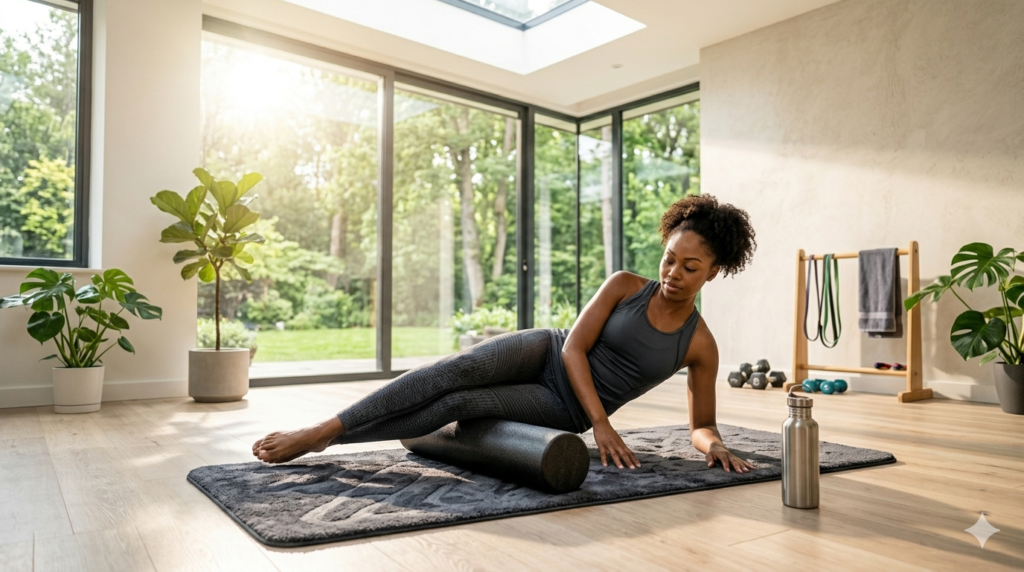
Lay on your side and the roller under your outer thigh. Use your arms to support your body and roll slowly on your side of the leg. The exercise involves attacking the IT band and is effective in easing tension.
Foam Rolling Routine for Beginners
Take some time on each area without pressing hard in the first place. Take care of the controlled movements and correct breathing with every rolling session. An entire body workout can be done in ten to fifteen minutes a day. Consistency is more important than intensity when starting foam rolling for beginners. With time you may extend time and experiment with a lot more sophisticated methods.
Common Mistakes to Avoid
There are several errors that are committed by many individuals which diminish the efficiency of foam rolling exercises. The most common mistake that confines the advantages of this method is rolling excessively. Excessive pressure may be painful and lead to unwarranted discomfort. Disregarding pain signals can make one more prone to injury rather than avoid problems. When rolling, care must be taken not to roll directly over the joints or bones to avoid discomfort. Missing routine practice decreases the potential long term effects of foam rolling exercises.
Who Should Use Foam Rolling
Foam rolling can be used with a broad spectrum of individuals of varying fitness levels. It is used by athletes to aid in recovery and performance through training seasons. Foam rolling can help beginners to alleviate stiffness and enhance flexibility with time. Foam rolling can help office workers in getting rid of the tension that comes about due to long sitting hours. Can also be applied by other people who feel tightness or restricted movement in their muscles.
Safety and Precautions
Foam rolling is normally safe though there are few precautions to be taken into consideration. Avoid using foam rolling on injured or inflamed areas without medical advice. Foam rolling routines should be started with a professional consultation with people that have medical conditions. Use gentle pressure and build-up to prevent pain or harm.
FAQs
What is the frequency of foam rolling?
The number of times to roll on the foam roller every week should be based on the level of activity. Flexibility and minimizing muscle tightness can be preserved in the long-term with regular use. The frequency is not crucial to long term recovery benefits compared to consistency.
Do foam rolling cause pain?
The foam rolling should not be too painful but should be somewhat uncomfortable. The slight pain is normal when working on tight muscles and sensitive parts. Alter pressure and method to make experience comfortable and effective.
Is foam rolling a substitute of stretching?
Foam rolling is used to enhance stretching, but is not directly substitutive of traditional stretching. The two methods can be used together to enhance flexibility and mobility. Both of them should be part of your routine as they offer more overall muscle health benefits.
Are there any benefits to foam rolling back pain?
Foam rolling may be used to decrease the back pain associated with tightness and tension of muscles. It enhances blood flow and relaxation of muscles surrounding the spine. Nevertheless, a medical expert must assess the extent of pain prior to treatment regardless of how painful it may be.
Conclusion
It assists the muscles to relax and enables the daily movements to be improved. Flexibility can be enhanced and overall physical performance can be greatly enforced through regular use. It is user-friendly and can be used by individuals of any fitness level. Foam rolling can become a part of your routine and result in long term health benefits.