
How Much Protein Should You Eat to Build Muscle?
Protein is still the backbone of anyone who wants to build up the strength of their body. It contains all the amino acids necessary for continuous repair and growth of the body’s tissues. This macronutrient plays an active role in muscle protein synthesis during the recovery phase of the day. Post resistance training, it is crucial to eat enough protein to get the results you want. High protein diets also promote maintenance of lean mass during fat loss periods.
Every fibre in your body is a protein. These amino acids allow your muscles to recover from lifting stress if you are without them. This nutrient helps with the biological mechanisms that lead to a bigger, stronger body. It protects against muscle loss during a calorie deficient period. If protein is kept constant in your system, you will remain in anabolic state.
Why Protein Matters for Muscle Growth
Protein growth requires there to be a net gain of protein in the cells. Heavy lifting damages the muscle fibres. Protein is used to repair these small tears that occur within the structure. This repair process will eventually result in thicker fibers and greater muscle mass. Long-term physical gains will only come if you have a consistent protein for muscle building.
The pathways for new tissue production are activated by the amino acids in food. If protein is lacking, your body can go into a catabolic state and begin to lose body mass. It also helps to control several hormones that control your body composition. Consuming a high-protein diet allows for greater fullness and hence easier maintenance of a very lean diet. Each eating occasion is an ideal opportunity to jumpstart the next growth spurt.
How Muscle Building Actually Happens
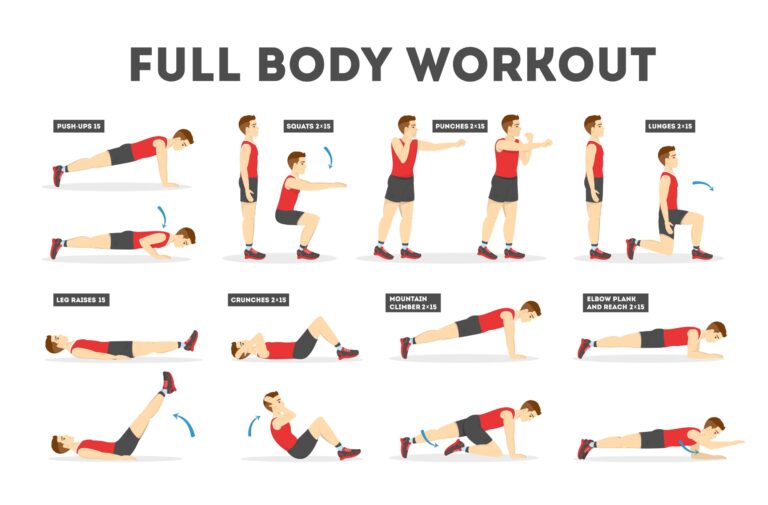
The first step in summoning your body to grow is to impart resistance training. Your nervous system mobilizes muscle fibres to deal with the load in each set. This is mechanical stress, which triggers cellular stress and triggers a robust physiological recovery response. Your body responds by creating stronger tissue in order to be able to easily withstand future physical stressors. Strengthening muscles and rebuilding nutrients during non-training hours.
Just as important as what you eat, is what you do with your sleep and drink. Progressive overload is key for your muscles to continue adapting down the road. Weight and/or reps must be progressively increased in order to maintain the growth signals. The reason why protein alone isn’t enough is that your muscles require mechanical tension. In the absence of training, surplus protein will simply be burnt off or stored somewhere else.
How Much Protein Should You Consume Daily?
The basic level of protein required by general adults is to support their basic bodily functions. But active individuals require more for aiding recovery than sedentary individuals. For hardcore trainers, the range of muscle gain per kg of body weight is greater. The amount of food consumed depends on activity and total mass. The recommended range of evidence for the best results is 1.6–2.2 g/kg body weight.
This range has been shown to give the best return from most natural athletes.There is some research evidence that beyond this range, natural athletes will not benefit as much.
Protein Intake by Goal
For Beginners
Simple daily goals are a great way for new acquaintances to stay consistent and not too confused. The first thing beginners need to concentrate on is reaching a basic goal of 1.6 grams per kg. This will provide sufficient protein for muscle building beginners to meet the requirement of their new bodies. It will take a few weeks to learn portion sizes by tracking food. Use whole foods as the first choice, instead of purchasing supplements.
For Bulking
A high calorie diet is best, with an adequate amount of protein, which is ideal for growth. At the height of your bulk you are able to train very hard. If the carbs are sufficiently high, then you are not required to have a lot of protein in your diet. To maximize lean gains target the center of the range. Daily protein intake for muscle building doesn’t mean that you gain fat.
For Women Building Muscle
The same ranges based on evidence are ideal for women. For women, the total calories may be slightly less but the need for good protein sources remains the same. The aminos are beneficial for hormones as well as bone density. To achieve lean muscle building objectives, concentrate on lean sources. Women don’t have to worry about getting “bulky” from protein.
Best Protein Sources for Muscle Building
Animal Sources
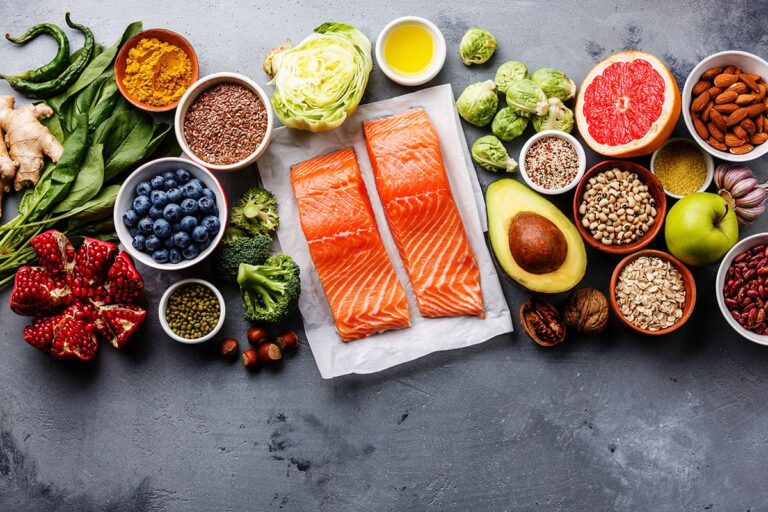
Despite its density, chicken breast still makes an essential meal for a lot of athletes. The eggs come packed with all the amino acids and healthy fats that support the production of hormones. Fish has Omega 3 fatty acids that help to decrease inflammation following a strenuous workout. Greek yoghurt provides a slow release source of muscle fuel, making it a good choice for breakfast in the morning. Lean beef is a good source of iron and zinc that are needed for energy production.
Plant Sources
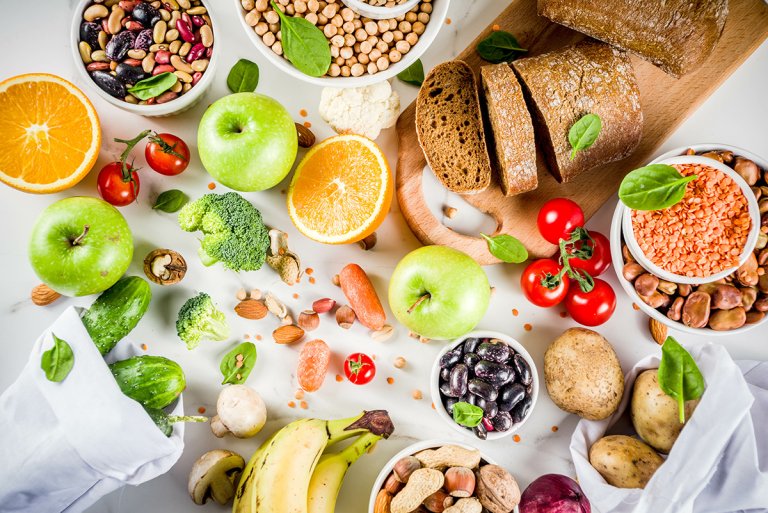
Lentils and beans are an excellent source of fibre and good quality vegetable protein. Other soy based foods include tempeh and tofu, which are versatile foods and contain all the essential amino acids. Soy milk is a convenient liquid to increase your protein intake. Pea protein is a preferred alternative to a dairy or soy protein. Mixing various best protein foods for muscle gain ensures that you get all of it.
Does protein timing matter?
The most important is the total amount of food over the day, rather than when you eat them. While the “anabolic window” exists, it is much wider than people previously thought. Protein after exercise may assist in convenience/recovery but not necessarily within seconds. Eating protein throughout the day helps provide a steady source of aminos for your tissues. A protein before going to bed such as casein will help to repair the muscle tissue during sleep.
How Much Protein Per Meal?
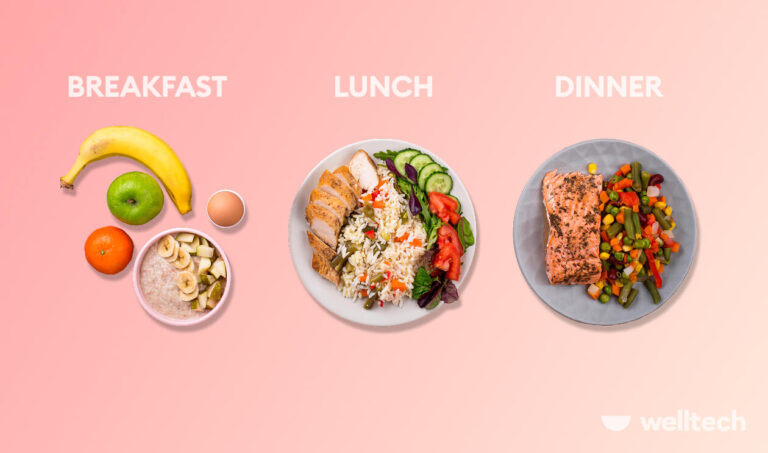
If you can get 25-40g per meal based on body size. This is typically the maximum amount of protein synthesis response. As far as building new muscle is concerned, the role of leucine rich meals can’t be overstated. Splitting up intake will cause nutrients to be processed better over time.
Larger individuals will need a bit more per sitting to fully realize their potential. If you are eating four meals, try and get them about 4 hours apart. This ensures that your body is always repairing and building muscle. Get your protein requirements using a muscle gain protein intake calculator.
Common Mistakes That Limit Muscle Growth
Random training does not provide the signal enough to grow. Bad sleep does not help the healing process nor helps to reduce hormones produced for building muscles. Your body won’t be able to spare the protein for basic energy if there’s not enough. As you may see, it’s possible to miss out on important food nutrients if you use supplements exclusively.
Protein Myths Debunked
There is a good deal of scientific inaccuracy concerning more protein equalling more muscle. It’s a fact that you don’t need to take shakes to grow. The myth that plant protein does not build muscle is incorrect as plants have all the aminos needed for building muscle. Another mistake that many lifters make is that one meal will make up for them not eating the whole day. Consider whole-protein intake (by body weight).
Supplements are simply a means to help achieve your desired outcomes more easily on a daily basis. It is possible to develop a solid body with diets consisting of every whole food if desired. The best way to not spend any money on useless fitness products is to educate yourself on the subject. Remember the basics and steer clear of the “bro-science” that abounds in most gyms. Overall, a well balanced, nutritious approach will provide your results, which will depend on hard work.
Frequently Asked Questions
How important is the timing of protein consumption in muscle building?
The most crucial one is the total amount consumed during the day for day-to-day physical development. While a post-workout meal is good, 24 hours are what matters.
What are the healthiest protein sources for muscles that are whole?
Lifting the chicken, the eggs and lean beef are good picks from the animal side of the fence. Tofu, and greek yogurt, are good sources of protein, and will provide you with the protein you need throughout the day for muscle repair.
Is it better to take whey protein to build muscle or to eat a chicken breast?
While absorbed more quickly, whole foods have greater essential micronutrient content.
Conclusion
Ranges of 1.6-2.2 grams per kilogram of body weight per day are quite suitable for most lifters who are looking to build muscle tissue at a steady rate. To achieve success, keep it consistent, train, sleep and count the total amount of calories consumed in the day. Consider taking supplements only when you are extra busy to make up for the missing calories on very busy days. The secret of progress is to discover a healthy eating plan. When it comes to building strength, top-tier protein for strength training results is a no-brainer.