Expiratory Muscle Strength Training: Benefits Guide
Breathing seems automatic. You do it a thousand times a day without contemplation. But the muscles of breathing can become weak like any other muscles of your body. As your expiratory muscles become weak, your daily tasks are more difficult and tiresome than they need to be.
Not many people even consider training breathing muscles. They emphasize on arms, legs and core totally neglecting respiratory fitness. This is one of the major deficiencies in any fitness and health program nowadays. Vocal power and stamina: This is caused by stronger breathing muscles that enhance your stamina, power of voice, and generally your living standards.
Expiratory muscle strength training is a specific form of body muscle (breathing out) strengthening. It involves the use of resistance equipment and coordinated activities to develop respiratory muscle strength. This training is used by athletes, singers, COPD patients, and stroke survivors to ensure that they increase their breathing capacity and performance.
This guide discusses all that you need to know about expiratory muscle training. You will know how it works, who will benefit the most, the exercises to do and what results you can realistically expect. Each of the sections is supported by recent clinical studies and practice.
What Are Expiratory Muscles?
There are two groups of muscles used by your body to breathe. Air is drawn into your lungs by inspiratory muscles. Air is forced out through the action of expiratory muscles.
Your major expiratory muscles are:
Intermuscular muscles between your ribs.
Abdominal muscles, such as the rectus abdominis and obliques.
Transverse abdominis deep across your core.
Exhalation occurs passively during normal quiet breathing. Lungs just recede and air is expelled in a natural manner. But when you exercise, coughing, talking, singing or breathing hard, then your expiratory muscles are in action and they are straining. These muscles are weak and therefore you cannot exhale strongly. This decreases lung clearance, decreases respiratory endurance and impairs your physical performance to a great extent. The expiratory muscle weakness usually occurs in individuals with neurological disorders, chronic lung illness, and muscle weakness with age.
What Expiratory Muscle Strength Training Is?
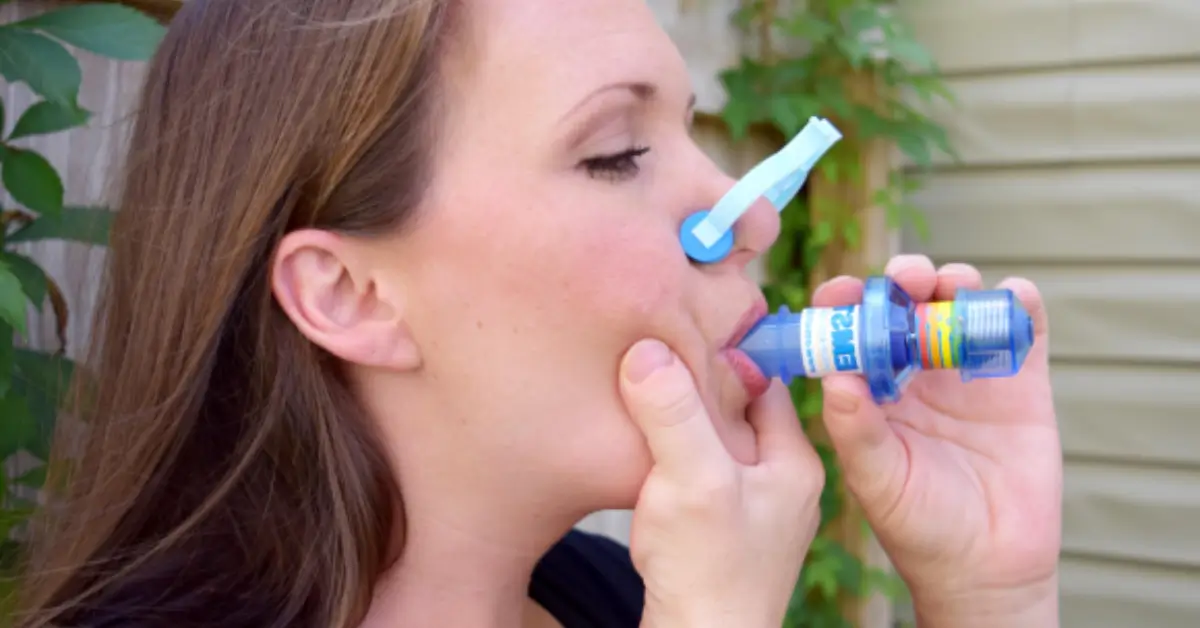
Expiratory muscle strength training is a form of exercise, which involves direct training of the breathing-out muscles. It involves a handheld device referred to as expiratory muscle strength trainer (EMST). When breathing out through this device it provides resistance.
Your expiratory muscles have to exert more effort to overcome the resistance by pushing air through. With time, this progressive resistance develops great muscle strength and stamina. The training is non-invasive, easy and it works well with a variety of populations.
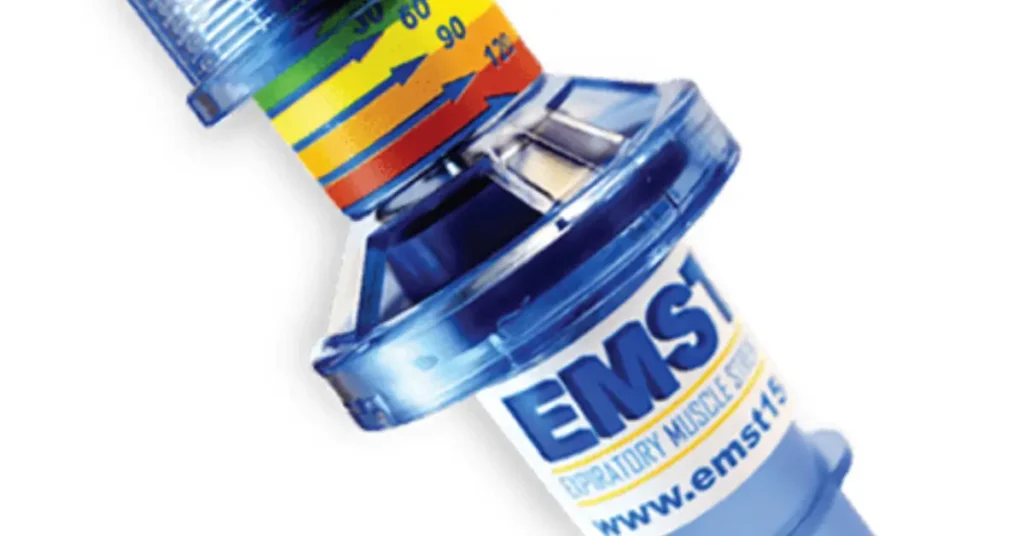
The EMST150 is the most studied equipment in this field. It has a pressure-threshold valve that does not open until you exhale with enough force. You choose the resistance and exhale heavily using the device after a few times. The length of the sessions is usually 5 minutes and the sessions should be done 5 days a week to ensure maximum effectiveness.
The University of Florida and various clinical trials have proven that expiratory muscle strength training yields quantifiable results in the form of increased respiratory muscle pressure, swallowing, cough effectiveness and voice intensity all in 4 to 8 weeks of regular training.
Who Is Beneficiary to Expiratory Muscle Strength Training?
People With COPD and Chronic Lung Disease
Chronic obstructive pulmonary disease (COPD) causes impairment of respiratory muscles with time. Patients have problems clearing airways of mucus and frequently have respiratory infections. The strength training of the expiratory muscles enhances the forced expiratory pressure and enables patients to effectively clear the airways. Research indicates that COPD patients who exercise regularly have low hospitalizations rates and exercise tolerance.
Parkinson’s Disease Patients
Parkinson disease is a condition that brings about progressive weakness of muscles including respiratory muscle weakness. Patients experience weak coughs, and difficulty in swallowing, which makes the occurrence of aspiration pneumonia very high. Clinical trials affirm that cough, swallowing and vocal loudness among patients with Parkinson improve with expiratory muscle strength training in 4 weeks of training.
Stroke Survivors
When the neurons that govern breathing and swallowing muscles are destroyed in stroke, the patient has difficulty breathing and swallowing. Weak cough and dysphagia are typical and risky poststroke complications. Neuromuscular connections, which are lost as muscles deteriorate with age, are restored with effective training on the expiratory muscles and functional breathing and swallowing patterns through training periods.
Athletes and Performers
Stronger expiratory muscles in endurance athletes help them faster during high-intensity exercise. The endurance of respiratory muscles improves the timing of the fatigue of breathing during running, cycling, and swimming. Expiratory muscle training is used to enhance the projection of the voice, support of the breath and length of the phrases by singers and public speakers to produce the same results every time.
Aging Adults
Naturally, respiratory muscle strength decreases with age. As they age, older adults get weaker coughs and lower lung clearance capacity. Expiratory muscle strength training serves to ensure that seniors have the strength of a good cough, clear their airways, and are at reduced risk of aspiration pneumonia and respiratory illness.
The major advantages of Expiratory Muscle Strength Training.
Powerful and More Intense Cough.
The first defense mechanism of the airways in your body is a cough. Expiratory muscle training is important in enhancing peak cough flow and cough effectiveness. It is imperative in individuals with neurological disorders, persistent lung disease and postoperative respiratory feebleness. A more powerful cough will remove mucus more quickly and eliminate the risk of respiratory infection many times.
Better Exercise Tolerance
Powerful expiratory muscles postpone fatigue in respiratory muscles during physical exercises. When exercising intensively, your breathing remains effective. This will enable your cardiovascular system and leg muscles to put in more effort before you become tired. Athletes are also found to have increased VO2 max, increased lactate threshold and lower perceived exertion in training and competition.
Enhanced Vocal Power
Strong vocal production is based on breath support. Vocal projection is relied on by singers, teachers, actors, and public speakers who need to exert their vocal power through a controlled exhalation. Direct effects of expiratory muscle training are the enhanced subglottal pressure upon which the voice is produced. After going through structured training programs, the users complain of more sustained, clearer and louder vocal output.
Reduced Breathlessness
Individuals with dyspnea experience severe breathlessness in the normal day-to-day activities. Powerful expiratory muscles ensure breathing is more productive and less strenuous during the day. After 4 to 8 weeks of expiratory muscle training, patients always report a lower score on breathlessness and an increased daily activity tolerance.
How to Do Expiratory Muscle Strength Training
Learning to use the EMST Device.
Expiratory muscle strength training is best achieved through the use of a pressure-threshold device. Set the device to 75% of your maximum expiratory pressure for best training results. Sit straight, with good posture and insert the mouthpiece deep into your lips.
Breathe in a normal manner. Then blow hard and fast out of the machine till it shoots open. Take a 30-second break between exercises. Do 5 sets of 5 each session. Training 5 days a week at least 4 weeks to see significant strength gains.
No Equipment Breathing Exercises.
Expiratory muscles can also be strengthened with the help of certain breathing exercises at home. These are exercises that are complementary to training using devices and enhance the respiratory muscle endurance in an effective manner.
Forced Exhalation Exercise
Inhale deep breaths via your nose. Then blow out as much as you can and as quickly as you can with your mouth. Do 10 repeats per set. Take 3 sets in a day to achieve maximum results.
Pursed Lip Breathing and with Resistance.
Breathe in normally. Then close your lips and breathe out at a slow pace of 4-6 seconds. This forms back-pressure which builds up on the expiratory muscles with time. It can be useful especially with patients of COPD and novices who are beginning respiratory training.
Huff Coughing
Take a medium breath in. then snort with two or three snorty puffs without shutting your glottis. This is a method that boosts the expiratory muscles and removes mucus of the airways concurrently. Do 5-10 cycles in every practice session of the day.
Exhalation Abdominal Bracing.

On your back, knees bent. Inhale gradually by sniffing. Next blow out forcefully but squeeze the abdominal muscles as much as possible. This directly involves your main expiratory muscles each time you take a breath. Complete 15 repetitions/set of 3 sets per day.
Progression and Overload
The principle of progressive overload is applicable to respiratory training in the same way as traditional strength training. Strength: Add 10-15 percent resistance each 2 weeks to your EMST device. Measure your highest expiratory pressure monthly with a respiratory pressure meter (where possible).
In the case of bodyweight breathing exercises, repeat the exercises and sets every week. Introduce forced exhalation exercises with physical activity such as walking or cycling to further develop. It is always advisable to have adequate rest between training sessions to avoid fatigue of respiratory muscles.
The protocol is based on the most referred clinical research studies on respiratory muscle training literature. It should always begin at a friendly level of resistance and build up. A physician or respiratory therapist should be consulted first in case of a preexisting lung or neurological disease.
Errors to be Weary of.
Using Too Much Resistance Too Soon
Respiratory muscles are strained and fatigued in a short time, starting at maximum resistance. Always begin at 50 to 60% of maximum expiratory pressure and increase gradually over weeks.
Inconsistent Training Schedule
Missing sessions disrupts progressive development that your respiratory muscles require. Be willing to do 5 sessions every week throughout the program.
Bad Posture in Training.
Bent posture limits the motion of the diaphragm and limits the effectiveness of training greatly. Sit or stand straight with your chest open in each and every training session.
Dipping In Breathing In rather than breathing out.
Other novices do not exhale using the equipment properly, but instead, retain the breath. It must be a sudden, violent, exhaustive expiration–not a suspension or a trickle of air.
Stopping Too Early
A lot of individuals give up on training in 2-3 weeks before they can see significant strength improvements. Go through the entire 4-8 weeks program and then measure your results and modify your protocol.
How Soon Does it Pay Off?
Weeks 1-2 – your nervous system becomes adjusted and gets used to proper breathing patterns. You can experience some respiratory muscle soreness at first. The process of endurance in the exercise starts getting better in this initial adaptation stage.
Weeks 3-4 -On testing, there are measurable improvements in maximum expiratory pressure. The strength of the cough also improves. During meals, it is easier and more controlled to swallow. Dyspnea in everyday life starts to decrease steadily.
Weeks 5-8 -There is a great improvement in vocal strength, exercise capacity and clearance of airways. During high-intensity training, athletes experience improved breathing efficiency. There are clinically significant improvements in dysphagia and breathlessness scores on standardized measures in clinical populations.
After 8 Weeks – Progressive training continues to sustain and prolong all the gains made. Expiratory muscle training has become an essential part of the health and fitness routine by many users, who have long-lasting respiratory benefits.
FAQs
What is expiratory muscle strength training used for?
It makes the breathing out muscles strong. It enhances the effectiveness of cough, swallowing ability, vocal strength and exercise tolerance in a wide range of populations and conditions.
What is the duration of the expiratory muscle strength training per day?
The sessions last about 5 minutes. You do 5 sets with 30s resting intervals between sets. It is among the most time saving training systems in the present day.
Is training of expiratory muscles safe to all?
It is normally quite safe when administered at the right resistance levels. Individuals who have severe COPD, surgical operations, and/or individuals with neurological conditions must seek the advice of their physician or respiratory therapist prior to initiating any program.
Is expiratory muscle training beneficial to swallowing issues?
Yes, there have been several clinical trials that prove that expiratory muscle strength training has a major impact in reducing the severity of dysphagia. It effectively trains submental muscles that are common to the breathing and swallowing systems.
What equipment would I require to use to train the expiratory muscles?
The most researched device is the EMST150 pressure-threshold trainer. It is easily accessible on the internet and by respiratory therapy providers. Your medical professional may also prescribe suitable equipment to your particular condition and aims.
What is the speed of the expiratory muscle training?
The majority of individuals experience increased cough, and decreased breathlessness in 3-4 weeks. The consistent training often gives significant measurable results in the form of significant improvements in maximum expiratory pressure after 4 to 8 weeks.
Conclusion
The ineffective expiratory muscles restrict your physical efficiency, vocalisations, airway clearance, and overall living standards greatly. Expiratory muscle strength training is an evidence-based, simple, and very effective solution. It takes 5 minutes a day, 5 days a week and gives tangible results in a matter of time, of 4 to 8 weeks of regular training. This training technique is effective in providing real and lasting value, whether you are dealing with COPD, recovering after a stroke, enhancing your athletic performance or strengthening your voice.
The studies on the basis of expiratory muscle strength training are solid and increasing annually. It is not an experimental method of doing things and this is an established respiratory rehabilitation and performance aid. Begin with the appropriate amount of resistance. Always ride 5 days a week. Improvement at a slow pace every 2 weeks. Allow your program ample time of 8 weeks and then assess your outcome.