Is Yoga Strength Training? The Truth About Yoga and Building Strength
Yoga is practiced by millions of people worldwide on a daily basis. Others do it to be flexible and to relieve stress. Other people apply it to mindfulness and clarity of the mind. Yet, there is a gym or wellness community across the board where one question is raised. Is yoga strength training? Does holding work as well as lifting weights to build muscle?
The issue of yoga strength training has been a controversial one among the fitness gurus, athletes, and the everyday exercisers. There are those who say that yoga is simply a practice of flexibility and mindfulness. It is the body they built their strongest, most useful ever, swear others. The reality is in between and greatly depends on your practice.
This manual puts an end to the argument with actual science and pragmatism. You will hear exactly what happens to your muscles during yoga, the comparison to your traditional strength training, and whether yoga is in itself sufficient to develop the strength your body will require in the long run.
What Strength Training Is?
You must first comprehend the meaning of strength training before you can answer the big question. Strength training is any activity that causes your muscles to be countered. The resulting resistance develops muscle tissue, enhances force production and makes physical capacity better with time.
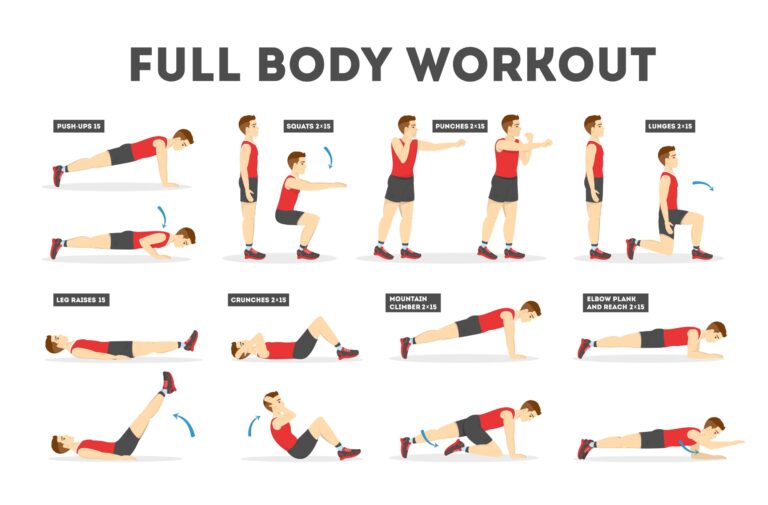
The majority of individuals relate strength training to barbells, dumbbells, and gym machines. But resistance is in a variety of forms. A valid form of resistance is your own bodyweight. Push-ups, pull-ups and dips are all exercises that require nothing more than body weight to build real muscle.
To be considered as strength training, exercise should fulfill some requirements. It should induce mechanical tension on muscles. It should induce adequate muscular fatigue. And it must offer progressive challenges by progressive overload. These three are the motivators of muscle growth and strength increase of any training modality.
Yoga Produces Muscular Tension?
Yes. Yoga will certainly develop mechanical tension in your muscles when practicing. Each time you are in a Warrior II pose, your quadriceps, glutes and hip stabilizers are active against gravity. Whenever you are in Chaturanga Dandasana, your triceps, chest and core are the ones opposing your full body weight at the same time.
Isometric contractions are part of the muscles that are constantly taking place during yoga. Plank pose is the best position to do to put on a lot of isometric tension in your whole core and shoulder complex, 30 to 60 seconds. Studies prove that the real strength and muscle endurance is effectively developed by the help of isometric training.
Eccentric contractions also take place frequently when transitioning to yoga. Slowly bending forward with Chaturanga to the ground causes considerable eccentric stress on your triceps and chest muscles. Eccentric loading is a very potent stimulus of muscle development in any training system.
Is Yoga Strength Training? What Science Says.
Recent years have seen extensive research in yoga strength training with remarkable outcomes. In a 2015 study published in the Journal of Strength and Conditioning Research, 12 weeks of yoga made a significant difference in upper body strength, lower body strength, and core endurance in previously sedentary adults.
A systematic review by the year 2021 proved that yoga practice has quantifiable effects on muscular strength and endurance among various populations. The strength among the participants in push movements, pull movements and core stability exercises had a significant increase following regular yoga programs.
Nevertheless, there are obvious limitations to the research as well. Yoga yields a great strength increase in new students and individuals who are out of shape. However, intermediate and advanced trainees have diminishing marginal returns to yoga without the addition of external resistance over time. Here is where yoga and conventional strength training part ways the most.
This is the truthful scientific answer. Yoga is a bodyweight exercise type of training. It develops actual power especially in the core, upper body and stabilizing muscles. However, it possesses natural limits of ceiling that are not met by traditional weight training as rapidly.
Which Muscles Does Yoga Strengthen?
Core Muscles
Yoga is very effective in developing core strength and stability. All these poses such as Plank, Boat Pose, Side Plank, and Crow Pose challenge the core and provide overworking during each session. Regular yoga practice grows your transverse abdominis, obliques and spinal stabilizers in a significant way.
Upper Body Muscles
The progressions of Chaturanga, Downward Dog, Crow Pose, and Handstand will put a heavy load on your chest, shoulders, and triceps. These bodyweight pressing moves are often sufficient to build impressive upper body strength in many yoga practitioners. The strength of pulling is not as well-developed in yoga since not many yoga poses simulate the action of rowing or pulling up.
Leg and Glute Muscles.
Warrior poses, Chair Pose, Crescent Lunge, and Goddess Pose are great poses to sustain great quadriceps, hamstring and glute strength. Sitting in these causes prolonged muscular fatigue of the lower body. The hip stabilizers and adductors are also built in the wide-stance postures in the routine training.
Back Muscles
Locust Pose, Cobra, Wheel Pose, and Boat Pose are great exercises to work on your erector spinae and lower back. A good lower back helps in good posture, less back pains and more physical activity in any physical activity of the day.
Yoga vs Classical Strength Training.
Resistance Source
In classic strength training, the weights are added externally and you can add more and more weight as time goes by. Yoga involves resistance with your bodyweight, which is not very adjustable to your fitness level. This inherent distinction shapes the strength tolerance of each methodology in the long term to a considerable extent.
Progressive Overload
Progressive overload is easily measurable and simple with traditional strength training. You put more weight on the bar and your muscles are challenged right away. The yoga moves move towards the advanced poses and longer holds, which works but is less precise and can be measured with less accuracy.
Muscle Hypertrophy
The most common strength training and moderate to heavy loads is more effective than yoga in producing muscle hypertrophy in most individuals. Increased mechanical tension due to increased external loads results in more intense growth signals in muscle tissue. Yoga develops functional strength and muscle endurance rather than the sheer size and maximum strength.
Mobility and Flexibility
Yoga is far much better than conventional strength training in mobility, flexibility and joint health. This is among the best and most distinct contributions of yoga to general fitness. Conventional lifting is known to firm the muscles without working on the flexibility which translates to imbalances that yoga works well to correct.
Injury Risk
Most individuals can practice yoga without high levels of injury as compared to heavy barbell training. Yoga poses whose patterns of movement are controlled and mindful, decrease the stress on the joints and enhance the body awareness to a great extent. This renders yoga an ideal addition to heavier training to prevent injuries and to recover in the long term.
Is Yoga a Muscle-Builder?
Yes, yoga can develop muscle- though with significant strings attached. There are three situations that yoga strength training is most effective in building muscle.
In Special Muscle Areas.
The core, shoulder stabilizer and hip muscles are incredibly strong when using yoga. In the conventional gym programs these muscles are usually not well trained. Yoga is able to fill these gaps successfully and generate changes in these particular areas in terms of strength in a short period of time.
When Weighed With Weights.
Yoga plus the conventional strength training is the best method to combine. Weights ensure the heavy mechanical load in order to achieve maximum muscle growth. Yoga offers the mobility, stability, and recovery that enable heavy training to be sustainable over time. The combination of both is better than any one of the two regular.
Top 10 Yoga postures to get stronger.
Kadja Adho Mukha Adho Sarvangasana (Low Push-Up)
This is the most effective upper body strength builder of yoga. It works your tripleps, chest and anterior deltoids in all directions. Do it very slowly and in full control on each repetition to achieve the greatest amount of muscle activity.
Warrior III
This difficult balance challenge develops an extraordinary single-leg strength and balance. The standing leg quadriceps, glutes and ham strings are ablaze to ensure balance. Your core is working at the same time to maintain your torso and elevated leg in the same position to the floor.
Chair Pose (Utkatasana)
Chair pose produces a strong quadriceps and glute contraction due to prolonged isometric contraction. This pose will give your legs a deep muscular burn in 30 to 60 seconds. It is the real imitation of the requirement of a squat hold with your own weight in effect.
Side Plank (Vasisthasana)
Side planks develop lateral core stability, shoulder stability and hip abductor strength at the same time. It is among the most whole core exercises in any exercise system today. A progression to a full side plank after some time with a knee side plank then to a raised-leg variation.
Boat Pose (Navasana)
The boat pose results in strong core and hip flexor activity due to sustained isometric contraction. This pose puts an excellent workout on your rectus abdominis and iliopsoas in every hold. It is among the finest core strength builders throughout the yoga practice.
Using yoga to get the most out of it in terms of strength.
Practice Challenging Styles
Yoga does not all create equal strength. The most strength-oriented styles are power yoga, Ashtanga, Rocket yoga, and Baptiste yoga. These are more dynamic, bear longer poses and involve more physically challenging as compared to the gentle or restorative yoga classes.
Hold Poses Longer
Longer holds provide more time under tension in your muscles. Stress time is one of the major motivators of muscle and strength growth at all times. As compared to the usual 5 breath counts as maximum training stimulus, hold strength lasts between 45 to 90 seconds.
Add Repetitions
The dynamically flowing through provides an element of strength training to regular yoga. Do 10 slow Chaturanga push-ups, don’t flow through it. Sit on Chair Pose 20 reps and then hold 30 seconds. Such alterations add a significant stimulus in the strength training of any yoga session.
Train Consistently
The most crucial aspect in any strength training program is consistency. Engage in yoga at least 3-4 times a week in order to achieve significant strength gains in the long run. Occasional practice yields little or no strength gains no matter how intense the practice sessions are.
Integrating Yoga and Conventional Strength Training.
The Ideal Weekly Plan.
The most intelligent way to be is to use the combination of the two modalities smartly during the week of training. Weight training 3 days/week with emphasis on such compound exercises as squats, deadlifts and presses. Practice yoga 2-3 times a week prioritizing mobility, core strength, and active recovery between lifting sessions.
What Yoga Can Bring to Weight Training?
Immediately, yoga enhances mobility of the joints which makes weight training less risky and effective. Improved hip mobility makes deeper and safer squats with improved muscle activity. Increased shoulder mobility enhances overhead presses mechanics and minimizes the risk of rotator cuff injury.
The Benefits of Weight Training in Yoga.
Weight training leads to stronger muscles that enable you to sustain yoga poses and move to an advanced form quicker. The result is a body that is powerful, agile, sure, and firm in all directions of movement.
FAQs
Is yoga considered strength training?
Yoga does make it a type of body weight strength training. It generates mechanical tension, muscle fatigue, and progressive challenge by using ever more challenging poses. Nevertheless, it has strength ceiling limits with respect to external weight training on the advanced trainees.
Which type of yoga is the strongest?
Ashtanga, Power yoga, and Rocket yoga are the strongest of all yoga styles. Such styles involve longer holding, more challenging poses and faster paced sequences that induce high levels of muscular fatigue during each session regularly.
What is the time required to become strong in yoga?
The majority of novices can see strength gains within 4-6 weeks of practice. The changes in muscle tone are usually evident in 8-12 weeks of regular yoga practice. The outcome is sensitive to the practice frequency, challenging, and duration during the sessions.
Can yoga be used to strengthen the core?
Yes. One of the best means of developing a strong core and stability is through yoga. Plank, Side Plank, Boat Pose and Crow Pose all provide high levels of core activity that leads to functional core strength in the long run.
Will yoga help men develop muscle?
Absolutely. The regular practice of yoga, especially in the core, shoulders and triceps, can develop actual muscle in men. Nevertheless, a man in need of the greatest amount of muscle mass will find the fusion of yoga and conventional weight training as the most effective in the long-term outcomes.
Conclusion
Is yoga strength training so? The truthful response is both yes and no. Yoga is real bodyweight conditioning which develops genuine muscle, functional strength and astounding core steadiness. According to the science, a regular yoga practice has quantifiable strength benefits, especially in beginners and those focusing on a particular set of muscles.
However, yoga too has its own limitations as an isolated means of strength building. It is not able to give the progressive external loading which gives optimum muscle hypertrophy in advanced trainees. Its strength ceiling is practical and applicable to any serious person with muscle building objectives that are not in the beginner stage.