Exercises With Foam Roller: A Complete Guide for Recovery, Mobility and Muscle Relief
One of the latest trends in the field of fitness and rehabilitation is the use of foam rollers. Foam rolling may assist in enhancing mobility and decreasing muscle tension whether you are an athlete, gym enthusiast, a runner or spending long hours at a desk. The mechanism of action is through exerting pressure on muscles and connective tissues, which relaxes tight spots and enhances circulation.
Foam rolling is another type of stretching, unlike the conventional form, which only affects the fascia of the muscles. This renders it a great option in dealing with stiffness and enhancing the quality of tissues. Foam roller exercises can also be used to maintain healthy muscles, enhance posture, and assist in overall physical performance through regular exercise.
What Is Foam Rolling?
Understanding Self-Myofascial Release
Foam rolling is a self-myofascia release method that assists in decreasing tension in muscles and fascia. Fascia is connective tissue that envelops and supports the muscles in the body. When the fascia are tight, they may limit movements and add to discomfort.
A foam roller provides pressure on these tissues. This pressure aids in the release of limitations and promotes relaxation of the muscles. This leads to a smoother movement and in most cases flexibility is enhanced.
How Foam Rolling Works
Foam rolling involves the application of body weight in order to exert pressure on specific muscle groups. Direct pressure is exerted on narrow spaces as you slowly go across the roller. This procedure will enhance the circulation and make the muscles relax.
Enhanced circulation of blood supplies oxygen and nutrients to the tissues and aids in eliminating waste products. This has the ability to aid in muscle restoration and fewer sensations of rigidity following a workout or lengthy sedentary time.
Benefits of Exercises With Foam Roller
Reduces Muscle Tightness
Lessening the tightness of muscles is one of the largest advantages of foam roller exercises. Squeezing together in everyday life, exercise, and improper posture may all lead to stiff muscles. Foam rolling assists in the release of tension and normal muscle functioning. Movement is more comfortable when the muscles are less restricted. This can enhance athletic performance as well as daily activities.
Improves Mobility
Poor mobility may influence performance on exercise and risk of injury. Foam rolling is useful in enhancing the quality of tissues and in decreasing constraints that limit movements.
Exercises become easier to do accurately and with more ease as flexibilities and mobility increase. Improved movement patterns will also be able to alleviate unwarranted stress on joints.
Supports Recovery
Rest is necessary to have healthy muscles and avoid overuse injuries. Foam rolling is used to enhance circulation and relieve fatigued muscles following exercises. Foam rolling is a popular post-workouts activity among many athletes who find it beneficial as it helps them feel less sore and enables them to keep training.
Enhances Blood Circulation
Good circulation is significant to muscle restoration and well-being. Foam rolling promotes blood circulation in the specific regions that would be useful in delivering nutrients and oxygen to the body tissues.
With improved circulation, muscles can be more likely to heal quicker and experience reduced soreness following workouts or protracted sitting.
Choosing the Right Foam Roller
Medium-Density Foam Rollers
MDR rollers are medium-density rollers that provide a medium level of comfort and effectiveness. They are just enough pressure to attack muscle tightness and are comfortable to most users. Most fitness experts suggest using medium-density rollers, as they can be used in an extensive range of exercises and recovery requirements.
Firm Foam Rollers
They may be useful in treating recalcitrant muscle tension and trigger points. Although efficient, they might be overwhelming to novices. Initially, a softer roller may be the best place to begin with and then graduate to a harder one.
General Guidelines Before Foam Rolling
Go Slow and Control.
One of the most important principles of foam rolling is moving slowly. The quick movement decreases efficiency since muscles cannot counter the pressure due to insufficient time to react. Slow movements will be used to determine where it is tight and enable the tissues to relax better. It usually pays to take your time.
Focus on Breathing
Breathing properly will assist muscles to relax during foam rolling. It can be stressful when many individuals cannot help but hold their breath when they are in a sensitive area. Rather, concentrate on gentle and deliberate breathing during every workout. This enhances relaxation and boosts the effectiveness of the session in general.
Do not Roll on Joints.
Foam rolling must focus on muscles as opposed to bones or joints. It might be painful to roll directly over joints, and it might not be effective in giving any meaningful benefits. Pay attention to the muscle groups around and do not press delicate parts.
Exercises With Foam Roller for the Upper Back
Upper Back Roll
Muscle tension can be experienced in the upper back, and this is usually the case with individuals who spend a lot of time sitting. In order to do this exercise, you must lie on your back and roll the foam roller under your upper spine. Slowly twist your back in the middle, up to your shoulder blades. Stop and take a moment and inhale. The exercise will prevent stiffness and enhance upper body mobility.
Thoracic Extension
One of the best exercises using a foam roller to enhance posture is thoracic extension. Place the roller under your back and lean backwards over it. This motion aids in opening of the chest and enhances movement in the thoracic spine. Better thoracic movement is able to lessen the load on the neck and shoulders.
Exercises With Foam Roller for the Chest
Chest Opening Stretch
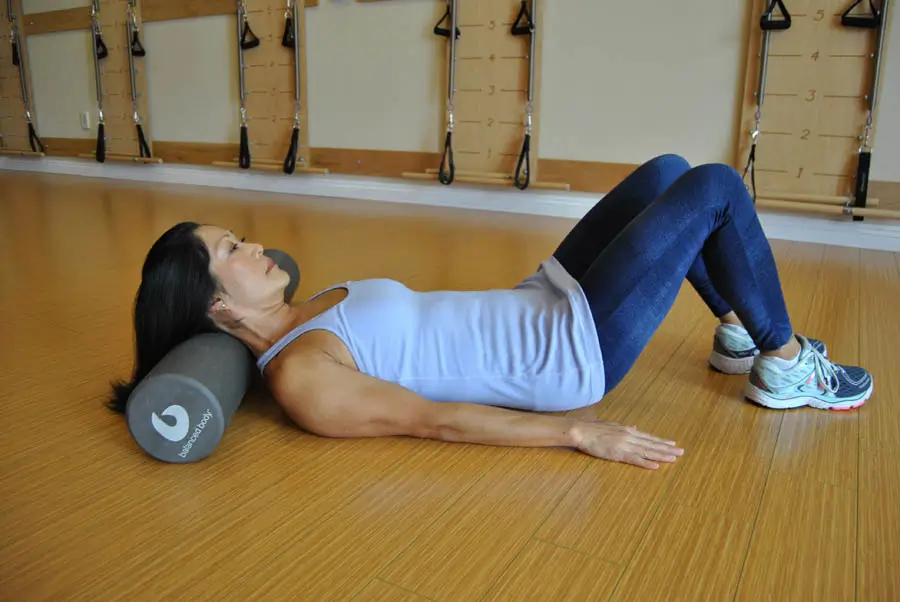
Squeezed chest muscles can be a cause of rounded shoulders and bad posture. Lie on the foam roller in a lengthy position in order to sustain the spine and head. Relax your arms and sit in the position with a couple of deep breaths. This is a stretch that aids in opening up the chest and enhances posture.
Pectoral Muscle Release
Sit or lie with your body in such a way that the foam roller exerts mild pressure on the chest muscles. Breathe slowly and move slowly in the area. This will ease the chest and could increase the shoulder range with time.
Exercises With Foam Roller for Shoulders
Shoulder Blade Release
Poor posture, stress, and repetition mostly result in tightening of the muscles around the shoulders blades. In order to do this exercise, you will lie on your foam roller with your upper back resting on it and you will softly move your body to the right and to the left. This motion aids in focusing on the muscles surrounding the shoulders and upper back.
The mobility of the shoulder can be better through regular practice to alleviate the stiffness of the shoulder joints due to the prolonged sitting posture. This exercise has been observed to improve the posture and make the upper body move easier after incorporating it in their routine.
Latissimus Dorsi Release
Latissimus dorsi are found along the sides of the upper back and are significant in the movement of the shoulders. Lay on your side, and place the foam roller under the armpit of the side of your back.
Slowly twist along the armpit to the middle of your back. The practice is beneficial to stretch tight lats that can restrict shoulder range and cause upper-body tension. This area should be more flexible, which can help to improve movement during exercises and in everyday life.
Exercises With Foam Roller for Hips
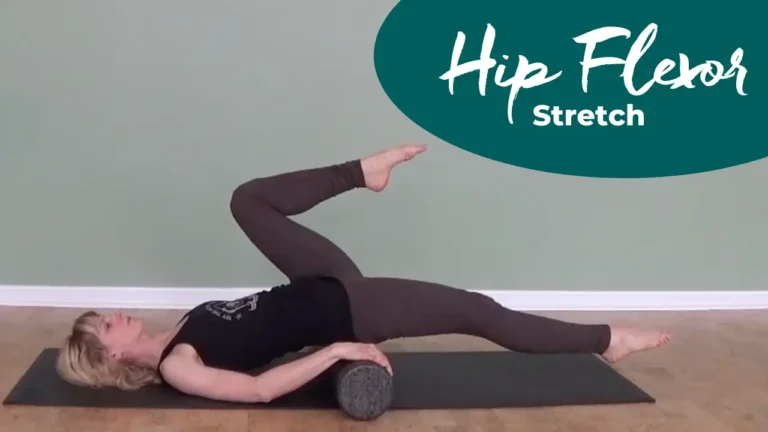
Hip Flexor Release
The tight hip flexors are associated with individuals who sit up most of the time. Position the foam roller beneath the anterior hip, when lying flat on the back. Bear yourself on your forearms, and pull slowly to and fro. This exercise will alleviate tightness in the hip flexors, and can enhance lower-body mobility. De-tensing in this region may also lead to improved posture and efficiency in movement.
Outer Hip Roll
Walking, running and sitting may cause tightness in the muscles on the outside of the hips. Lying on your side: place the foam roller under the outer hip. Roll slowly on the side of the hip by regulating the pressure using your body weight. This exercise assists in alleviating tension and enhancing hip range. Regular practice can also be beneficial to assist in improved lower-body movement patterns.
Exercises With Foam Roller for Quadriceps
Standard Quadriceps Roll
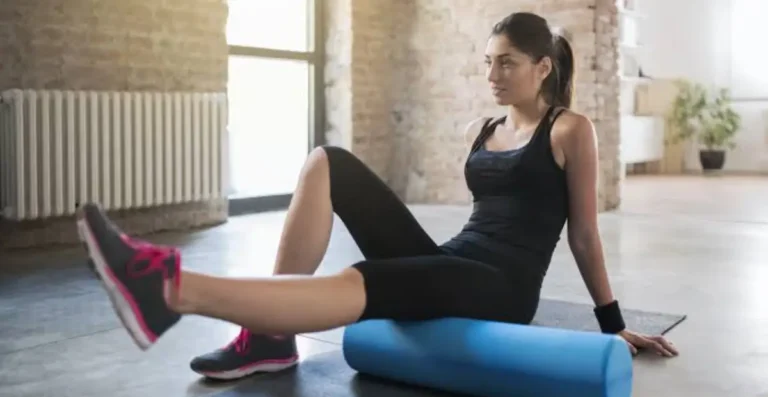
Quadriceps are found on the anterior sides of the thighs, and they tend to tighten after running, cycling, or strength training activities. Lay on your back and put the foam roller under the thighs. Rest your forearms on your body and roll slowly, starting at the top of your knees to the hips. Stop and stretch on tight spots. The practice is useful in enhancing blood flow and alleviating muscle spasms.
Single-Leg Quadriceps Roll
To be more specific, put one leg on the foam roller and the other leg off to the side to support it. Roll along the whole length of the thigh. This adjustment enables you to work on each leg separately and put a bit more pressure where necessary. It may prove to be very helpful in correcting muscle imbalances.
Exercises With Foam Roller for Hamstrings
Basic Hamstring Roll
Hamstrings occupy the posterior part of the thighs and are significant in the process of movement and performance in athletes. Lie on the floor and put the foam roller under your hamstrings. Use your hands to support yourself and roll gradually, starting above the knees to the glutes. Use of this exercise will enhance the flexibility and decrease tightness of the back of the legs.
Single-Leg Hamstring Roll
To make it more intense, put one leg on the roller, and cross the other leg over it. Roll across hamstring muscles. This exercise can be used to press deeper as well as to target specific tight areas. Runners and athletes also use it to recover.
Calves Exercises on Foam Roller.
Double-Leg Calf Roll
Long walks, running and standing can result in tightening of calf muscles. Both calves should be put on the foam roller and sit on the floor.
Roll with your ankles, just below the knees, lifting your hips a bit. This will improve lower leg circulation and decrease tightness of the muscles.
Single-Leg Calf Roll
To increase the pressure, put one calf on the roller and cross the other leg over it. Slowly move back and forth along the length of the calf. This difference is aimed at deeper muscle strata and may be of specific help to those people who have a tendency to get calf tightness after activity.
Exercises With Foam Roller for Glutes
Seated Glute Roll
The glute muscles play a role in lower body strength, stability, and movement. Sit on a foam roller and rest one ankle on the other knee. Tilt a little on the side the treatment is applied and moves slowly over the glute muscles. The practice is beneficial in tension release and enhancing mobility in the hips.
Piriformis Release
Piriformis is a tiny muscle that is found deep in the glutes. This muscle can cause tightness and result in discomfort and limited movement.
Small movements allow you to better target the piriformis by keeping the crossed-leg posture and by focusing on smaller movements. This exercise is useful to many individuals in helping to loosen hips.
Common Foam Rolling Mistakes
Rolling Too Fast
Among the most frequent errors is running too fast across the foam roller. Rapid movements make it less effective as the muscles do not obtain sufficient time to react to the pressure.
The gradual and deliberate rolling will enable you to spot narrow spaces and get more successful. Sometimes it is better to take things slow than do numerous repetitions but in a rush.
Applying Excessive Pressure
It is believed that the greater the pressure, the better the results. Nevertheless, too much pressure may result in more pain and tightening of muscles rather than relaxation.
Moderate pressure is preferable, and you can begin with intensity but progressively build up as your body gets used to it. The foam rolling should be challenging but not too difficult.
Ignoring Tight Areas
There are individuals who do not roll over delicate or narrow areas, as they are uncomfortable with it. Nevertheless, these aspects can be the most important to pay attention to. Rather than skip them, take a moment and rest the muscles. Avoiding rush and spending more time on tight spots may enhance movement and decrease tension.
Holding Your Breath
Breathing is an important part of effective foam rolling. Breathing in can create more tension in the muscles and can decrease the value of the exercise. Concentrate on deep, slow breathing with every movement. This is useful in the relaxation of the nervous system and in muscle recovery.
FAQs
What is the frequency of exercises with foam roller?
The majority of individuals gain by rolling on foam three to five times a week. Depending on the recovery of the athletes and highly active individuals, they can decide to use a foam roller on a daily basis.
Should I roll the foam roll prior to exercise or after exercise?
Both alternatives may be advantageous. Pre-exercise foam rolling can enhance mobility whereas post-exercise foam rolling can aid in muscle recovery and alleviate muscle tightness.
Is foam rolling an alternative to stretching?
Stretching and foam rolling are used to different ends. Foam rolling can be used to relieve muscle tension, whereas stretching enhances flexibility. The combination of the two approaches can often be the most effective.
What is the duration of a foam roll?
The average time of the sessions is five to fifteen minutes. Short sessions are usually better than long sessions which are intermittent.
Is foam rolling beneficial to soreness?
Foam rolling has become the popular means of alleviating post-exercise pain and accelerating the healing process among many individuals. Although the consequences may be diverse, this is often a part of the recovery programs because of this reason.
Conclusion
Foam roller exercises can be an excellent addition to your workout and recovery regimen, with many possible advantages to mobility, flexibility, and muscle health. Foam rolling is useful in the reduction of tension, enhanced circulation, and recovery after exercise. Practice, technique, and breathing control are the key to the achievement of the best results.
Exercises on foam roller can become an important part of your wellness practice whether you want to achieve better recovery, more flexibility, or less muscle stiffness. Foam rolling promotes long-term mobility, comfort, and physical performance when coupled with frequent exercise, stretching, and proper recovery practices.