Foam Roller Hip Flexor: Complete Guide for Mobility, Recovery and Pain Relief
Hip flexors are an issue that is prevalent among athletes, office workers, runners and individuals who have to spend a considerable amount of time sitting. These muscles are significant in walking, running, climbing steps and most of the daily movements. Once tight they may restrict movement, influence posture and lead to hip, lower back and leg pain. Understanding how to do a foam roller hip flexor program could potentially decrease muscle tension, enhance flexibility, and aid in better movement patterns.
Contemporary lifestyles can be characterized by long periods of sitting, which maintain the hip flexors in a shortened form during the long periods of time. In the long run, it may result in rigidity and loss of movement. These muscles can also be subjected to tremendous demands by physical exercises like running, cycling, and strength training. In the absence of proper recovery, tension can persist and influence the overall quality of movement.
Foam rolling is one of the most popular methods of recovery due to its simplicity, low costs, and efficiency. Foam rolling is suggested by a lot of fitness professionals as an element of mobility and recovery program. Doing a foam roller hip flexor routine regularly could assist in increasing flexibility, recovery, and make daily life movement more comfortable.
Understanding the Hip Flexor Muscles
What are Hip Flexors?
The hip flexors are muscles that are situated in front of the hips. Their main task is to raise the knee upwards to the chest and assist bend the body at the hips. These are the muscles that aid almost all the lower body movements and are, therefore, vital in day-to-day life and in sports.
The big hip flexor muscles are the iliopsoas, the rectus femoris and the various smaller supportive muscles. They are especially subject to tightness and fatigue because of the constant usage.
Why Hip Flexors Become Tight
Prolonged sitting is one of the major causes of tightening of hip flexors. Sitting maintains these muscles in a shortened position whether at a desk, driving or television. This can eventually lead to a lack of flexibility and aids in stiffness.
Hip flexor tightness may also be caused by physical activities. During running, cycling and sports activities involving a repetitive movement of the legs, there are constant demands on the muscles. Unless we stretch and recover, tension may build up and this impacts mobility.
Tight Hip Flexors.
Tight hip flexors can result in stiffness in front of the hips and pain during movement. Others experience problems in standing up after prolonged sitting.
Other people have a decreased stride length during walking or running. Tight hip flexors can be a source of lower-back pain, and posture alterations in some situations.
What is Foam Rolling?
Understanding Self-Myofascial Release
Foam rolling is a self-myofascial release method which focuses on muscles and connective tissues. The muscle fascia may become tightened as a result of lack of exercise, excessive use or habitual movement. When using a foam roller, pressure is applied to these restrictions to relax them and enhance the quality of tissues. This will help to alleviate tension and promote healthier motion.
The principle of Foam Rolling.
Foam roller is used to press on specific muscles with the assistance of body weight. The pressure, as you roll over the roller, aids in relaxing tight spots and enhancing circulation. Enhanced blood circulation provides oxygen and nutrients to the muscles and helps in recovery. This can aid the stiffening and increase flexibility in the long run.
Benefits of Foam Roller Hip Flexor Exercises
Reduces Muscle Tightness
A foam roller hip flexor routine is one of the main advantages that help in decreasing muscle tightness. Strict hip flexors may restrict movement and make daily activities painful.
Foam rolling assists in relieving tension in the muscles and other tissues. Exercise can help to feel more comfortable and natural to move.
Improves Hip Mobility
Mobility is significant in sporting performance as well as in day-to-day activities. The tight hip flexors may limit movement and influence the exercise technique. Foam rolling assists in alleviating constraints which inhibit range of movement. Hip mobility can also lead to better movement patterns and flexibility.
Enhances Blood Circulation
Muscle recovery and functioning requires healthy circulation. Foam rolling enhances blood circulation to the muscles in need, thus, providing oxygen and nutrients more effectively. Enhanced circulation can also help to eliminate the waste products that build up after exercise or inactivity.
Choosing the Right Foam Roller
Soft Foam Rollers
Soft foam rollers are less aggressive and can be prescribed to beginners. They enable users to get used to foam rolling and reduce pain. These rollers are perfect for those who have sensitive muscles or those who are beginners in the recovery methods.
Medium-Density Foam Rollers
The medium-density rollers provide a compromise between comfort and efficacy. They are relatively pressure-sensitive to resolve muscle tightness without being excessive. Medium-density rollers are the most favored all-purpose rollers by many fitness professionals.
Firm Foam Rollers
The rollers are firm and offer a deeper level of pressure and are applied on experienced athletes. They may be successful in addressing recalcitrant tightness. Nevertheless, amateurs can choose to begin with the softest before moving up to firm rollers.
General Guidelines Before Foam Rolling
Move Slowly
Slowness is one of the most essential foam rolling guidelines. Rapid motions decrease performance since muscles lack sufficient time to react to the stress. Slow and gradual rolling will assist in locating tight spots and promote more relaxation of muscles.
Focus on Breathing
Foam rolling can be enhanced by proper breathing. Breathing in is likely to build up tension and make the experience less comfortable. Take slow, controlled breaths throughout each exercise. This is to aid relaxation of the muscles and recovery is facilitated.
Avoid Excessive Pressure
Additional pressure is not always the best. Excess force may make the patient feel more uncomfortable and tighten the muscles. Begin with medium pressure and change depending on how comfortable you are and how much experience you have.
How to Foam Roll Hip Flexors
Basic Hip Flexor Roll.
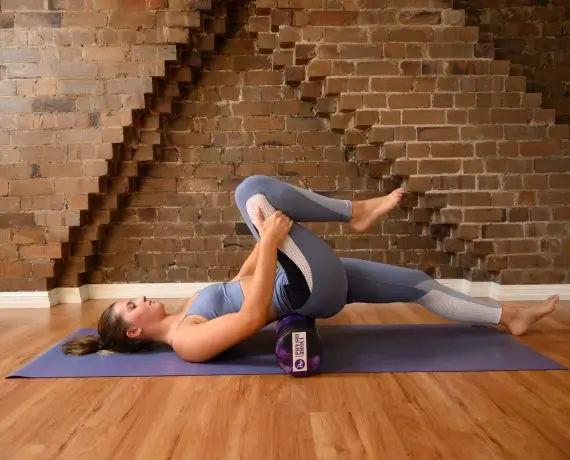
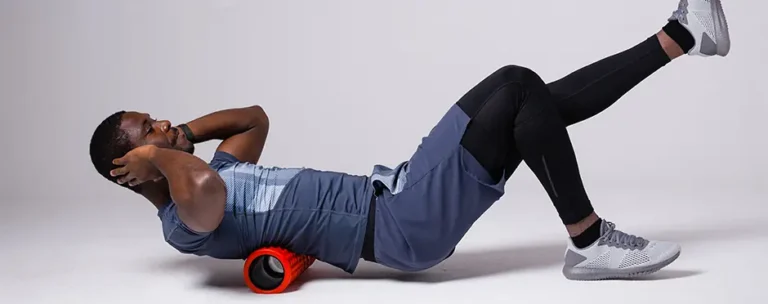
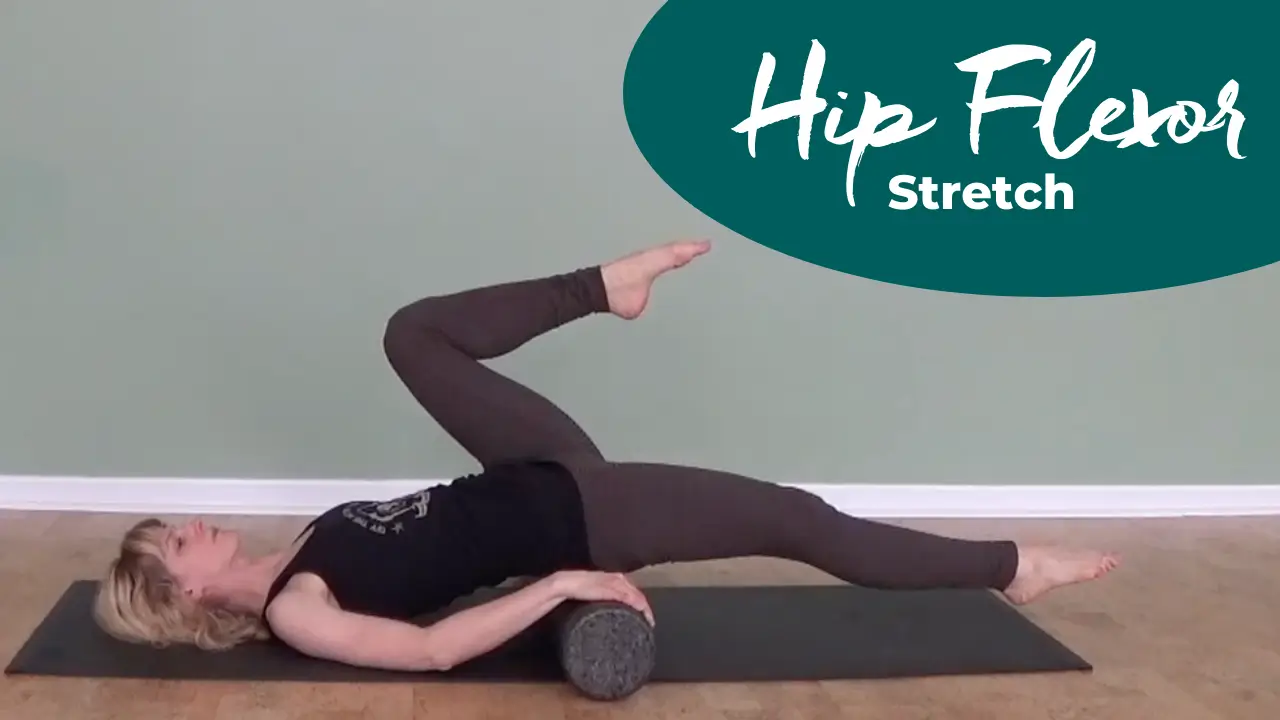
Lie on his back on the floor and place foam roller under the anterior of one hip. Lean on your body with forearms and rest the other leg. Gradually move forward and back, making sure that the roller is massaging the muscles on the front of the hip. Pay attention to movements that are under control and take a short pause on those parts that seem tight.
Hip Flexor Roll Single-Side.
To get to the side you are treating better, lean your body weight a little towards the affected hip. This will enable deeper pressure without making it too uncomfortable. Take your time to go around the area taking normal breaths. This method may assist in discovering and discharging certain regions of stress.
Hip Flexor Roll and Upper Thigh.
The rectus femoris is a muscle that crosses the hip joint and the knee joint and is strongly related to the work of hip flexor. Place the roller a little lower on the upper thigh and roll towards the front of the hip. This difference aids in correcting tightness which can occur to the quadriceps as well as the hip flexors. It is useful to many individuals following running, cycling or lower body exercises.
Best Stretches After Foam Rolling Hip Flexors
Kneeling Hip Flexor Stretch
Foam rolling activities can be followed by stretching to enhance flexibility and sustainability of mobility. Kneeling hip flexor stretch is one of the most effective stretches. Start in a half-kneeling position with one knee to the floor and the other foot forward. Left the hips forward with the torso straight. You would experience a stretch that is comfortable at the front of the hip. Keep it 20-30 seconds and turn sides.
Couch Stretch
One of the popular mobility exercises is the couch stretch which is used in tightening the hip flexors. Lean one knee against a wall or couch, and put the foot behind. Lunge using the other foot. Raise the torso slowly keeping hips square. This stretch provides a deeper stretch for the hip flexors and quadriceps. Athletes who want to increase the mobility of the lower parts of their bodies often use it.
When to Use a Foam Roller for Hip Flexors
Before Exercise
It is a common practice among most athletes to do a foam roller hip flexor routine prior to workouts. Foam rolling aids in the blood flow and warming the muscles to move. Prior to exercise, a short period can help to enhance movement and alleviate tightness. This can assist in making running, cycling and strength training more comfortable.
After Exercise
Foam rolling is beneficial post-physical activity as it improves recovery and alleviates muscle tension. The hip flexors may be tight and fatigued after intense exercise. Foam roller could be a beneficial tool to use after exercises to enhance blood flow and promote muscle relaxation.
Who Can Benefit From Foam Roller Hip Flexor Exercises?
Runners
Exercises that involve running impose repetitive stress on the hip flexors. These muscles act in a continuous manner to raise the knees and enable the movement to be efficient.
Foam rolling will assist runners to alleviate tightness and retain healthy mobility. Better flexibility can also help in the smoother running mechanics.
Cyclists
Bikes take much time in a posture that maintains the hip flexors in shortening. This may lead to rigidity and loss of movement as time goes by. Foam rolling can be performed regularly and can assist cyclists to maintain their flexibility and aid in their recovery between rides. It is also able to supplement strength-training and stretching programs.
Office Workers
One of the major causes of tight hip flexors is sitting. It is normal to find office workers being stiff and discomposed as a result of limited movement during the day. Regular foam rolling will aid in muscle tension reduction and enhance mobility. This can render standing, walking and exercising to be more comfortable.
Strength Training Athletes
Squats, lunges and leg raise exercises are some of the exercises that involve the hip flexors greatly. These muscles may get tight following lower-body exercises. Foam rolling aids recovery and good movement patterns. Foam rolling is a common procedure employed by many strength athletes after their workouts.
Common Foam Rolling Mistakes
Rolling Too Quickly
One of the most common mistakes is moving too quickly over the foam roller. When rolling is fast, this decreases efficacy since the muscles lack sufficient time to react to the pressure. Slow and deliberate movements are usually more effective. Slowness will assist in finding areas that require additional focus.
Using Too Much Pressure
The general belief is that the harder the pressure the better the result. But over pressure may make the situation more uncomfortable and result in tightening rather than relaxation of the muscles. Begin with a moderate pressure and slowly build up intensity as your body becomes familiar with the process.
Holding Your Breath
Breathing plays an important role during foam rolling sessions. Breathing in can cause more tension and relaxation in the muscles. Concentrate on slow, controlled breathing during every exercise. This assists in stimulating muscle release and enhances comfort in general.
Neglecting Stretching
Foam rolling is best used in conjunction with stretching and mobility exercises. There are people who concentrate on rolling and do not pay attention to flexible work. An example of this is stretching following foam rolling which can extend the effects of preserving mobility and enhancing healthy movement patterns.
Safety Tips for Foam Rolling Hip Flexors
Begin With Light Pressure.
Novices must not overworking themselves in the initial few sessions. Light pressure enables the muscles to adjust and lessen unwarranted pain. Intensity is adjustable with experience as needed, and based on recovery objectives.
Avoid Sensitive Areas
The hip has significant structures and nerves in the front. Target the muscles around the hip and not sensitive spots. In case of sharp pain or discomfort that is not usual, pause the exercise and reconsider your technique.
Have Good Body Positioning.
Proper body positioning aids in achieving effective and safe pressure. Maintain movement, restrain and do not twist or turn too much when rolling. Appropriate technique may enhance performance and minimize the chances of irritation.
Listen to Your Body
It is fine to deal with tight muscles, and it is not okay to experience sharp pain. Note the body response per session. Change pressure and methodology as necessary to make the recovery experience safe and fruitful.
FAQs
What is the frequency of foam rolling hip flexors?
The majority of individuals find foam rolling hip flexors to be beneficial three to five times a week. Patients who are very tight could opt to do shorter sessions more often.
What is the duration of foam rolling?
An average session takes five to ten minutes. A minute or two on each hip flexor is generally adequate.
Is foam rolling effective in improving hip mobility?
Yes. Foam rolling will also aid in muscle tension, and a better quality of tissues, which can lead to increased mobility and flexibility in the long run.
Do I need to stretch following foam rolling?
Yes. Foam rolling should be followed by stretching which may serve to sustain the mobility gains and enhance the flexibility better.
Can foam rolling be used daily?
In the case of a healthy person, the foam rolling can be conducted on a daily basis, but mildly. Intensity, however, should be modulated according to the need to recover and comfort.
Conclusion
Foam roller hip flexor routine can be a successful method of relieving muscle tension, enhancing flexibility, and aiding in recovery. The tightening of hip flexors occurs in runners, cyclists, office workers, and active people, and mobility work is particularly significant in ensuring the mobility quality in the long-term.
Using a mixture of foam rolling, stretching, and normal exercise will help you increase the mobility of your hips and decrease the stiffness caused by sitting a lot and vigorous activity. Enhanced mobility usually results in better posture, more fluid movement patterns, and is more comfortable during the day.