Protein for Muscle Building: How Much Do You Need?
Strength training is just one component of muscle-building. Your body should also have sufficient protein and nutrition to aid in repairing and development of muscle tissue. But just how much protein do you really need? When is the best time to eat protein – before or after training? Really, is a protein shake needed if you’re trying to build muscle?
Understanding protein for muscle building can assist you to make healthier food decisions, but not have to make food decisions all the time that are overly complicated. It’s about eating enough protein every day, as well as getting a good strength training routine and eating enough energy.
H2: Why Is Protein Important for Muscle Building?
In resistance training, the muscle is stressed in a way that elicits adaptation. Protein supplies amino acids which your body utilizes to fix and create muscle tissue. This is why protein intake is important to consider when bulking up or maintaining muscle mass.
But more protein does not necessarily mean more muscle. There are many factors involved in muscle growth, such as; progressive resistance training, nutrition, recovery and sufficient protein. Protein should be seen as a part of the equation, not a substitute for successful training.
H2: How Much Protein Do You Need to Build Muscle?
A frequently asked question about building muscle is, how much protein to build muscle Protein needs vary based on weight, fitness level, exercise intensity and goals. For individuals who workout for resistance regularly, consume around 1.6 grams of protein per kilogram of body weight.
To calculate the weight of a person, simply multiply their height and their weight index by the length of their arm. For instance, for a 70kg person, one would need about;
70 × 1.6 = 112 g of protein per day
H2: Protein Intake Should Be Consistent
Your muscles need protein not just on workout days. Consistent protein intake throughout the week, you could get the necessary amino acids for normal muscle maintenance and recovery from the protein you eat.
In general, if you are training 3 or 4 days a week, there isn’t really much point in drastically increasing your protein levels on training days, and drastically reducing it during rest days. Rather, spread protein out among your everyday meals.
For example:
- Breakfast: Eggs and yoghurt).
- Lunch: Chicken, rice, and vegetables for lunch.
- Snacks: Milk or Greek yoghurt.
- Dinner: Fish with Potatoes and Vegetables.
This can be a way to make your day-to-day protein intake easier to manage.
H2: What Foods Are High in Protein?
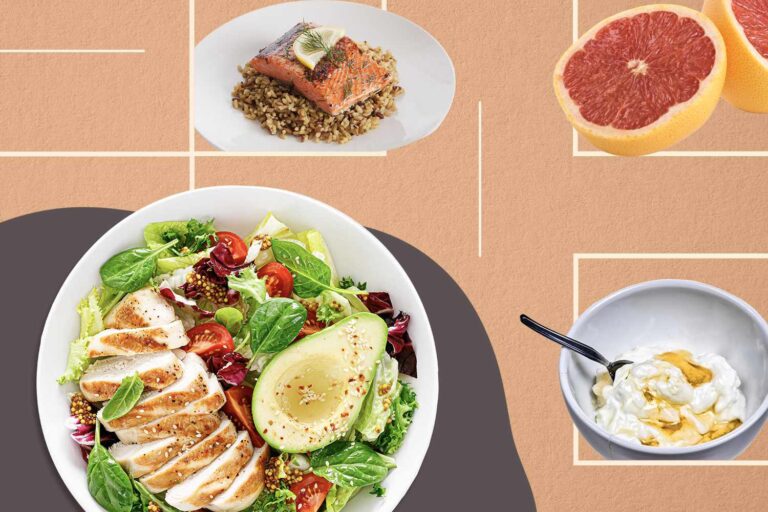
Such supplements are not necessary for obtaining sufficient protein for muscle building. There are many normal food items that can give a significant protein boost. Useful sources include:
- Chicken and turkey
- Fish
- Eggs
- Milk
- Greek yoghurt
- Cottage cheese
- Lean beef
- Beans
- Lentils
- Chickpeas
- Tofu
- Nuts and seeds
Animal foods contain complete proteins which contain all essential amino acids. When a diverse diet is included with a variety of protein sources, a plant-based food also makes a significant contribution. Select foods that suit food preference, budget and nutrition requirements.
H2: Protein From Animal and Plant Sources
Animal and plant foods can add to muscle growth nutrition.
Protein sources such as chicken, fish, eggs and dairy products are easily available. Fibre and other nutrients can also be obtained from plant foods like beans, lentils, chickpeas and soy products, which also contain protein.
However, a vegetarian diet can be a good source of protein when a combination of foods throughout the day provides a good amount of protein from a variety of sources and thus a broad spectrum of protein amino acids. It’s important to focus on the overall quality and quantity of what you’re eating, rather than on any single food.
H2: How Much Protein Should You Eat Per Meal?
Once you understand the daily goal for how much protein to build muscle, the next question is, how to distribute it. Instead of eating all of your protein at one time, it’s more practical to eat it in multiple meals. For instance, a person that is trying to reach around 120 grams a day might design their diet about this way:
- Breakfast: 25–30 g
- Lunch: 30–35 g
- Snack: 20–25 g
- Dinner: 30–35 g
This is a sample only. This is going to vary depending on your weight, eating habits and objectives. The main objective is to make your daily protein intake achievable and consistent.
H2: Protein Before a Workout
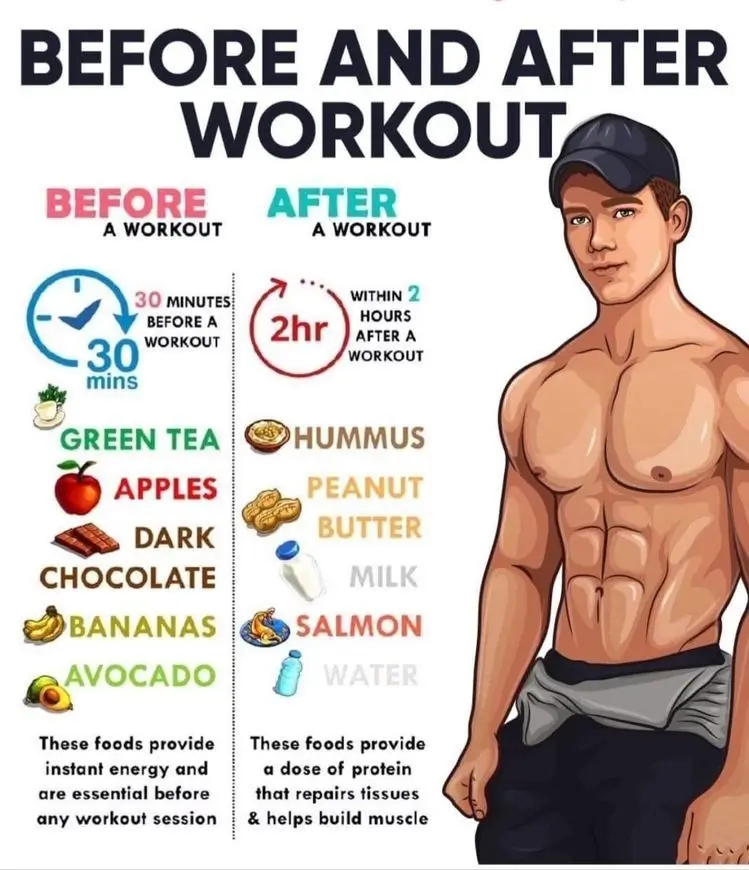
Consuming protein prior to resistance training can be incorporated into your diet for muscle growth nutrition strategy. A meal containing protein a few hours before training could include eggs with toast, chicken with rice or Greek yoghurt with oats. A protein shake is not required just before a workout.
Protein can be obtained from a normal balanced meal, or a source of carbohydrates can be used for energy. Smaller snacks like milk or yoghurt may be better tolerated if you need to train shortly after waking up or if you don’t have much time before you get in the gym.
H2: Protein After a Workout
Another time to eat protein is after exercising. Resistance training elevates muscle protein turnover and the recovery process can be aided by adequate amino acid provision. Post workout meal with protein may be chicken and rice, eggs and potatoes, fish and vegetables, yoghurt and fruit and oats.
The exact time of the occurrence does not have to be considered an emergency. Your total daily protein intake, if you’re making an effort to eat protein in a very short window after your workout, that’s not as crucial as it might seem.
H2: Do You Need Protein Shakes for Muscle Growth?
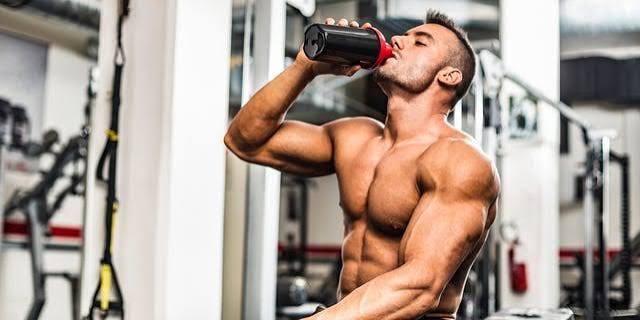
While protein shakes can be handy, they don’t need to be a part of your routine to consume protein for muscle building. If you are having trouble getting enough protein from regular food, a protein powder can be beneficial. For instance, a person with a busy schedule may prefer to take a shake after exercise than a full meal.
Whole foods also offer other nutrients which protein powders may not offer in the same capacity. Although you may have plenty of protein in your daily eating plan, several protein shakes may not offer extra benefits to you.
H2: Protein and Calories for Muscle Growth
Protein is a good thing, muscle growth nutrition More than protein is involved in. There also should be enough energy in the form of carbohydrates and fats. When you consistently fail to eat enough calories to gain muscle, it may be even harder to put on muscle if you are eating high protein.
A person who is specifically trying to gain muscle could then require an appropriate number of calories in addition to resistance training. However, if the goal is to reduce body fat, a calorie deficit is used, but protein is maintained at a relative high level to help maintain lean mass. Your nutrition plan should therefore be in line with your main goal.
H2: Can You Eat Too Much Protein?
works alongside—not instead of—progressive strength training, adequate calories and proper recovery. A balanced approach is more practical and sustainable than simply trying to consume as much protein as possible how much protein to build muscle. Also, check if your diet is well-balanced. Protein should be balanced along with the other foods in your diet, not be the primary focus.
H2: Protein for Beginners Building Muscle
If you are just starting to work out with resistance, you don’t require a complex nutrition program. The first step is to create a realistic protein intake Eating and drinking foods that are high in protein should be what you’re doing regularly. A simple beginner’s technique might be:
- Work out your protein requirement.
- Try to incorporate a protein source into each of your main meals.
- If needed, offer a protein source snack.
- Follow a consistent resistance-training programme.
- Give plenty of rest.
- Check how your diet is going and modify it as needed.
This way is less of a burden to follow than trying a very low protein diet.
H2: Common Protein Mistakes
A mistake that many people make is thinking of protein without considering the total calories and carbohydrates consumed. A second is depending almost exclusively on supplements, instead of creating meals from the healthiest foods. Others may eat the majority of their protein at night when they didn’t plan with their breakfast and lunch. A better way is to spread protein intake throughout the day and make it part of your normal eating routine.
Another error is thinking that you can get results from protein alone. If the stimulus for muscle development is not provided, protein alone will not provide it. If there is no progressive resistance training, proper recovery, and consistency, then increasing protein will not provide the necessary stimulus to build muscle.
H2: A Simple Muscle Growth Nutrition Plan
The simple daily routine can be made easier by a straightforward daily routine for muscle growth nutrition to follow.
H3: Breakfast
Eggs served on whole-grain toast and yoghurt, or on a serving of oats cooked in milk and fruit.
H3: Lunch
Chicken, lean beef, fish or beans with rice, potatoes or other carbohydrate source and vegetables.
H3: Snack
Greek yoghurt, cottage cheese, milk, eggs or protein shake, if available.
H3: Dinner
A protein source (fish, chicken, lean meat, tofu or legumes) plus vegetables and an appropriate carbohydrate source. The exact amount should be dependent on your body size, activity level and overall calorie need.
H2: Combine Protein With Strength Training
Nutrition should not be used as a substitute for resistance training for the purposes of muscle development. The stimulus to train your muscles is just as important as the nutrients to fuel them.
A good strength program should gradually progress your muscles with regard to resistance, number of repetitions, number of sets or exercise intensity. When adequate protein for muscle building together with progressive training and adequate recovery, your diet can better support the adaptation achieved by training.
H2: Conclusion
Understanding protein for muscle building does not need an overly complicated diet. If you are an active resistance training individual, a good rule of thumb is to get about 1.6 g of protein per kg of body weight per day, but this may differ depending on individual needs.
Focus on consistent protein intake, spread protein out over meals and select a variety of protein options. Convenience can be provided by supplements, but if there’s sufficient protein in the normal diet then those supplements are not necessary.
Finally, remember that muscle growth nutrition complements, does not replace, progressive strength training and sufficient calories and good recovery. A balanced diet is more sensible and feasible than just eating too much protein.