Are Low Impact HIIT Workouts Effective? Everything You Need to Know
HIIT workouts that are low impact have recently swept the fitness world. Are low impact hiit workouts effective enough to provide the actual, substantial, and sustainable results? Low impact is often believed to be low intensity and hence ineffective. That supposition misconstrues what HIIT is actually powerful and transformative in the first place.
H.I.I.T. is determined by the intensity and not the effect on your joints. Also, low impact merely involves maintaining one foot on the ground or putting a lot of stress on a joint. Hence, you will be able to exercise to the highest cardiovascular and metabolic intensity, without jumping and pounding. The effectiveness of the workout is far more dependent upon your heart rate, breathing, and muscle recruitment than impact level is.
What Exactly Is Low Impact HIIT and How Does It Work
Low impact HIIT is a mixture of interval training concepts and joint-friendly movement patterns and exercises. Conventional HIIT involves jumping, running and plyometric exercises which produce a lot of force on the joints. Also, low impact variations substitute these high-impact movements with equivalents of equal intensity but low impact. Consequently, there is a high cardiovascular and metabolic challenge and an acceptable level of joint stress.
Moreover, the interval model is the same as conventional high intensity interval training programs. You labor at almost full exhaustion during a specified time and then have a planned rest period. Accordingly, this work-rest cycling induces identical potent metabolic and cardiovascular modifications to conventional HIIT.
The Science Behind Low Impact HIIT Effectiveness
Low impact HIIT is highly supported by science as a really effective form of training in the majority of individuals. Several peer-reviewed studies support the fact that interval training enhances cardiovascular fitness at all levels of impact. Also, studies indicate that low impact HIIT leads to considerable gains in VO2 max and metabolic rate. Thus, the scientific background of this training technique is strong, well-grounded, and constantly developing.
Moreover, a journal article in the Journal of Sports Medicine concluded that low impact HIIT was just as effective in fat loss. Similar improvements in body fat percentage were realized among participants as compared to the conventional high impact HIIT groups. Therefore, the effects of impact level did not influence fat loss results under the condition of a controlled intensity of training. Excess post-exercise oxygen consumption, or the afterburn effect, is experienced during low impact training.
Key Benefits of Low Impact HIIT Workouts
Joint Protection Without Sacrificing Cardiovascular Intensity
The greatest benefit of low impact HIIT is its high profile protection of the joints. Conventional jumping and running activities produce two to seven times your bodyweight ground reaction forces. Also, these high frequency impacts that are repetitive cause cumulative effects that will lead to wear and injury on the joints. Thus, removing impact and preserving intensity is an effective way of safeguarding your long-term joint health.
Moreover, individuals with arthritis, prior injuries or people with chronic joint pain will be able to train hard without any complication. Low impact HIIT can enable frequent training devoid of injury setbacks that derail most fitness programs. As a result, long-term outcomes are always better when injury free regular training is performed compared to infrequent intense training with rest intervals.
Superior Accessibility for a Wider Range of People
Low impact HIIT exposes high intensity cardiovascular training to individuals who are unable to engage in high impact training. Novices, the elderly, obese, and individuals with an injured body are all benefiting greatly. Also, low impact HIIT can in most cases safely be done by pregnant women and postpartum women with a few modifications. Consequently, this mode of training is democratic in making interval training effective to all the levels of fitness and age.
Moreover, do low impact HIIT exercises work with total beginners that have never exercised in their lives? Definitely yes, since the intensity is all self-governed and depending on the level of your present fitness. As a result, an amateur who trains at his or her own pace has the same physiological benefits as an elite athlete. Low impact HIIT is among the most accessible types of workouts as it can be scaled to fit almost everyone.
Effective Fat Burning and Metabolic Boost
Low impact HIIT causes potent fat burning effects that compete and sometimes surpass the conventional cardio strategies. The metabolic effect produced when intense interval work is done increases your metabolism up to forty-eight hours. Moreover, this longer metabolic boost uses a lot more overall calories than an equivalent steady-state cardio workout.
Moreover, HIIT training of any intensity enhances your body to use fat as fuel. Regular low impact HIIT workouts condition your metabolism to tap into and burn up stored fat more effectively. This will make you a more effective fat-burning machine even when resting and on lower-intensity activities.
Best Low Impact HIIT Exercises That Deliver Maximum Results
Upper Body and Core Low Impact HIIT Movements
Slams on battle rope are a superb low impact upper body HIIT workout that should be done by all. They work your heart very fast and produce no effect on your knees and hips. Moreover, seated or standing boxing combinations are also a good workout with no jumping needed; they provide a powerful heart exercise. Thus, it is possible to fully engage your upper body in the cardiovascular intensity using these movements.
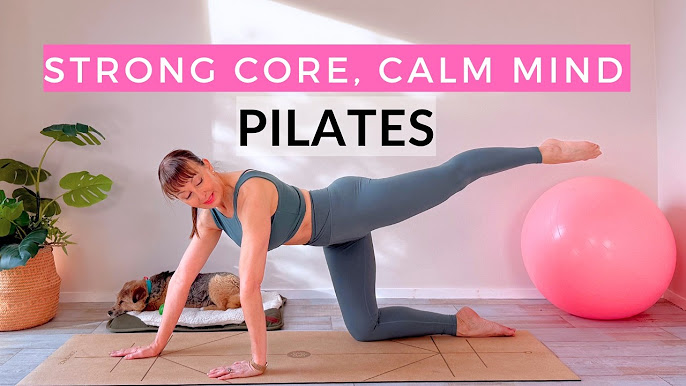
Moreover, high-speed mountain climbers generate a large cardiovascular load with a small amount of load on the joint. Speed changeover to plank to downward dog increases the heart rate and at the same time strengthens the core. These movements can thus be combined in a sequence to produce a very effective upper body and core HIIT circuit.
Lower Body Low Impact HIIT Movements That Spike Your Heart Rate
The highest speed squat pulses are a great workout of the lower body and the heart at the same time. Quick lateral band walks are an effective workout that pushes your buttocks and raises your heart rate without any form of jumping. Also, rebounding reverse lunges are intense leg and heart exercises in a single motion. Thus, speed and not impact alone can cause your lower body to demand high cardiovascular performance.
Moreover, sumo squat to calf raise is fast and raises the heart rate as well as has been found to build leg strength. Glute bridge marches are a fast-paced exercise that puts your core, glutes, and cardiovascular system to the test each set. Therefore, these movements conclusively demonstrate that lower body intensity can be achieved without jumping or high impact moves.
Full Body Low Impact HIIT Combinations
Full body movements generate the highest cardiovascular load and calories per minute. One of the best full body exercises is the low impact burpee which is done without the jump. It also works your chest, shoulders, core and legs and leaves your heart racing dramatically. Thus, a variation of the burpee is a modified version that you can add to each low impact HIIT session to get maximum results.
In addition, kettlebell swings with appropriate hip hinge exercises provide superior full body cardiovascular exercise. The explosive hip extension provides great cardiovascular work without undue burden on your joints. As a result, kettlebell swings are continuously listed as one of the most effective low impact HIIT exercises by researchers.
How to Structure an Effective Low Impact HIIT Session
Work-Rest Ratios That Maximize Results
The appropriate work-rest ratio is a choice of how effective your low impact HIIT session will be. Novices ought to begin with a one to two ratio, that is, twenty seconds work and forty seconds rest. Also, this low ratio enables one to work hard as long as he or she can work without becoming exhausted before the workday ends.
Moreover, middle level exercisers may advance to a 30-to-30-second ratio of work to rest. The athletes who are advanced can test themselves using a ratio of fifty to one of forty seconds work to twenty seconds rest. As such, the weekly advancement with the help of these ratios leads to constant adaptation, and fitness plateaus are avoided.
Sample 25-Minute Low Impact HIIT Workout Structure
Warm-Up: Five Minutes
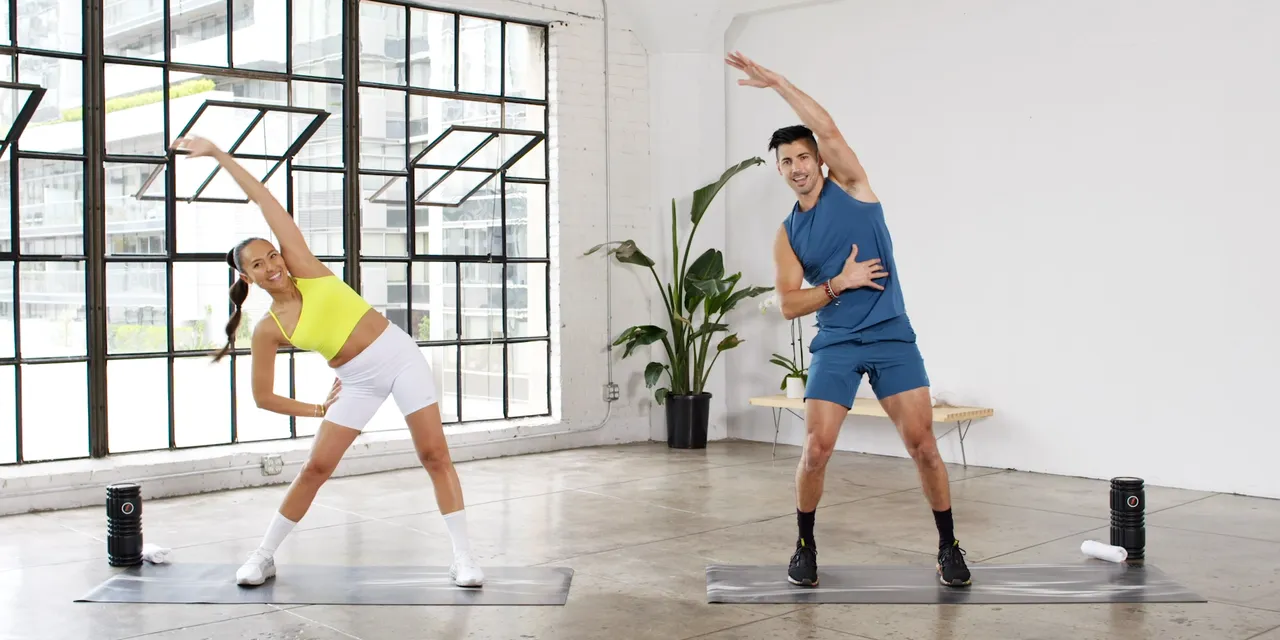
Warm up by marching, circling hips, swinging arms and swinging legs.
Circuit One: Eight Minutes
Squat pulse half an hour, rest half an hour, fast reverse lunges half an hour, rest half an hour, repeat twice.
Circuit Two: Eight Minutes
Thirty-second mountain climbers, thirty-second rests, thirty-second battle rope slams, thirty-second rests, two times.
Circuit Three: Four Minutes
Low impact burpees thirty seconds, rest thirty seconds, kettlebell swings thirty seconds, rest thirty seconds
Cool-Down: Five Minutes
Walking slowly, lying in one position, deep breathing, and lying on foam to aid the recovery.
How Often Should You Do Low Impact HIIT Each Week
The frequency of low impact HIIT is based on your training regimen and the ability to recover. The best range of most people is two to three low impact HIIT sessions per week. Also, interspersed sessions separated by at least forty-eight hours will ensure that there is sufficient cardiovascular and muscle rest between sessions.
Moreover, the low impact HIIT and 2-3 strength training sessions make a whole package of training each week. Such a combination will work on cardiovascular fitness, muscle building, and metabolic health jointly every single week. Therefore, the combination of strength training and HIIT has much better body composition outcomes compared to either.
Who Benefits Most From Low Impact HIIT Workouts
Women Over 40 and Older Adults
There are a number of strong and evidence-based reasons why low impact HIIT is of immense benefit to women above forty. Reduced estrogen levels make joints more sensitive and prolongs the period of recovery between intense exercise. Also, high impact sports such as running and jumping are riskier to injury since joint lubrication is inherently diminished.
Moreover, are low impact hiit workouts effective to actually increase bone density in elderly women in particular? Yes, low impact HIIT based on resistance, which also involves exercises involving weight-bearing effects, induces significant bone remodeling. As such older women are able to enhance their cardiovascular fitness and bone health at the same time during this type of training.
Beginners and People Returning From Injury
Low impact HIIT is much less daunting and physically challenging to beginners than the more traditional versions of high impact HIIT. This lack of jumping eliminates a major psychological and physical obstacle of many fresh exercisers totally. Also, novices are able to concentrate solely on effort, as opposed to dealing with complicated plyometric movement patterns.
Moreover, individuals who have sustained lower body injuries can safely resume training with low impact HIIT. Cardiovascular fitness is maintained on upper body focused low impact intervals to enable the body to recuperate lower body injuries. As a result, athletes who have been injured do not lose the cardiovascular base and do not run the risk of derailing their recovery.
FAQs
Do low impact HIIT exercises lose weight better than regular HIIT?
Yes, low impact HIIT can give similar weight loss outcomes with a real maximization of training intensity. Moreover, the afterburn effect is also present in low impact training and lasts hours after the training.
Can low impact HIIT substitute running as a way to improve cardiovascular fitness?
Yes, low impact HIIT can completely substitute running and provide the same or better cardiovascular benefits. Also, it can do so without the joint accumulated stress that running causes after months of training.
What is the intensity of low impact HIIT that should be experienced during the reality work periods?
Work periods must be perceived to be real and on the perceived exertion scale of seven to nine out of ten. Moreover, when you can comfortably talk when you are at work, then you are not working hard.
Do you need equipment to perform effective low impact HIIT workouts at home?
No, there are no requirements at all for equipment to conduct highly effective low impact HIIT sessions other than your own body weight. Also, when you have resistance bands and a single kettlebell, it brings tremendous variety and intensity as well.
What is the time it takes beginners to see the results of low impact HIIT training?
The majority of the beginners can observe significant gains in cardiovascular fitness and energy in three to four weeks. Moreover, the noticeable alterations in body composition are usually evident after eight to twelve weeks of regular exercise.
Conclusion
Are low impact hiit workouts effective enough to change your fitness and body composition forever? The response is a resounding and scientifically-proven yes that is without any reservation or doubt. Moreover, low load HIIT provides cardiovascular fitness, fat loss, and metabolic enhancement that are affordable to nearly all.
Also, the study repeatedly validates that training effectiveness is not dependent on impact level in the case of maximizing effort. Younger women above forty, beginners, those with injuries, and those who simply want to exercise their joints are all the better. Are low impact hiit workouts effective to achieve sustainable fitness gains and body change in the long term? Of course, since the injury-free consistency which they allow is the ultimate basis of all permanent fitness outcomes.