Guided Hiking Tours for Beginners: Complete 2026 Guide
Starting your hiking journey can feel overwhelming. You see stunning trail photos online, but you’re not sure if you’re fit enough, what gear you need, or whether you’ll slow everyone down. These doubts stop many people from experiencing the physical and mental benefits of outdoor fitness.
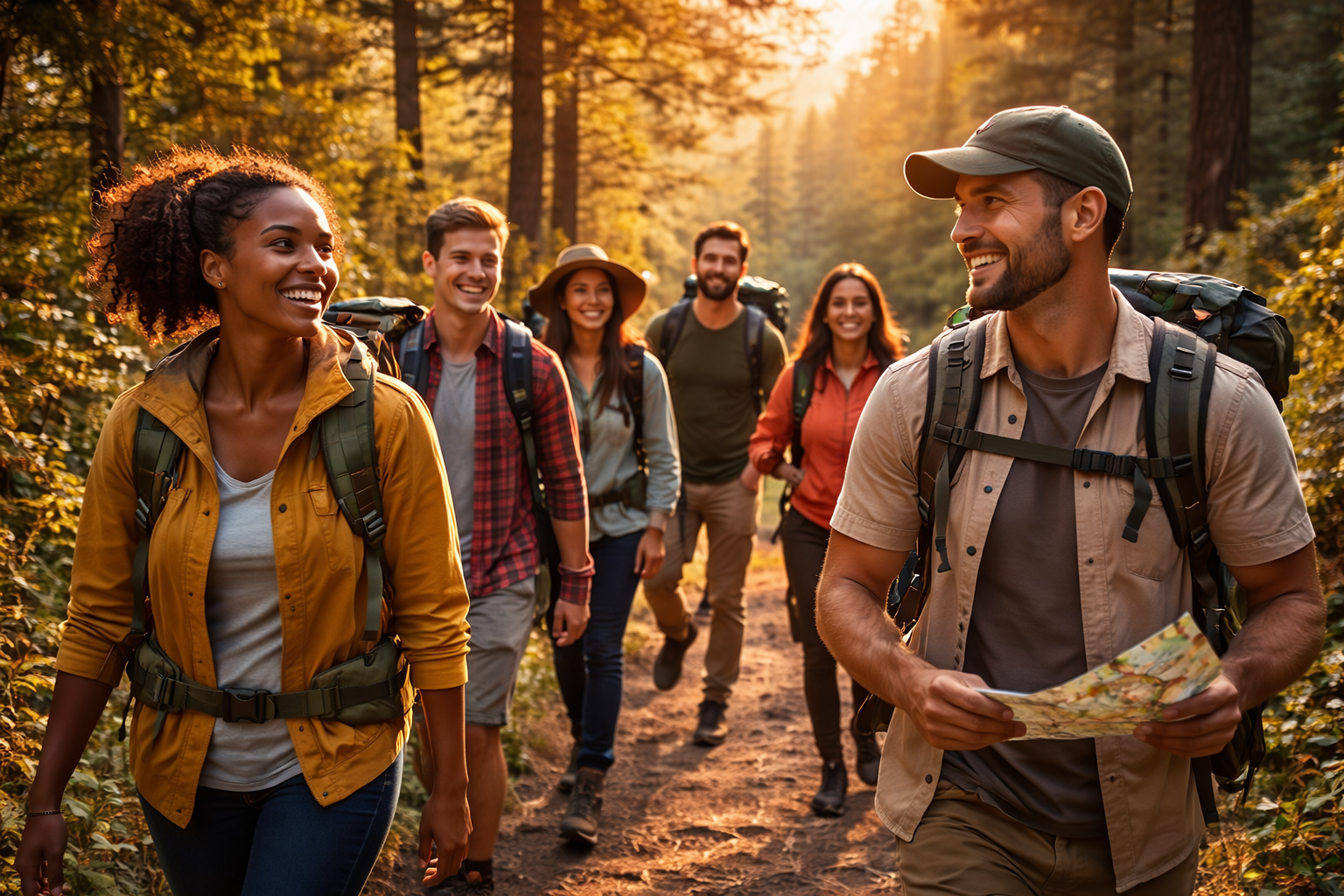
Guided hiking tours for beginners are organized outdoor experiences led by professional guides who lead groups through carefully selected trails while providing instruction, safety support, and encouragement. These tours remove the guesswork from hiking by handling navigation, pacing, and logistics so newcomers can focus on enjoying nature.
The right beginner tour transforms hiking from intimidating to accessible. You’ll gain confidence, learn proper techniques, and discover whether hiking fits your lifestyle—all without the risks of going alone.
This guide explains how these tours work, what you’ll actually experience, how to prepare, and how to choose a tour operator that matches your fitness level and goals.
TL;DR
Guided hiking tours for beginners offer a safe, structured way to start hiking with professional leadership, appropriate pacing, and group support. They typically last 2-6 hours, cover easy to moderate terrain, and include basic instruction on hiking techniques and safety. Choose tours based on your current fitness level, read reviews carefully, and prepare with basic gear and realistic expectations.
What Makes a Hiking Tour Truly Beginner-Friendly
Not all tours labeled “beginner” actually suit first-timers. Genuine beginner tours share specific characteristics that make them accessible.
The pace stays deliberately slow. Guides build in frequent stops for water, photos, and rest. You’re never rushed or pressured to keep up with experienced hikers.
Trail selection matters enormously. True beginner routes avoid steep climbs, dangerous drop-offs, and technical terrain requiring special skills. Most stay under 5 miles total distance with minimal elevation gain.
Group sizes remain small, typically 6-12 people. This lets guides give individual attention and adjust the experience based on how participants feel.
Instruction comes naturally throughout the walk. Guides explain proper foot placement, how to use trekking poles, pacing strategies, and trail etiquette as situations arise.
For example, REI Adventures offers half-day beginner hikes in multiple national parks where guides specifically focus on building confidence rather than covering distance. Participants learn while walking, not through formal lectures.
Why Beginners Choose Guided Tours Over Solo Hiking
Safety provides the most obvious reason. Guides know the trails, carry first aid supplies, understand weather patterns, and can handle emergencies. You won’t get lost or face unexpected dangers alone.
Learning happens faster with expert feedback. Guides correct your form, suggest better techniques, and answer questions immediately. This prevents bad habits that lead to fatigue or injury.
Motivation stays higher in groups. When you feel tired, seeing others continue helps you push through mental barriers. The social element makes challenging moments more enjoyable.
Logistics become someone else’s responsibility. You don’t need to research trails, download maps, or worry about navigation. Just show up.
Gear requirements stay minimal at first. Many tour operators provide trekking poles and sometimes even day packs. You can try hiking before investing in expensive equipment.
The psychological benefit matters too. Many beginners feel intimidated by hiking culture or worry about judgment. Good guides create welcoming environments where questions aren’t stupid and going slow is perfectly acceptable.
What to Actually Expect on Your First Tour
Understanding the realistic experience helps manage expectations and reduces anxiety.
Most beginner tours start with introductions and a brief safety talk. The guide explains the route, expected duration, and what to do if you need to stop.
The first 15 minutes often feel awkward as your body adjusts and the group finds its rhythm. This is completely normal. Your breathing will regulate and legs will warm up.
Guides stop every 20-30 minutes, especially uphill. These aren’t just rest breaks—guides use them to point out plants, explain geology, or teach hiking skills.
You’ll probably finish less tired than expected. Proper pacing makes a huge difference. Many beginners report feeling energized rather than exhausted.
The terrain varies but stays manageable. Expect dirt paths, some rocks, possibly tree roots. You might encounter small stream crossings on logs or stones. Nothing requires climbing or scrambling.
Weather affects the experience significantly. A sunny 65°F day feels different than 80°F humidity or light rain. Good operators adjust plans based on conditions.
Most tours end with a sense of accomplishment that surprises first-timers. You’ll likely cover 3-4 miles, gain 500-800 feet of elevation, and prove to yourself that you’re more capable than you thought.
Fitness Level Requirements (Honest Assessment)
Tour descriptions use vague terms like “moderate fitness.” Here’s what that actually means.
Basic fitness level: You can walk continuously for 30 minutes without stopping. You can climb two flights of stairs without severe breathlessness. You don’t need to run marathons or visit gyms regularly.
Realistic preparation: If you currently walk less than 20 minutes at a time, spend 2-3 weeks building up to 45-minute walks before your tour. This makes the experience enjoyable rather than suffering.
Age matters less than current activity: Active 60-year-olds often outpace sedentary 30-year-olds. Guides care about your current movement habits, not your age.
Weight isn’t typically a barrier: Hiking uses different muscles than gym workouts. Heavier individuals often complete beginner tours successfully when they prepare appropriately and choose suitable terrain.
Medical concerns need disclosure: Knee problems, asthma, or heart conditions don’t necessarily disqualify you, but guides need to know. They can make accommodations or suggest more appropriate tours.
Honesty with yourself prevents miserable experiences. If a tour description mentions “some steep sections” and you currently get winded walking your neighborhood, choose an easier option first.
Choosing the Right Tour Operator
Quality varies dramatically between companies. These factors separate excellent operators from mediocre ones.
Guide qualifications matter most: Look for Wilderness First Responder certification at minimum. Many top guides hold Leave No Trace trainer status or naturalist certifications. Their bio should demonstrate substantial trail experience.
Reviews reveal patterns: One bad review might be an outlier. Multiple mentions of rushed pacing, inattentive guides, or misrepresented difficulty levels indicate problems. Read at least 10-15 recent reviews.
Clear communication before booking: Good operators ask about your fitness level, answer questions thoroughly, and provide detailed gear lists. Vague responses or pressure to book quickly are red flags.
Group size policies: Companies limiting groups to 8-10 participants provide better experiences than those running groups of 15-20.
Cancellation and weather policies: Flexible operators reschedule for dangerous weather and offer reasonable cancellation terms. Rigid policies often indicate customer service problems.
Pricing reflects value: Expect to pay $60-120 for half-day tours in the USA. Significantly cheaper options often mean inexperienced guides or oversized groups.
Local outdoor retailers like REI or regional adventure companies typically maintain higher standards than marketplace platforms where anyone can list tours.
Essential Gear and What You Can Skip
Beginners often either over-pack or show up completely unprepared. This balanced approach works for most tours.
Bring These Items:
Footwear: Hiking boots or trail runners with ankle support and good tread. Your regular sneakers work for very flat, short trails but cause problems on uneven terrain.
Water: 1-2 liters depending on duration and temperature. Dehydration ruins experiences faster than anything else.
Snacks: Easily digestible foods like trail mix, energy bars, or fruit. Your body needs fuel every 60-90 minutes.
Sun protection: Hat, sunglasses, and SPF 30+ sunscreen. Even cloudy days cause sunburn at elevation.
Light layers: Temperatures change with elevation and afternoon weather. A light jacket or fleece stays in your pack until needed.
Small first aid kit: Bandages, blister treatment, any personal medications. Most guides carry comprehensive kits, but having basics helps.
Skip These (For Now):
Expensive hiking pants: Regular athletic wear works fine initially. Invest after you know you’ll continue hiking.
GPS devices: The guide handles navigation. Your phone works for photos.
Trekking poles: Many operators provide these, or you can see if you like them before buying.
Specialized gear: Items like gaiters, compression socks, or hydration bladders are nice but unnecessary for beginner tours.
Regional Considerations Across North America
Location affects tour availability, terrain types, and seasonal timing.
USA variations: The Pacific Northwest offers lush forest trails with frequent rain considerations. Southwest desert hikes require extra water and sun protection. Eastern trails often feature more humidity and elevation gain than distance suggests.
Canadian differences: Tours in British Columbia and Alberta often include more wildlife encounter protocols. Bear safety becomes a bigger focus than in most US locations.
UK alternatives: British guided walks tend to be longer in duration but gentler in elevation. The cultural approach emphasizes rambling over hiking, with more frequent pub stops.
Seasonal timing: Summer (June-August) offers the most tours but also crowds and heat. Spring and fall provide ideal temperatures in most regions. Winter tours exist but require different preparation.
The best seasons for beginners are late spring (May) and early fall (September-October) when weather is stable but trails are less crowded.
Common Beginner Mistakes to Avoid
These issues come up repeatedly with first-time hikers.
Wearing brand new boots: Break in footwear before your tour. Even quality boots cause blisters when worn for the first time on a 4-mile hike.
Skipping breakfast: Low blood sugar makes everything harder. Eat a real meal 1-2 hours before starting.
Bringing too much water, carrying it wrong: Two heavy bottles bouncing in a backpack cause shoulder pain. Use a hydration bladder or balanced bottle placement.
Ignoring the pace: Trying to prove you’re fit by starting fast leads to exhaustion. Let the guide set the speed.
Overdressing: You’ll warm up within 10 minutes. Start slightly cool rather than comfortable.
Forgetting to mention discomfort: Guides can’t help if you don’t speak up. Developing blisters or feeling dizzy requires immediate attention.
Comparing yourself to others: Everyone has different fitness backgrounds. Focus on your own experience.
Building on Your First Tour Experience
Your first tour should lead somewhere, whether that’s regular hiking or just occasional outdoor activity.
Consider joining multiple beginner tours before attempting solo hikes. Each teaches different skills and builds confidence in varied terrain.
Many participants transition to intermediate tours within 3-6 months. This progression feels natural when you’ve built base fitness and learned fundamental techniques.
Some tour companies offer series packages where the difficulty gradually increases. These structured progressions work well for goal-oriented beginners.
Connect with other participants through social media or outdoor clubs. Finding regular hiking partners makes the activity sustainable long-term.
Track your experiences in a simple journal. Note what felt easy, what challenged you, and what gear worked. This information guides future decisions.
The outdoor fitness community welcomes beginners genuinely trying to learn. You’ll find more support than judgment.
Cost Considerations and Value Assessment
Understanding pricing helps you budget appropriately and recognize good value.
Typical pricing in the USA:
- Half-day tours (3-4 hours): $60-90
- Full-day tours (6-8 hours): $120-180
- Multi-day beginner programs: $400-800
What’s included: Most prices cover guide services, safety equipment, and sometimes park entrance fees. Meals, transportation to trailheads, and personal gear are usually separate.
Hidden costs to consider: Transportation to the meeting point, gear purchases, tipping guides (15-20% is standard), and food.
Value indicators: Small group sizes, experienced guides with certifications, and detailed pre-trip communication justify higher prices.
Budget alternatives: Many outdoor organizations like Sierra Club offer volunteer-led hikes for $5-20. State parks frequently run free guided nature walks, though these are typically shorter and less instructional.
Investment perspective: One quality tour costs less than a gym membership month but might determine whether you develop a lifelong outdoor fitness habit.
Frequently Asked Questions
Do I need to be in good shape for beginner hiking tours?
You need basic fitness like walking 30 minutes continuously and climbing stairs without severe breathlessness, but you don’t need gym experience or running ability. Most beginner tours accommodate people who are currently inactive but want to start moving more.
What happens if I can’t keep up with the group?
Reputable guides adjust the pace to the slowest member and build in frequent rest stops. If you’re struggling, guides can shorten the route or arrange for you to turn back safely. Communication is key—speak up early if you’re having difficulty.
How far do beginner hiking tours usually go?
Most beginner tours cover 2-5 miles over 2-4 hours, with minimal elevation gain (under 800 feet). The focus is on enjoyable experience rather than distance, so expect frequent stops and a pace that allows conversation.
What should I wear on my first guided hike?
Wear moisture-wicking layers, sturdy shoes with good tread (hiking boots or trail runners), and bring a light jacket regardless of forecast. Avoid cotton clothing, jeans, and brand new footwear. Dress as if you’re going to the gym, then add sun protection.
Are guided hiking tours safe for solo travelers?
Yes, guided tours are ideal for solo travelers since the group structure provides social interaction and safety. Many participants join alone, and guides ensure everyone feels included. It’s actually safer than hiking alone and offers opportunities to meet like-minded people.
When is the best time of year for beginner hikers?
Late spring (May) and early fall (September-October) offer the best conditions in most of North America—stable weather, moderate temperatures, and fewer crowds. Avoid peak summer heat and winter conditions until you’ve gained more experience.
Making Your Decision
Choosing to join your first tour requires courage. You’re acknowledging both your current limitations and your desire to grow beyond them.
Start by researching operators in your area. Read their beginner tour descriptions carefully. If anything seems unclear, call and ask questions. How they respond tells you about their customer service quality.
Book something within the next 4-6 weeks. This timeline gives you enough preparation time without losing momentum to overthinking.
Prepare gradually. Take three or four 30-45 minute walks in the weeks before your tour. Test your footwear and backpack. This small investment makes the actual experience dramatically better.
Remember that everyone on beginner tours was once exactly where you are now. The experienced hikers you see on trails all started with that first nervous step.
Outdoor fitness becomes accessible when you have knowledgeable support. Guided tours provide that support while teaching skills you’ll use for years.
Your first hike might feel challenging in moments, but it won’t be as hard as you fear. The view from the first overlook, the satisfaction of completing the trail, and the realization that your body can do more than you thought—these experiences make the effort worthwhile.
Nature doesn’t require you to be an athlete. It just asks you to show up and take one step at a time.
Call to Action
Start planning your first trail experience this week. Research local tour operators, read their reviews, and reach out with your questions. The hiking community wants to see you succeed, and the trails are waiting. Your outdoor fitness journey begins with that first step—make it a guided one.