Outdoor Gym Fitness Equipment: The Complete Guide to Training Outside
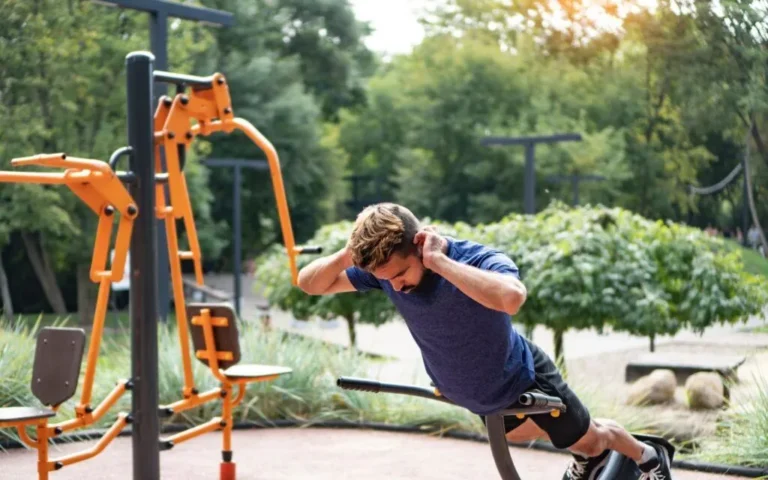
Outdoor training areas have entirely altered the way communities have treated the concept of public health and fitness. The outdoor gym fitness equipment has made professional fitness training affordable to all people without expensive subscriptions. There are numerous individuals who pass by these amazing free training resources on a daily basis without acting on it.
There has been an enormous increase in the number of public outdoor gym installations in parks, schools and recreational areas all over the world. Moreover, the quality and assortment of equipment that can be bought in these outside areas is getting better annually. Thus, knowing precisely what equipment you have and how to utilize it is the best way to get your training results to the maximum.
Why Outdoor Gym Fitness Equipment Has Transformed Community Health
Outdoor gym structures placed in public places are one of the largest community health investments in the past decades. Elimination of fiscal obstacles to good exercise equipment will boost physical activity levels on a community-wide scale. Also, the outdoor gym fitness equipment caters to all the groups of young children up to the aged adults in a single place. Hence, the health benefits offered by these installations to the community are extensive and much more than their comparatively low installation expenses.
Additionally, studies always indicate that an available exercise facility will boost the physical activity of the communities around it. Individuals who reside within five minutes of outdoor fitness equipment exercise much more in comparison with individuals who do not have access to it. As a result, planned placement of outdoor gym equipment in parks has a consistent positive effect on the population’s health.
Types of Outdoor Gym Fitness Equipment and Their Training Benefits
Upper Body Outdoor Gym Equipment
The simplest and most adaptable type of upper body outdoor gym fitness equipment is the pull-up bars. They allow pull-ups, chin-ups, hanging core exercises and dead hangs to keep the shoulders healthy. Also, the pull-up bars can support all levels of fitness, including an extreme beginner and an athlete practicing calisthenics.
Moreover, parallel bars and dip stations are efficient in building up superior tricep, chest and shoulder pushing strength. Dips on parallel bars on the outside enhance upper body pushing strength that is equivalent to the bench press training. Therefore, a combination of pull-up bars and dip stations will form a complete upper body pulling and pushing training system. Rows, inverted rows, and Australian pull-ups are all provided in horizontal bars of different heights.
Lower Body Outdoor Gym Equipment
Leg press machines are placed in outdoor gym areas where the lower body strength training can be done at all ages. These resistance machines incorporate your bodyweight coupled with lever systems to generate effective training resistance. Also, outdoor leg presses usually have adjustable resistance levels, which can effectively support different fitness levels. Thus, novices and advanced exercise participants can use the same machines with the right level of difficulty of resistance.
Moreover, stepper machines and elliptical-shaped outdoor equipment offer low-impact cardiovascular training opportunities, at all times. These heart machines enable prolonged aerobic exercise without the joint strain of running on hard surfaces. Thus, these special machines can provide older adults and individuals with joint restrictions with effective cardiovascular training. Agility equipment, stepping stones and balance beams provide a challenge to lower body stability and coordination.
Calisthenics Equipment: The Heart of Modern Outdoor Gyms
Monkey Bars, Climbing Frames, and Advanced Calisthenics Stations
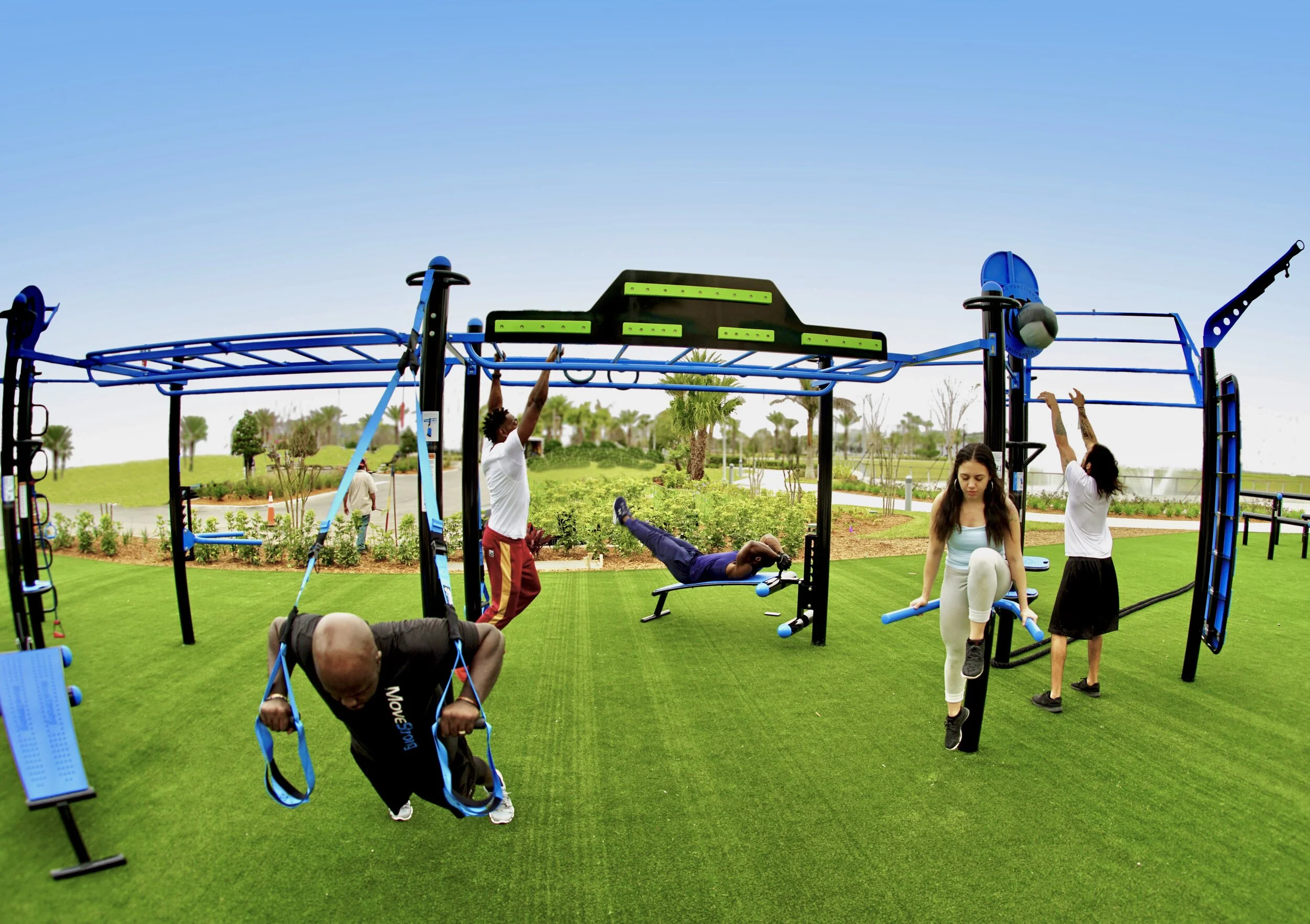
The current outdoor gym setups are being equipped with sophisticated calisthenics gear as opposed to simple pull-up bars. Monkey bars help build grip strength, shoulder, and upper body endurance based on dynamic hanging activities on a regular basis. Also, repeated movement on monkey bars produces amazing cardiovascular loads as well as a large amount of upper body strength growth. Thus, monkey bars can be used as a strength and cardiovascular training device in one small device.
Moreover, advanced callisthenics such as muscle-ups and levers are supported by climbing frames and vertical pole installations. These high-order skills are very strong and need a lot of strength, coordination, and practice but would give incredible outcomes. As a result, outdoor gym fitness equipment is now being tailored to meet the needs of the increasing number of calisthenic people who are demanding high levels of skills. Outdoor frames have gymnastics rings to perform push-ups, rows, dips, and high-level ring skills.
Parallettes and Ground-Level Calisthenics Equipment
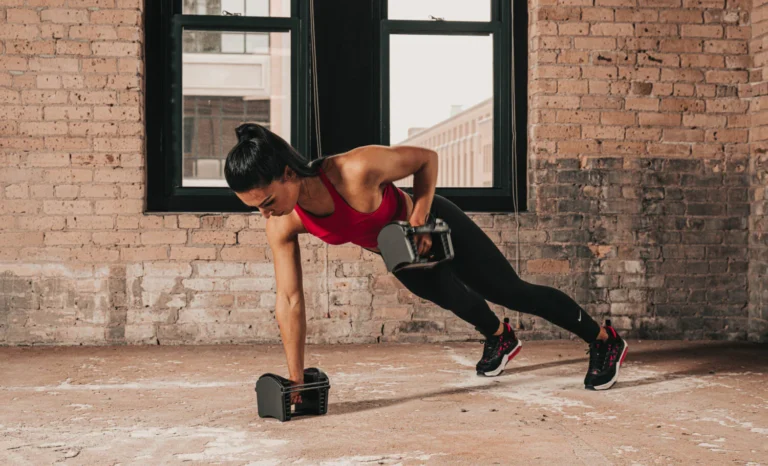
The parallettes are tiny parallel bars that are placed near the ground to train high-level skills in calisthenics. They facilitate L-sits, handstand push-up advancements, planche progressions, and other types of push-ups. Also, ground-level parallettes will minimize the fear of the intimidation factor by beginners trying their first calisthenics ability progressions. Thus, parallettes provide the transition between introductory training involving bodyweight and more advanced training based on the elements of gymnastics and the development of skills related to calisthenics.
Moreover, angled bars and multi-grip stations are also becoming common in outdoor gym fitness equipment, to provide variety in exercise. Various grip positions prevent repetitive stress and enable training around slight joint pain in a very effective way. Therefore, multi-grip stations support individual anatomical variations rendering the standard grip poses to be uncomfortable to some users. This basic upper body movement pattern is divided into different levels of difficulty by having push-up bars of different heights.
How to Train Effectively Using Outdoor Gym Fitness Equipment
Building a Complete Workout Using Available Equipment
Effective planning of a workout with the available outdoor gym fitness equipment only takes simple strategic planning. The first step is to determine what equipment is available to train the upper body, lower body, and cardiovascular fitness at your facility. Also, it is best to plan your workout routine in advance so that you can make the best use of your workout time. Thus, allocating two minutes before you start your session is dramatically better to plan your session and enhance the quality of your workouts and training results.
Moreover, the entire outdoor gym workout is supposed to cover pushing, pulling, lower body and cardiovascular training. Begin with upper body pulling exercises like pull-ups or rows and then push-ups or dips to gain pushing strength. Therefore, this type of upper body superset will have the best bang at training and will help regulate fatigue across complementary muscles. After working on the upper body, proceed to lower body exercises such as leg press, lunges, and step-ups in order to develop the whole body.
Progressive Overload Strategies for Outdoor Equipment Training
All significant gains in strength and fitness are propelled by progressive overload no matter what your training environment is. More repetitions, sets, or shorter rest times are all legitimate progressive overload measures when outdoors. Also, moving to more advanced types of exercises will provide the challenge required to sustain the development of strength. Hence, a training journal (where you record the number of repetitions, sets and variations of an exercise) allows you to progress in a systematic and purposeful way.
Moreover, outdoor gym fitness equipment tends to facilitate exercise developments in simpler to more challenging forms without any extra assistance. One example of a standard outdoor progression is a progression of incline push-ups to full push-ups and then to archer push-ups. As a result, the variety of equipment in contemporary outdoor gyms allows progressive training over years with no real boundaries being met.
Outdoor Gym Fitness Equipment Safety Considerations
Training Safely on Public Outdoor Equipment
Public outdoor gym fitness equipment should be used regularly and independently with safety awareness. It is always important to check equipment prior to use by examining loosely fitting bolts, scratches or structural stability problems. Moreover, wet outdoor gear gets immensely slippery and poses a great risk of falling during training. Thus, it is safe to alter or neglect some exercises when exercising equipment is wet after it rains.
Moreover, proper warming up before exercising in outdoor gym equipment helps to avoid muscle strains and joint injuries. The low temperatures enhance the stiffening of muscles that make injury much more probable when engaging in strenuous training. Therefore, eight to ten minutes of warming up in cold weather is especially essential to outdoor safety. Proper footwear, having sufficient grip and ankle support, will keep you safe in the outdoor gym.
Reporting Damaged Equipment and Community Responsibility
Outdoor gym fitness equipment should be maintained by the community as they are available to everyone to ensure that they are safe and functional. Any damaged, vandalized or faulty equipment must be reported to your local council or parks authority. Also, the vast majority of councils have online reporting systems, phone numbers, or QR codes at the installations of equipment. Thus, a sixty-second report on the equipment that has been damaged safeguards all the users of that community facility in the future.
Moreover, by being considerate and careful of outdoor gym equipment in the community, you will be ensuring that it is still accessible to your community. Cleaning up and wiping equipment after handling, not using too much force and obeying usage instructions on posters will increase the equipment life tremendously. Accordingly, the maintenance costs are minimized through responsible individual use, and outdoor gym facilities can be functioning longer. Cleaning up occasional community events around outdoor gym areas or taking part in them organizes and keeps training welcoming.
Sample Outdoor Gym Fitness Equipment Workout Plans
Beginner Outdoor Gym Workout: Three Days Per Week
Warm-Up Five Minutes: Light jogging, circulation of the arms, and swings of the legs and rotations of the hips to warm up all major joints.
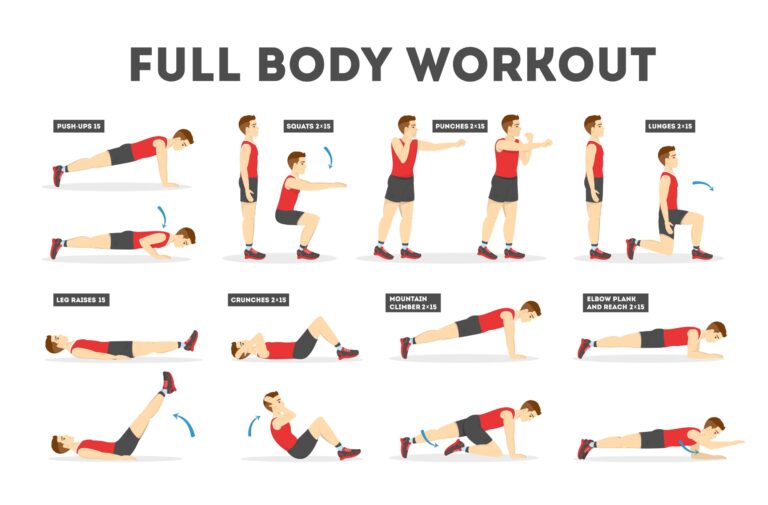
Upper Body 15 minutes: Incline push-ups 3 sets 10, inverted rows 3 sets 8, dips 3sets 8
Lower Body Fifteen Minutes: Leg press three-sets of twelve, step-ups three-sets of ten each leg, bodyweight squats three-sets of fifteen.
Cardiovascular Finish Ten Minutes: elliptical at moderate intensity air walker or outdoor walk or moderate elliptical ten continuous minutes.
Middle-level Outdoor Gym Workout: 4 days a week.
Warm-Up Five Minutes: Light cardio, joint mobility and dynamic stretching to prepare your body fully.
Upper Body Push and Pull Twenty Minutes: Pull-ups 4 sets 6, dips 4 sets 8, rows 3 sets 10, push-ups 3 sets 12.
Lower Body Circuit Twenty Minutes: Leg press four sets x10, Bulgarian split squats three sets x8, step-ups three sets x12.
HIIT Heart Ten Minutes to Finish Alternate Thirty Seconds Maximum Effort on Outdoor Bike with Thirty Seconds Full Recovery.
FAQs
Does outdoor gym fitness equipment work well with total beginners without any training experience?
Yes, the vast majority of outdoor gym setups have the gear and exercise options that can accommodate absolute complete beginners. Moreover, it is important to begin with bodyweight exercises and simpler exercise routines as the foundation of further evolution.
What is the quality of the outdoor gym fitness equipment compared to that of the commercial indoor gym equipment?
Contemporary outdoor gym equipment competes with the quality of commercial gyms using weatherproofing material and durable construction designs.
Do you really think you can develop anything substantial with just the outdoor gym fitness equipment without using any extra weights?
Yes, regular progressive bodyweight training on outdoor gym equipment is an effective way to develop impressive muscle and strength.
How many times do you need to visit an outdoor gym in order to achieve maximum fitness effects?
Outdoor gym sessions three to four times per week are the best form of training stimulus with sufficient rest between sessions. Moreover, rest days will help avoid overtraining and allow muscle recovery to promote true fitness gain.
Will outdoor gym fitness equipment be safe in cold and wet weather conditions in winter?
The majority of the contemporary outdoor gym equipment is tested and designed to be used throughout the year in any weather.
What should be the first thing beginners need to learn in training with outdoor gym fitness equipment?
Those who are beginners are advised to master the push-up, row and squat patterns before they can get into more complicated exercises.
Conclusion
Outdoor gym fitness equipment is one of the most democratic and effective investments in the field of the state of health today. Such free installations eliminate all the economic obstacles between community members and quality strength training options. Moreover, the outdoor gyms available today have all-inclusive training programs that cater to upper body, lower body and cardiovascular fitness at the same time.
Also, knowing how to work with outdoor gym fitness equipment will make a casual visit a productive training session. Use principles of progressive overload, train regularly three to four times a week, and monitor your progress. Outdoor gym fitness gear can benefit beginners who are constructing the first pull-up and advanced athletes who are seeking top-level calisthenics aptitude, alike. Today, you can have confidence, curiosity, and true commitment to your health and begin to play around with your nearest outdoor gym installation.