What Is Functional Strength Training? Benefits, Exercises, and Complete Beginner Guide
Functional strength training is the training that makes your body ready for real life. All the movements transfer to everyday life. Pick-ups, stair-climbing, grocery carrying – functional training simplifies all this and helps to keep it safer.
Conventional weightlifting exercises are single muscle workouts. A bicep curl works a single muscle, your bicep. The functional training is different. It conditions the movement patterns rather than separate muscles. There are several joints and muscles involved in each exercise.
What Is Functional Strength Training?
Understanding Functional Movements
Functional movements replicate natural patterns which your body applies daily. Squatting is a squat. A hinge is picking something up. To press a door is to push. Tugging a draw is a tug.
These movements include several muscles and joints in motion. A squat involves working quads, hamstring, glutes and the core at the same time. This is a reflection of how your body functions in real life. None of the actual movements involves only a single muscle.
Goals of Functional Strength Training
The main aim is development of real world strength which carries to day-to-day life. You desire to move better, feel better and be better at all times. Enhancement of balance, coordination and mobility are also essential objectives during training.
Functional training exercises the joints with the full range of motion. This helps you to be less stiff, better postured and able to feel more capable.
Who is a Good Candidate of Functional Training?
It is nearly beneficial to almost everyone irrespective of the fitness level. Novices develop a good base of quality of movements and simple strength. Sportsmen enhance performance, agility and resistance to injury.
Through regular functional exercise, seniors keep their independence and balance. Prolonged sitting is effectively reversed by office workers. Functional training is training that addresses each individual at their level of present.
Pros of Functional Strength Training.
Improves Everyday Strength
Everyday life becomes simpler with functional training. There is less struggle when carrying the grocery bags. It is also safer and more controllable when lifting boxes off the floor. Straining down is no longer something that can be done without troublesome frequency.
With regular training, your posture during day-to-day activities is enhanced significantly. The muscles of the core and back keep the spine in place during the day.
Improves Balance and Stability.
All exercises that require functionality work on your core and stabilizing muscles at the same time. When making movements, your body is always trying to keep your body in balance. This develops deep stabilizing muscles which the isolation exercises fail to develop at all.
Improved balance helps to minimize your risk of falls and daily accidents. This advantage is particularly important to the elderly and individuals with injuries.
Supports Athletic Performance
What is functional strength training? it develops the quality of movement required in athletic performance. There is improvement in faster reaction time, agility, and coordination, which are developed on a regular basis. Functionally trained athletes move more effectively in the sport.
Effective protection of joints in high-intensity movements is done by stronger stabilizing muscles. Improved movement mechanics decrease pressure on susceptible joints such as knees and hips.
Increases Mobility and Flexibility
Functional exercises use the full natural range of motion of your joints. This benefits slowly mobility, and decreases chronic stiffness with time. These sessions help people who spend most of their days at desks.
It is easier to reach overhead, to rotate your torso and lean forward. All you do is keep practicing until your body moves better in all directions.
Functional Strength vs Traditional Weight Training.
Main Differences
What is functional strength training? Conventional weight training concentrates on growing and developing individual muscles in isolation. A chest press works your chest. A leg curl works on your hamstrings. The desire is usually the size of the muscles, optimum strength or physical attractiveness.
Instead, functional training is concerned with movement patterns and real life application. It applies compound exercises, which involve the use of several muscles at the same time each time.
Advantages of Conventional Strength Training.
Maximum muscle size and crude strength are developed very well through traditional training. Heavy exercises combined with progressive overload lead to important muscle hypertrophy. This gives the visible muscle definition and size that many people are training to get.
There are several reasons as to why bodybuilders and powerlifters depend on traditional training. It builds optimal strength more effectively than functional training by itself.
Why a Compromise is the Best Idea.
The combination of the two approaches creates the most comprehensive physical development. You develop muscle size by conventional means. Functional training helps you to develop movement quality. Neither method can provide your body with all it needs in the long run.
A moderated program consists of heavy squats to build strength and single leg balance to build stability. Injury prevention and long term performance are both enhanced when you combine them both intelligently.
Optimal Strength Training Tested Exercises.
Functional Exercises on the Lower Body.
Squats
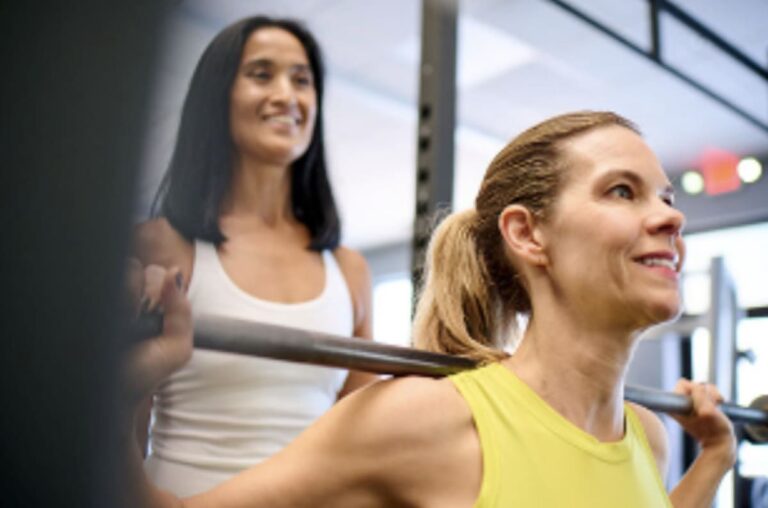
What is functional strength training? The simplest type of functional movement pattern that human beings carry out is squats. You squat whenever you sit or stand. Resistance training of this pattern develops gigantic lower body and core strength.
Keep the feet at shoulder-width and bend the hips towards the floor. Stand with your chest raised and push-off with heels. Do 3 rounds of 12 reps and increase the weight every week.
Lunges
Lunges enhance strength, balance and coordination of one leg at a time. Single leg stability is always required in real life: going up the staircases, passing over the stumbling blocks. Take a step forward and drop your hind knee to the floor in control. Do 3 x 10 reps on each leg.
Deadlifts
Deadlifts impart an effective lifting technique that is directly transferred to everyday life. The hinge movement is made each time you pick something up. Maintain the neutral position of the spine and push away the floor with the heels. Do 3 sets of 8 to 10 controlled movement reps.
Upper Body Functional Exercises
Push-Ups
Push-ups are exercises that exercise your triceps, shoulders, core, and chest. They directly imitate pushing actions that you do in everyday life. Novices will do knee push-ups and eventually move on to full push-ups. Always do 3 sets of 10-15 repetitions.
Rows
Rows condition the pulling motion pattern which is used by your body all the time. Pulling weight is needed in opening doors and dragging objects towards you on a day to day basis. Pull the dumbbell to your lower chest in a straight back. Do 3x sets of 10-12 reps per arm.
Overhead Press
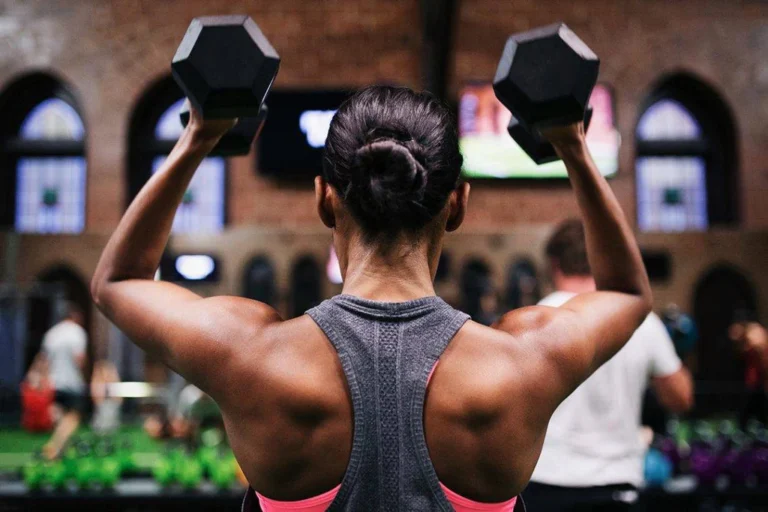
The overhead press develops shoulder stability to make the day-to-day reaching movements. High shelves demand just such power to place items on them. Press dumbbells from shoulder height straight overhead until arms fully extend. Do 3 x 10-12 reps with total control.
Stability and Core Exercises.
Planks
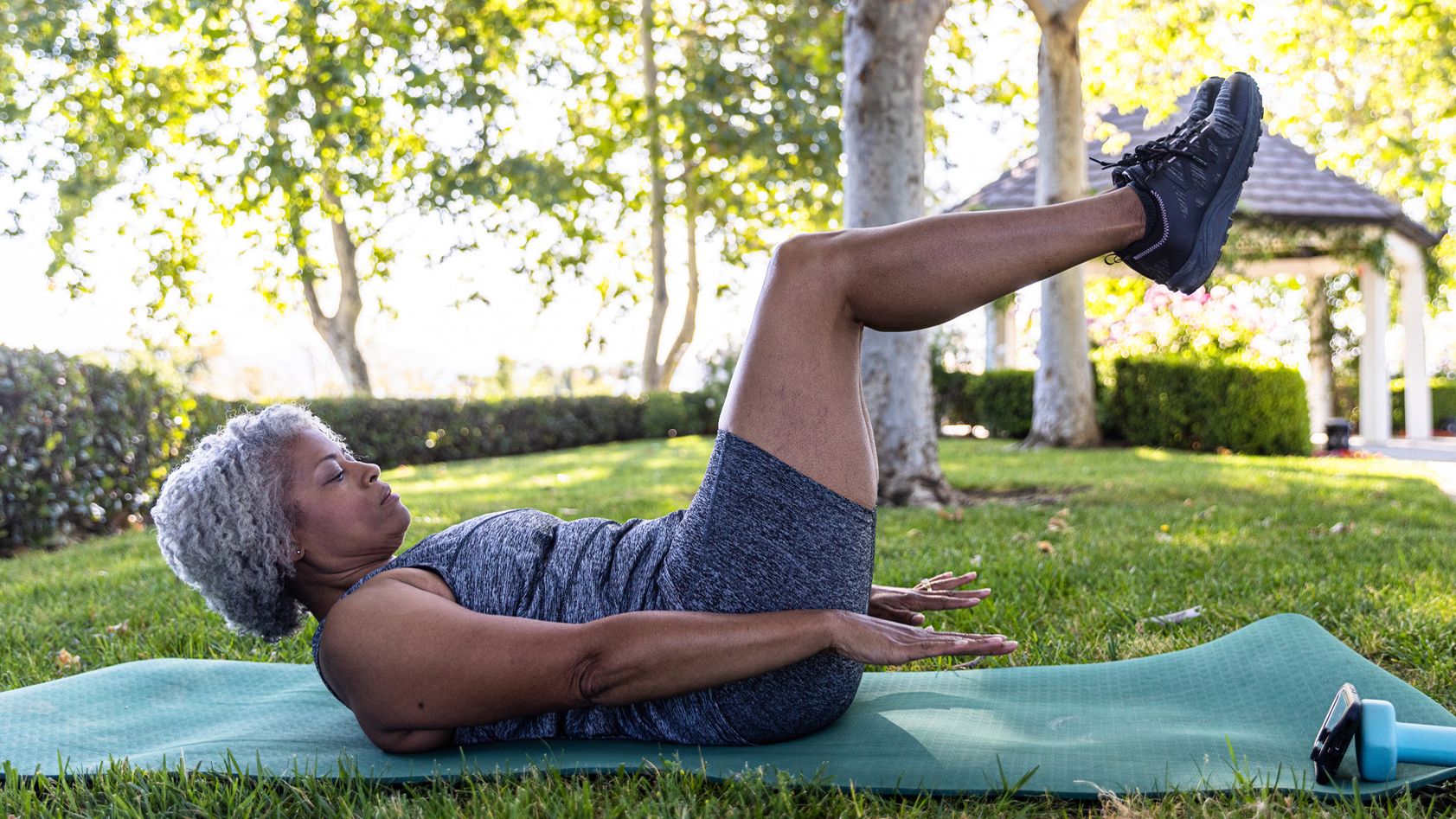
The planks develop deep inner core strength and stability of the spine in all movements. The basis of any functional movement patterns is a strong core. Keep your body straight back on your head. Do 3 rounds of 20 seconds to 60 seconds.
Farmer’s Carries
The carries of Farmer are one of the most practical types of exercise. Take two heavy dumbbells and walk a prescribed distance under control. This is a direct imitation of transporting groceries or luggage in the real world. Complete 3 sessions of 20-30 meters carries in one session.
Medicine Ball Exercises
Medicine ball exercises build up rotational strength and athletic ability together. Throwing and rotating with a medicine ball trains real life movement patterns. Begin with light and use explosive powerful movements each rep. Do 3 sets of 10 to 12 reps of each exercise.
Optimal Training Methodology of Functional Fitness.
Full Body Workouts
Practise various movement patterns each session every week. Integrate pushing, pulling, hinging, squatting and carrying. This results in the full functional development of fitness in the shortest time. Exercise 3 days a week, rest days in between.
Circuit Style Training
Circuit training is an exercise that offers strength and endurance in a single, time-saving form. Alternate between exercises with little rest between. This maintains your heart rate high and will burn even more calories in the process. It enhances body stamina and strength in unison each session.
Progressive Overload
You should increase the difficulty each week to ensure that you keep your body always changing. Progressively increase weight, reps, or sets without haste. Your body will level off without any new challenges and your body will be frozen in place. Document all sessions and work on something small each and every week.
Importance of Mobility and Warm-Up.
You should always warm up your joints and muscles prior to every workout. Dynamic stretching and movement preparation 5-10 minutes. Hip circles, leg swings and bodyweight squats are all effective. Effective warm-ups minimize the risk of injury and enhance performance during all the sessions.
Functional Strength Training to various goals.
Weight Loss
What is functional strength training? It is more caloric burning as compared to isolation-based training. Compound movements involve the use of more muscle mass and consume more energy since they are full body. Circuit-style workouts increase both your heart rate and metabolism. Use a moderate calorie deficit coupled with functional training to lose fat sustainably.
Muscle Building
Functional training develops lean muscle when used in combination with progressive overload on a regular basis. Include functional movements in addition to traditional strength exercises on a regular (weekly) basis. Protein-consumption should be sufficient and sleep should be taken to aid muscle repair. This combination develops the size of the muscles and the quality of movements at the same time.
Sports Performance
Explosive power, agility, and reaction time are built up directly through functional training. Functional exercises enable athletes to enhance coordination and multi-directional motion. Add jumping, rotating work and single leg exercises to get maximum carryover in sports. The majority of elite sports programs incorporate functional training aspects over the whole year.
Healthy Aging
Functional training enables the elderly to be more independent and physically able. It trains directly the movements that are required to live safely in everyday life. Balance activities, carries and squatting patterns are particularly useful to older adults. Frequent functional training can significantly decrease the risk of falls and preserve mobility in old age.
FAQs
Can functional strength training be good in beginners?
Yes. It teaches basic movement patterns and instills a solid physical base, right at the beginning of your fitness path.
Does functional training pack on muscle?
Yes. Combined with progressive overload and sufficient daily protein consumption, functional training is an effective way to build lean muscle.
Will I require equipment in functional workouts?
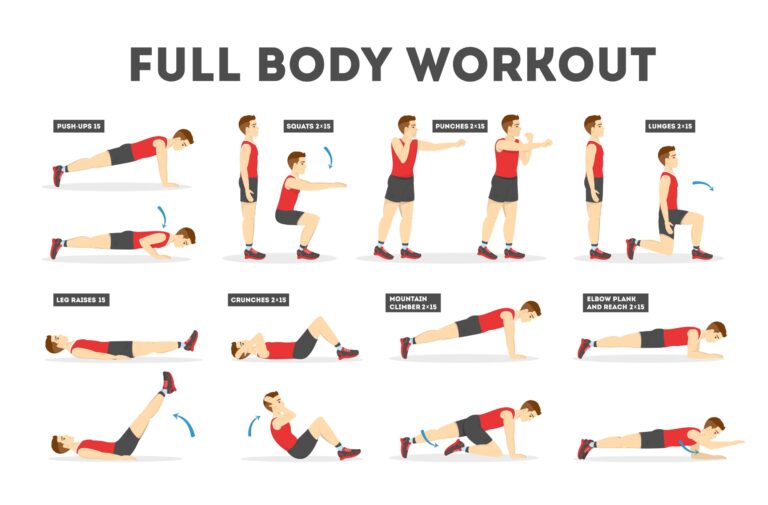
No. Push-ups, squats, lunges, and planks can all be performed with no equipment. At home, body weight alone provides great functional training results.
Does functional training outdo gym training?
No one of them is best on its own. Functional training with traditional gym training results in the most complete physical development possible in the long run.
What is the duration of functional workouts?
The majority of practical exercises take 30 to 60 minutes. Movement and quality are much more important than the length of the session to generate the results.
Is it possible to train functional strength in the elderly?
Absolutely. It is well balanced, mobile and independent that directly contributes to safe and confident daily living of older adults at all times.
Which equipment contributes to functional training the most?
The most helpful tools are dumbbells, resistance bands, kettlebells, and medicine balls. They provide resistance without the need to have costly or complicated gym equipment.
Conclusion
What is functional strength training? It is the one that makes your body ready for the demands of everyday life. It develops power, balance, movement and coordination through natural movement patterns. Each exercise is directly transferred to something you do daily.
The long term benefits brought about by functional training will be created through consistency. A series of sessions, three times a week, in several months, results in impressive changes in your movement and sensation. Each session is enhanced by mobility work, proper nutrition and adequate recovery.
Functional and traditional strength training is the best way to get the most results. You are a conventional muscle-builder. Functional training develops the quality of movement. Begin today, exercise regularly and your body will certainly pay back.